How the RERA Act Transformed Indian Real Estate Forever

Before 2016, buying a home in India often involved uncertainty. Delayed project deliveries, misleading advertisements, hidden costs, and limited legal protection left many homebuyers struggling to safeguard their investments. Developers operated with minimal regulation, making the real estate market less transparent and increasing risks for both buyers and investors.
The introduction of the Real Estate (Regulation and Development) Act, 2016 (RERA) marked a turning point for India’s property sector. Today, understanding how real estate has changed after the RERA Act is essential for anyone planning to buy, sell, or invest in property.
This guide explains how RERA transformed the industry, strengthened buyer confidence, improved transparency, and reshaped India’s real estate landscape.
What Is the RERA Act and Why Was It Introduced?
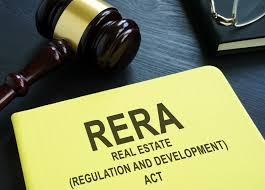
The Real Estate (Regulation and Development) Act, commonly known as RERA, was enacted to regulate the real estate sector and protect homebuyers.
The Act came into force in 2016, requiring every state and union territory (except Jammu & Kashmir initially) to establish its own Real Estate Regulatory Authority.
The key objectives were:
- Increase transparency
- Protect homebuyers
- Improve project accountability
- Ensure timely delivery
- Standardize business practices
- Build investor confidence
RERA has become one of the most significant reforms in Indian real estate over the past decade.
Major Changes in Indian Real Estate After RERA Act
1. Greater Transparency
One of the biggest changes has been transparency.
Developers must now disclose:
- Project approvals
- Land ownership details
- Construction progress
- Completion timeline
- Layout plans
- Financial details
All this information is available on state RERA portals, allowing buyers to make informed decisions.
2. Mandatory Project Registration
Projects above the prescribed size cannot be marketed without RERA registration.
Every registered project receives:
- Registration number
- Approval details
- Project completion timeline
- Developer information
This has significantly reduced fraudulent projects.
3. Timely Project Delivery
Before RERA Act, delays of 3–5 years were common.
Today:
- Developers are legally bound by delivery timelines.
- Buyers are entitled to compensation for unjustified delays.
- Authorities can impose penalties on defaulting developers.
This has encouraged better project planning and execution.
4. Protection of Homebuyers
Perhaps the biggest achievement of RERA is buyer protection.
Homebuyers now enjoy rights such as:
- Accurate project information
- Compensation for delays
- Protection against misleading advertisements
- Timely possession
- Defect liability for five years
- Access to dispute resolution
The balance of power has shifted significantly toward consumers.
5. Financial Discipline Through Escrow Accounts
Developers must deposit 70% of project funds collected from buyers into a dedicated escrow account.
These funds can only be used for:
- Construction
- Land costs
This prevents diversion of money to unrelated projects, a common issue before RERA.
6. Standardization of Carpet Area
Earlier, builders used terms like:
- Super Built-up Area
- Saleable Area
- Loading Area
RERA introduced a standardized definition of Carpet Area, allowing buyers to compare properties more fairly.
Benefits of RERA Act for Homebuyers
Better Legal Protection
Buyers now have a legal authority to approach for complaints instead of lengthy court proceedings.
Reduced Fraud
Fake launches and misleading advertisements have significantly reduced.
Transparent Pricing
Builders cannot arbitrarily change layouts or pricing without buyer consent.
Faster Complaint Resolution
Dedicated RERA authorities resolve disputes more efficiently than traditional litigation.
Higher Buyer Confidence
Consumers now feel more secure investing in under-construction projects.
Benefits for Genuine Developers
RERA is not only beneficial for buyers.
It also rewards credible developers by:
- Improving brand trust
- Attracting institutional investment
- Increasing customer confidence
- Creating fair competition
- Eliminating non-serious players
Today, reputed developers enjoy stronger market credibility because of compliance.
Challenges After RERA
Despite its success, some challenges remain.
State-Level Differences
Implementation varies across states.
Some RERA authorities are more efficient than others.
Compliance Costs
Developers incur additional costs related to:
- Registration
- Documentation
- Reporting
- Audits
While these costs improve governance, they can affect smaller developers.
Delayed Approvals
Government approval delays can still impact project completion, even when developers comply with RERA.
Tips for Buying Property After RERA
1. Verify RERA Registration
Always check whether the project is registered with the relevant state RERA authority.
2. Review Project Documents
Read:
- Layout plans
- Completion schedule
- Legal approvals
- Builder profile
3. Compare Carpet Area
Never compare only the sale price.
Compare:
- Carpet area
- Price per square foot
- Amenities
- Location
4. Research the Developer
Review:
- Past projects
- Delivery record
- Customer reviews
- Financial stability
5. Understand Your Rights
Know the provisions related to:
- Refunds
- Compensation
- Possession
- Structural defects
Indian Market Perspective
Nearly a decade after its implementation, RERA has become an integral part of India’s real estate ecosystem. Major markets such as Delhi-NCR, Mumbai, Pune, Bengaluru, Hyderabad, Chennai, Ahmedabad, and Kolkata have witnessed improved transparency and better compliance among developers.
The Act has also encouraged greater participation from institutional investors, including REITs and private equity funds, who prefer regulated and compliant projects. Homebuyers today are more informed, often verifying project registration and approvals before making a purchase.
The growing emphasis on digital RERA portals has made access to project information easier, strengthening confidence in the housing sector. As India continues to urbanize and demand for quality housing rises, RERA is expected to play an even greater role in promoting responsible development, improving governance, and ensuring long-term sustainability in the real estate market.
Conclusion
The RERA Act has fundamentally transformed India’s real estate industry by making it more transparent, accountable, and consumer-centric. Buyers now enjoy stronger legal protections, developers operate within a more regulated framework, and the overall market has become more trustworthy for both domestic and international investors.
While implementation challenges remain in some states, RERA has significantly improved confidence in the sector and laid the foundation for sustainable growth. Whether you are purchasing your first home or expanding your investment portfolio, understanding how real estate has changed after the RERA Act can help you make informed decisions.
Stay updated with the latest real estate news, legal updates, and market insights on RealtyNMore.