When Design Becomes the Destination: Omara’s Architecture Frames SHIVAN & NARRESH’s Latest Collection
Delhi NCR, July 23, 2026: There are spaces that simply house life, and there are spaces that shape it. At Omara by Trehan IRIS, architecture was envisioned as an experience, one that unfolds through light, landscape, proportion, and materiality. It is perhaps this quiet design language that recently found resonance in SHIVAN & NARRESH’s Henri Matisse-inspired Safari/Resort runway presentation, where the aesthetic became an integral part of the visual narrative, Omara by Trehan IRIS said in a press release.
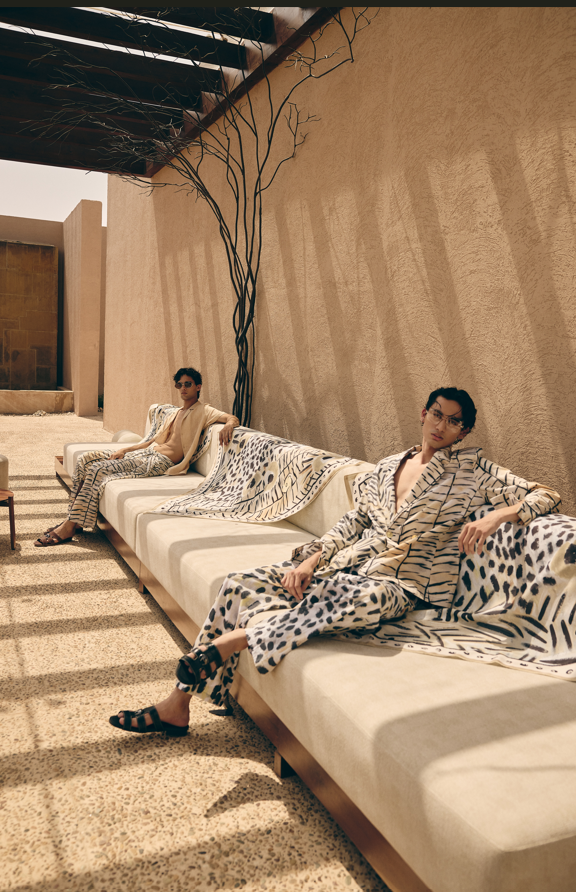
Rather than serving as a simple backdrop, Omara’s architecture became an extension of the fashion story itself. As the Matisse Series reimagined the Safari Holiday Lifestyle through cinematic horizons, expressive prints, and immersive storytelling, Omara’s restrained material palette, framed vistas, rhythmic colonnades, landscaped courtyards, and seamless transitions between built and natural environments echoed the collection’s effortless elegance and spirit of exploration.
Across contemporary fashion, the relationship between architecture and clothing has become increasingly fluid. Designers are moving away from conventional studio environments, choosing spaces with a distinct architectural identity that contribute to the overall mood and story of a collection. This philosophy found natural expression during the SHIVAN & NARRESH runway at Omara, where the physical structure became an active participant in the presentation rather than a passive setting.

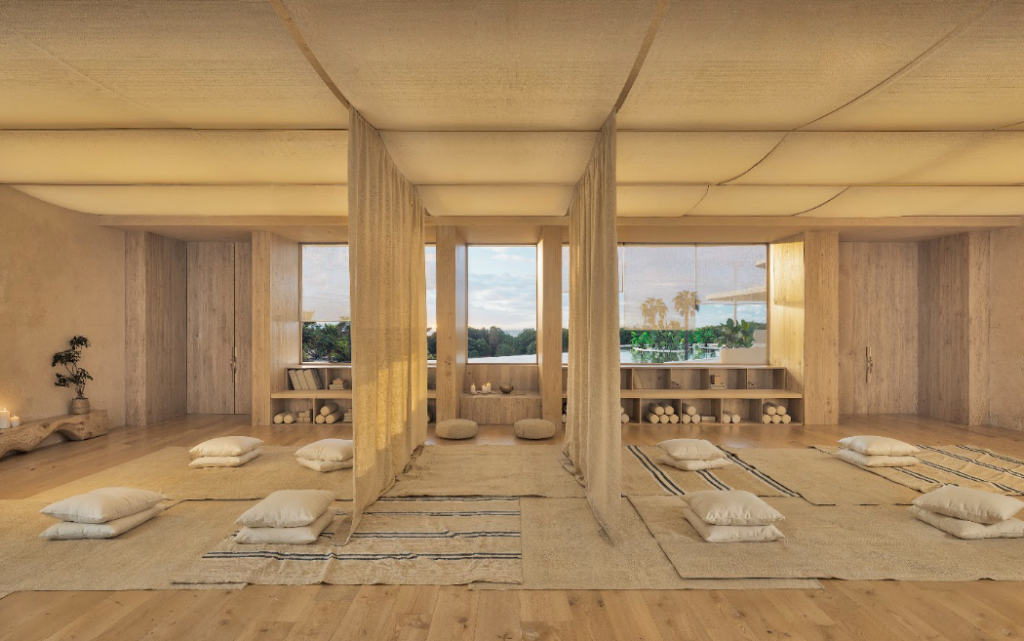
Inspired by the science of longevity and conceived as a sanctuary overlooking the Aravalli landscape, Omara embraces biophilic principles, natural materials, and immersive spatial planning to create an environment that encourages slower, more mindful living. Every walkway, courtyard, and landscape has been designed to frame moments of discovery while allowing nature to remain central to the experience, qualities that seamlessly complemented the artistic and nature-inspired world of the Matisse Safari/Resort collection.
Commenting on the project, Abhishek Trehan, Executive Director at Trehan IRIS, said: “We have always believed that good architecture should be experienced rather than simply observed. At Omara, every space has been designed to create a sense of calm, connection and timelessness. Seeing the development become part of a fashion narrative reinforces our belief that thoughtfully designed environments have the ability to inspire creativity across disciplines.”

Aman Trehan, Executive Director at Trehan IRIS, added: “Luxury today is increasingly defined by experiences that evoke emotion and leave a lasting impression. We see Omara not just as a residential development, but as a destination where architecture, wellness and design come together to inspire. It is encouraging to see creative industries engage with spaces that celebrate thoughtful design, reinforcing the growing dialogue between architecture, fashion and culture.”
Shivan Bhatiya, Founder and Head Designer, and Narresh Kukreja, Founder and Creative Director at SHIVAN & NARRESH, noted: “For us, Omara was never simply a location; it became an extension of the collection itself. Its architecture, landscape and quiet sense of rhythm allowed the Matisse narrative to unfold organically, where every frame felt immersive, intentional and deeply connected to the spirit of the Safari/Resort runway.”
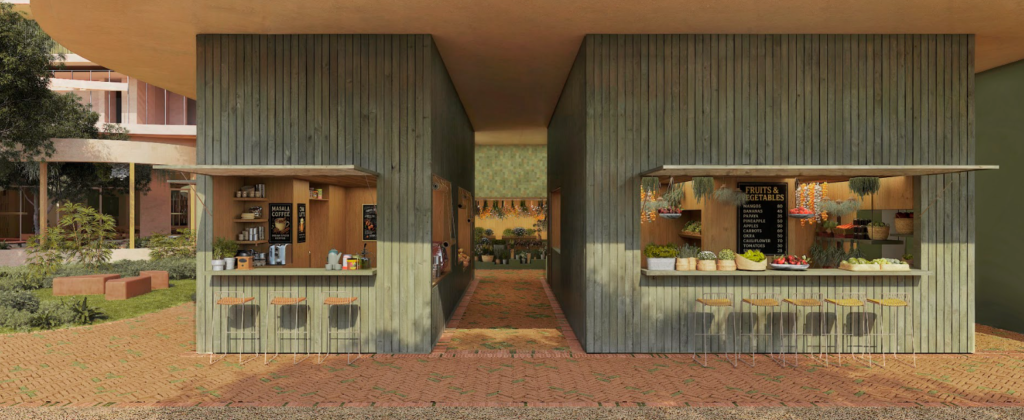
The collaboration reflects a broader cultural shift where architecture is increasingly becoming part of creative expression. Much like fashion, architecture is ultimately about emotion, proportion, and identity. The Matisse runway at Omara exemplified this evolving dialogue where the built environment enhanced the visual storytelling while remaining true to its own architectural integrity.
For Omara, this milestone is less about a single campaign and more about a shared appreciation for design. It highlights how architecture can transcend its purely functional purpose to become part of a larger creative conversation, where spaces are not merely inhabited but experienced, interpreted, and remembered.