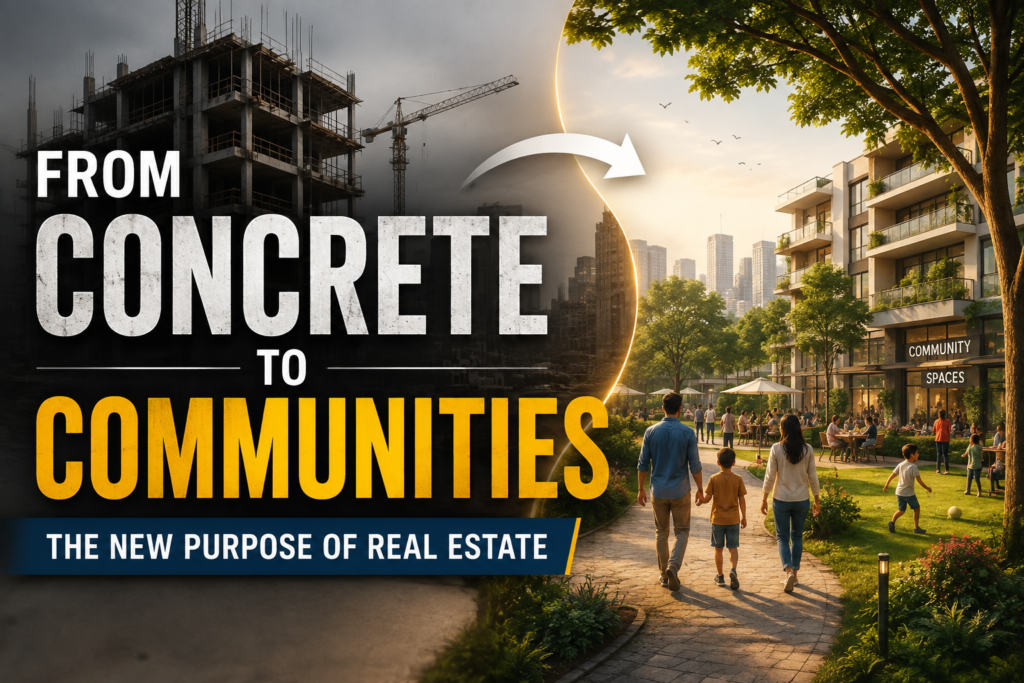
From Concrete to Communities: The New Purpose of Real Estate
By Abhay Jindal, Managing Director, Homeland Group
Real estate is no longer just in the business of creating buildings—it is in the business of shaping how people live. As cities evolve and aspirations grow, the definition of a successful development has expanded far beyond construction quality, location or sales figures. Today, its true value lies in its ability to foster community, promote well-being and create environments where people can live, work and thrive. This shift marks a significant evolution in the role of developers, from builders of physical infrastructure to creators of vibrant, future-ready communities.
India’s real estate sector is undergoing a significant transformation. According to industry estimates, the sector currently contributes around 7–8 per cent to the country’s GDP and is expected to play an even larger role in India’s economic growth in the coming years. Yet, the industry’s evolution is no longer being driven by scale alone. It is being shaped by changing aspirations, rapid urbanisation and a growing emphasis on holistic living.
Today’s homebuyers are looking beyond four walls. A home is no longer viewed merely as a physical asset or a financial investment; it has become the centre of everyday life. Buyers are increasingly seeking neighbourhoods that offer convenience, wellness, security, green spaces and opportunities for meaningful social interaction. The focus has shifted from owning a property to becoming part of a well-planned community.
This change in mindset became more pronounced after the pandemic, when homes transformed into workplaces, classrooms and recreational spaces. It reinforced the importance of spacious layouts, natural light, open areas and access to essential services within the neighbourhood. More importantly, it highlighted how thoughtfully designed communities contribute to both physical and emotional well-being.
As a result, the role of developers has evolved considerably. We are no longer just building structures; we are shaping environments that influence how people live, work and connect. Every project has the potential to contribute to the social and economic fabric of a city, making long-term planning and responsible development more important than ever.
One of the defining trends in modern real estate is the emergence of integrated developments. Residential spaces are increasingly being planned alongside retail, leisure, wellness and commercial facilities, creating self-sustained neighbourhoods where daily needs are easily accessible. Such developments encourage walkability, reduce travel time and foster stronger community engagement, making urban living more convenient and balanced.
Open spaces have also become an essential element of urban planning. Parks, landscaped gardens, walking trails and community areas are no longer considered premium amenities—they are fundamental to healthy living. Well-designed public spaces encourage interaction, promote active lifestyles and strengthen the sense of belonging among residents.
Sustainability is another pillar shaping the future of real estate. Environmentally responsible construction, energy-efficient buildings, rainwater harvesting, water recycling and green landscaping are increasingly becoming standard features rather than optional additions. As cities continue to expand, sustainable development will play a vital role in ensuring long-term environmental resilience while enhancing the quality of urban life.
Technology is equally transforming the way communities function. Smart security systems, digital access management, intelligent infrastructure and efficient facility management have become integral to modern developments. When thoughtfully implemented, these innovations enhance convenience, improve safety and simplify everyday living without compromising the human experience.
This evolution presents a significant opportunity for emerging markets such as Punjab and the Tricity region. Improved infrastructure, better connectivity and rising aspirations have created demand for developments that combine quality construction with lifestyle, wellness and community living. Buyers today are seeking destinations that reflect their aspirations and support a more fulfilling way of life.
At Homeland Group, we believe real estate should create value beyond the built environment. Every development should contribute positively to the urban landscape while encouraging interaction, inclusivity and long-term sustainability. Building communities is not simply about creating physical infrastructure; it is about creating places where people can grow, connect and thrive.
As India’s cities continue to evolve, the success of real estate will increasingly be measured not by the number of buildings constructed but by the quality of communities created. The future belongs to developments that balance infrastructure with sustainability, innovation with inclusivity, and commercial success with social responsibility.
Ultimately, the next chapter of Indian real estate will not be defined by concrete alone. It will be defined by our ability to create communities that enrich lives, strengthen social bonds and contribute to more liveable, resilient and future-ready cities.
Disclaimer: Views expressed in this article are those of the author, and not necessarily of Realty&More.