Senior Living and Care Must Evolve Together to Support India’s Ageing Population
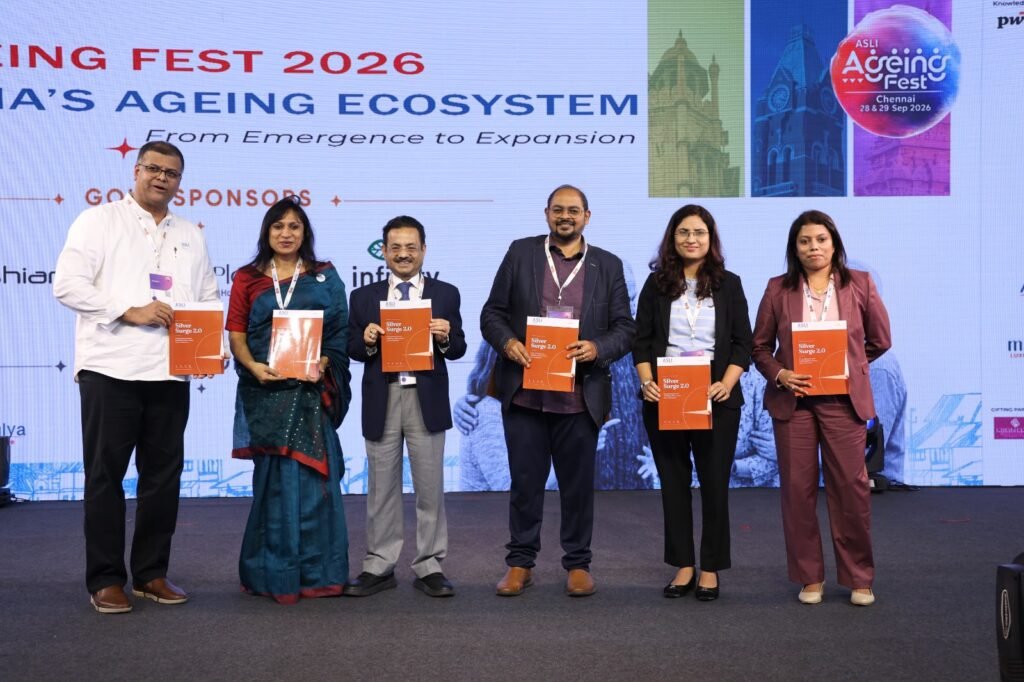
Chennai, September 30, 2026: The Association of Senior Living India, with support from PwC India, has released Silver Surge 2.0 – From Places to Care: Building India’s Senior Care Continuum during the 7th ASLI Ageing Fest 2026. The report emphasizes the necessity of developing senior living and care as interconnected components of India’s evolving ageing infrastructure, Association of Senior Living India said in a press release.
India’s 60-plus population stands at an estimated 166.9 million in 2026 and is projected to reach approximately 347 million by 2050. Despite this demographic growth, organized senior living penetration remains at 1.5%, with assisted living accounting for less than 10% of organized stock compared to 24–29% in mature markets. Additionally, an estimated 8.8 million Indians live with dementia, while 12.2% of seniors require supportive or palliative care.
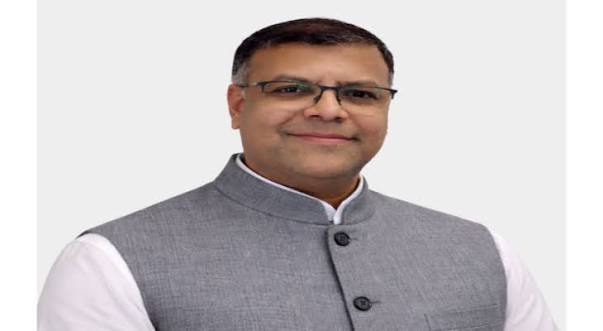
Highlighting the structural gap, Rajagopal G, Chairman, Association of Senior Living India (ASLI), said, “A home is a place. Care is a promise. India has over 166 million seniors today, yet organised senior living penetration is barely 1.5%. Even more striking is the care gap. We have only few thousands of organised assisted-living beds comprising less than 10% of organised senior living stock against 24–29% in mature markets while an estimated 8.8 million Indians are living with dementia and 12.2% of seniors have supportive or palliative care needs. These numbers tell us that the opportunity is not merely about building more senior homes, but about creating an integrated ecosystem where independent living, assisted living, rehabilitation, memory care and home care are available as needs evolve. Living and care must become inseparable parts of India’s ageing conversation.”
He added, “Families are looking for more than a home for their parents. They want the assurance of independence, dignity and appropriate care when needed. With 75% of surveyed providers identifying workforce training as a priority, the next phase of expansion must bring together skilled caregivers, sustainable financing and measurable quality standards. At ASLI, our focus is on enabling this transition through coordinated action by government, investors, operators and healthcare providers. The true measure of progress will not simply be how many homes or care beds we build, but how well we enable India’s seniors to live and age.”
The report outlines six essential care layers—wellness and chronic care, home care, assisted living, rehabilitation care, memory care, and palliative care. To address infrastructure and workforce priorities, the publication introduces the S.C.A.L.E. framework, recommending 14 actions across policy, capital, continuum care, labor, and technology.