India’s Infrastructure Challenge Shifts From Raising Capital to Making Projects Investable: Study
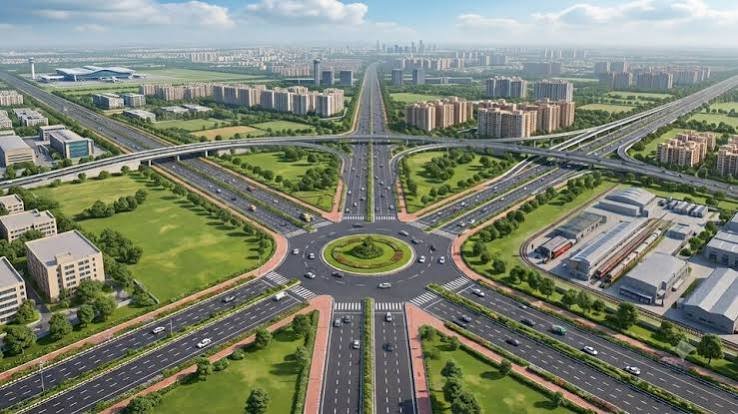
New Delhi, October 6, 2026: Infrastructure leaders across the Asia Pacific region are signaling a fundamental shift in how infrastructure will be financed, delivered, and operated over the next decade, according to a press release on Deloitte’s Future of Infrastructure Survey 2026. The study reveals that India’s key challenge is moving beyond mobilizing capital toward making projects investable and execution-ready.
According to the report, 42 percent of Indian respondents identified complex policies, regulations, and permitting processes as major barriers, while 38 percent cited a lack of private-sector participation and budgetary constraints. To overcome these hurdles, 71 percent anticipate growth in vendor and supplier financing models, while 62 percent expect increased development bank funding. India’s Hybrid Annuity Model (HAM), which covers 40 percent of construction costs through public funds, serves as a key example of effective risk-sharing to attract private capital.
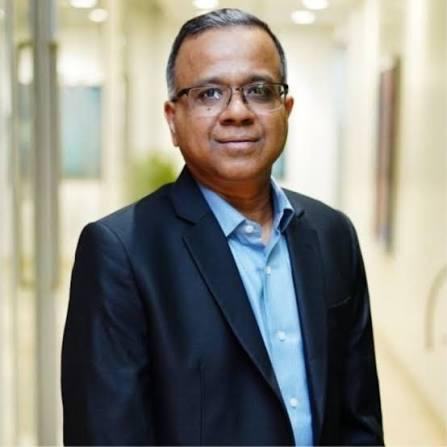
Commenting on the shift, Manish Aggarwal, National Leader – Infrastructure & Capital Projects, Deloitte South Asia, said, “India’s infrastructure opportunity is multi-decadal, but seasoned investors view it as two distinct tranches separated by risk. The public sector has helped reduce risk and attract private investment in greenfield sectors such as renewables and highways. However, similar mechanisms are yet to emerge at scale in urban infrastructure. At the same time, private capital is increasingly participating in brownfield assets through asset recycling, M&A, InvITs and listings. The monetisation of de-risked assets is a sign of the Indian market’s growing maturity, helping recycle capital into new infrastructure development. M&A is playing a key role in this process, connecting brownfield monetisation with new greenfield development and helping sustain India’s investment cycle. As deal sizes expand, supported by deeper capital pools and relaxation of acquisition financing norms, investors will need to focus on unlocking embedded value and generating alpha post-acquisition.”
The survey also highlighted digital transformation, with 91 percent of Indian respondents expecting technologies like GenAI, digital twins, and predictive analytics to significantly impact operations.
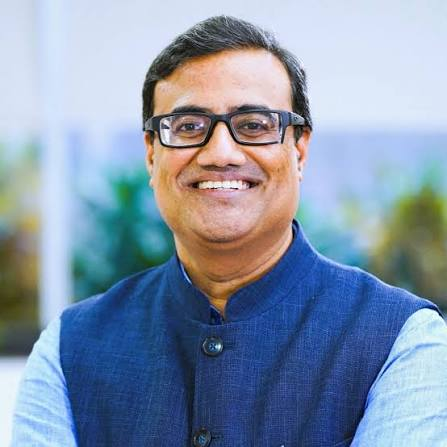
NSN Murty, Government & Public Services Consulting Leader, Deloitte South Asia, said, “Technology is becoming the connective tissue across infrastructure systems. Indian leaders are moving beyond viewing AI as a standalone technology and are beginning to see it as an operating layer for infrastructure planning, financing, delivery and operations. Governments will need to combine AI, digital twins, cybersecurity and real-time analytics to improve project delivery, strengthen resilience and make more informed investment decisions. The next generation of infrastructure will be defined by physical assets and the intelligence embedded within them.”