Steamhouse India Signs MoU With Haryana Government To Explore Rs 500 Crore Industrial Infrastructure Investment

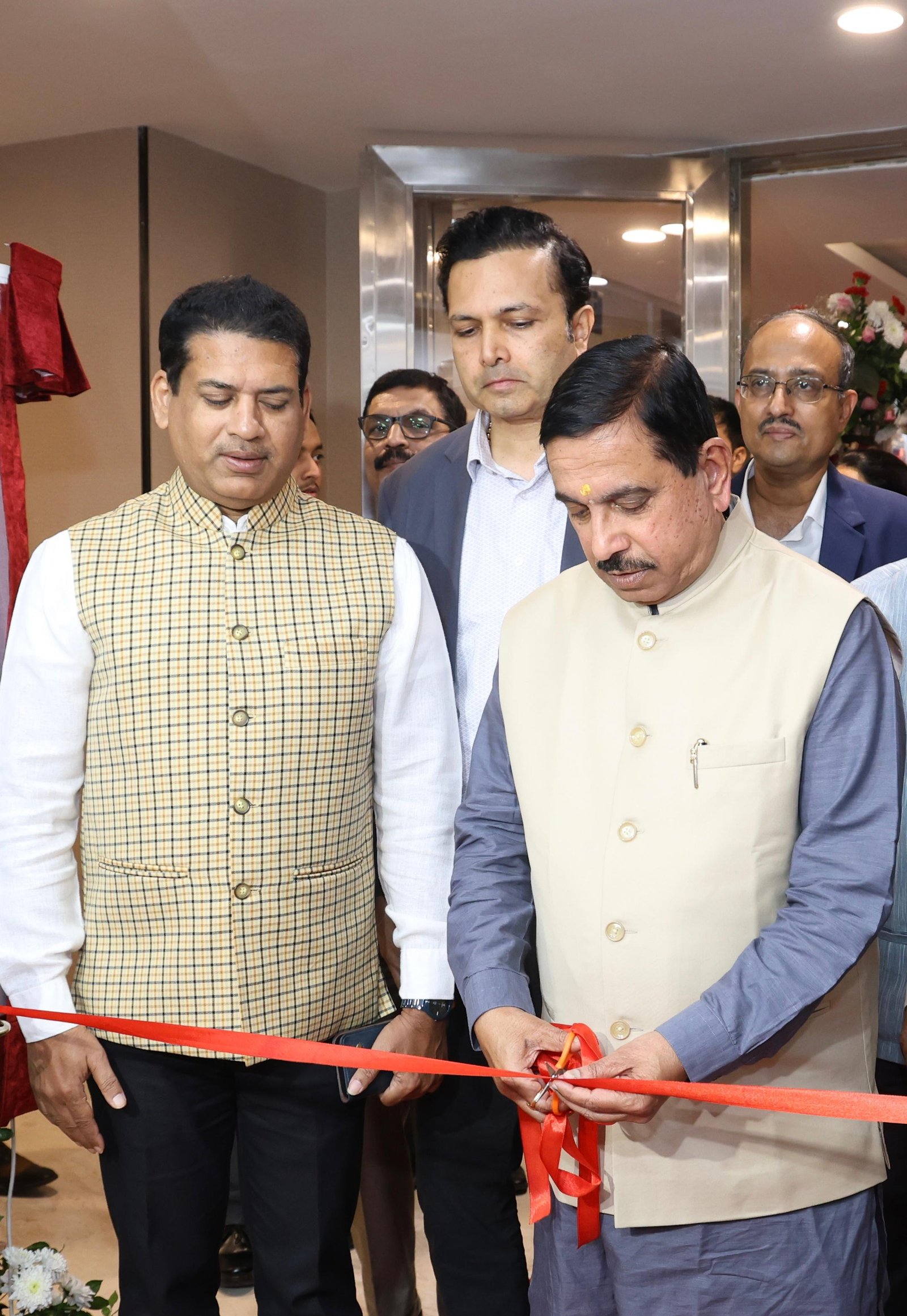
Surat, October 30, 2026: Steamhouse India Limited has signed a Memorandum of Understanding (MoU) with the Haryana Enterprises Promotion Centre (HEPC), Government of Haryana, to explore industrial infrastructure opportunities involving a proposed investment of Rs 500 crore in the state, according to a press release. The MoU provides a framework for cooperation and government facilitation to evaluate potential opportunities, including community boiler infrastructure for industrial clusters.
The proposed collaboration comes amid continuing air-quality concerns across Delhi-NCR, where industrial emissions remain an important consideration. Haryana’s manufacturing centres, including Panipat and Sonipat, offer potential settings to evaluate cluster-level steam infrastructure. Community boilers have also featured in regulatory discussions on industrial emission management, including guidelines from the Central Pollution Control Board aimed at promoting such systems in small-scale industrial clusters.

Commenting on the development, Vishal S. Budhia, Chairman & Managing Director, Steamhouse India Limited, said, “Community boiler infrastructure offers an opportunity to rethink how steam-intensive industries meet their requirements while addressing the growing importance of environmental compliance. Haryana’s industrial clusters warrant closer examination of centralized steam generation, supported by appropriate pollution-control systems and efficient distribution networks. The MoU with HEPC provides a framework to explore these opportunities, subject to feasibility assessments and applicable regulatory approvals.”
The MoU is exploratory in nature and does not constitute a project award or a commitment to implement a specific facility. Any subsequent development will depend on detailed technical and commercial feasibility assessments, industrial demand, environmental requirements, and statutory approvals.
Community boiler systems generate steam at a centralized facility and distribute it to multiple industrial consumers through a dedicated pipeline network. Compared to individual boiler installations, this model facilitates centralized pollution-control measures, coordinated fuel management, and monitored emissions, subject to technology selection and operational compliance.