The New Blueprint for Coastal Real Estate: Balancing Development Aspirations with Goa’s Natural Landscape and Local Character

By Sheeshram Yadav, Managing Director, Yugen Infra
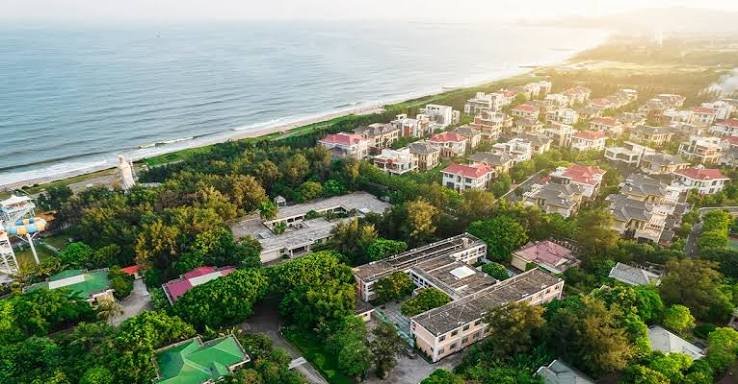
Goa has seen a lot of construction over the last fifteen years. Villages such as Anjuna, Assagao and Siolim, once known for their quiet roads, old houses and open spaces, have changed considerably. More apartments and villas have come up as people from Mumbai, Delhi and Bengaluru look to buy a home in the state.
However, this growth has also put pressure on local resources. Trees have been cut, hills levelled and open land replaced with concrete buildings. Water shortages are becoming a concern in several areas, village roads struggle with increasing traffic, and heavy monsoon showers often cause flooding.
Buyers, too, are looking beyond the appearance of a property. They want to know whether there will be water in summer, whether the house has the necessary approvals and how well it will hold up against heavy rain and salty coastal air. Developers need to consider these concerns while planning new projects. A property in Goa should be comfortable to live in throughout the year, not just during a short holiday.
Plan the House Around the Land
One common mistake in construction is changing the natural shape of a plot to make building easier. Hills are cut, trees removed and the ground levelled to accommodate more structures. While this may simplify construction, it can cause problems during the monsoon. Disturbing the natural slope affects the way rainwater flows and can lead to soil erosion and waterlogging.
It would be wise to understand the land first before designing. Houses that are built on sloped land could be built at various heights without digging up the whole hill. It will involve some more thinking when designing, but it helps avoid unnecessary digging and maintain the natural state of the land.
Existing mango, banyan and coconut trees should also be preserved wherever possible. They provide natural shade and help retain the green surroundings that make Goa attractive. A mature tree cannot simply be replaced by planting a few saplings after construction. Its loss is felt for years.
The same care is needed around coastal areas. Mangroves, sand dunes and khazan lands are important parts of Goa’s natural environment. The Khazan system is traditional coastal agriculture fields that are surrounded by embankments and gates in order to control the flow of water in these fields. The construction activity in such areas needs to be conducted in accordance with environmental rules and CRZ norms.
Build for the Monsoon, Not Just for Appearances
Rain and salty coastal air are capable of damaging buildings if not adequately addressed in the design. It is necessary to ensure that flat roofs have drainage facilities to avoid accumulation of rainwater causing dampness and leakage. Large windows may be beautiful but can increase room temperature, thereby increasing dependence on air conditioners.
There are lessons to learn from traditional Goan houses. Their sloping roofs made of Mangalore tiles help rainwater flow away. The verandah, which is known as balcao in Goa, provides shade and protection for the house against sunlight and rain. It also allows one to enjoy outdoor space protected from the elements.
Laterite stones are another material that is worth using. They have been used in construction in Goa for ages; in addition, they keep the interior of the house cool. Another material that may be considered is lime plaster, which allows walls to breathe and controls moisture.
When selecting building materials, maintenance should be taken into consideration as well. A house by the sea is prone to moisture and sea spray, which can damage metalwork, exterior finishes and wood surfaces. Selecting appropriate finishes and undertaking maintenance work will prevent small problems from turning into major repairs.
These design elements can be incorporated into houses today without mimicking traditional architecture. What is necessary is selecting designs and materials appropriate for the climate.
Make Water and Power Part of the Plan
Large residential projects could put further strain on the water supply in the village, especially since groundwater may be scarce during the summer. It is hence recommended that rainwater harvesting be a part of the building project. The water from rooftops could be harvested and stored, while the use of permeable pavement will mean that the rainwater percolates underground, not on the roads.
In addition, the consumption of water could be considered, with treated wastewater being recycled for gardening and landscaping. Plants could also be chosen that are more compatible with the local climatic conditions so that they do not need to be irrigated all the time.
Solar energy would fulfil some of the electrical needs, while composting of kitchen and garden waste could minimise the amount of waste generated for disposal outside the premises.
These facilities may increase the initial project cost, but they can reduce running expenses and make homes less dependent on local infrastructure. For someone buying a second home in Goa, having these basic arrangements in place can make property management much easier, particularly when the house remains vacant for long periods.
Keep the Local Community in Mind
A new property is also part of an existing neighbourhood. In many Goan villages, families have shared roads, wells and common spaces for generations. Large gated developments with high boundary walls can make these neighbourhoods feel disconnected.
Low walls, hedges, and open space could assist in creating harmonious buildings that blend well with the environment. The heights of buildings should also be taken into consideration. Structures being built in proportion to the environment, especially in areas where coconut trees define the environment, is important.
Hiring local people would also help developers in their projects. The masons and carpenters from Goa are familiar with the building materials and methods used here. Local artisans can provide customised products such as tiles and wooden doors for the houses. This also allows local businesses and families to benefit from new development.
There is value in speaking to people who have lived in the area for years before beginning a project. They often understand local drainage issues, road conditions and seasonal changes better than someone approaching the land for the first time. Their inputs can help developers avoid practical problems that may not be obvious during a site visit.
A Better Way to Build in Goa
The success of a real estate project should not be measured only by how many houses can fit on a plot. Buyers are paying closer attention to water supply, construction quality, maintenance expenses and legal approvals. These factors have a direct bearing on the experience of owning and living in a property.
A house that is constructed taking into account the climatic conditions of Goa and is sensitive to the surroundings will give better returns in the long run. The developer may be forced to think about how much development he wants to do in a particular area, but that does not mean the project will not be as profitable.
Tourists visit Goa to enjoy the beaches. However, apart from that, they also enjoy the greenery, architecture, villages, and the laid-back nature of the place. There needs to be development in Goa, but development at the cost of the special characteristics of the state will rob Goa of its charm.