Fast Delivery, Energy Needs and AI Shape India’s 2027 Supply Chain Priorities: Study
Mumbai, November 19, 2026: Supply chain leaders across India are actively adjusting their logistics operations to meet demands for faster delivery, reliable energy, artificial intelligence adoption, and ongoing geopolitical disruptions, according to a press release issued by Prologis. The findings stem from the third annual 2027 Prologis Global Supply Chain Outlook, conducted in partnership with The Harris Poll, which surveyed over 1,800 business leaders across India, the UK, Germany, China, Mexico, and the US.
The research highlights that rapid fulfilment has become the standard benchmark for Indian businesses. According to the release, over 60% of surveyed organisations in India currently offer same-day or next-day delivery, while 96% agree this speed is becoming the baseline consumer expectation. To keep pace, 94% of respondents noted that retailers and logistics providers will require more decentralised fulfilment networks.
Energy reliability has also emerged as the primary factor influencing major logistics location decisions in the country. Eight in ten respondents reported that rising energy costs have significantly impacted their operating expenses, leading 63% to factor energy-reliability premiums into property leases or acquisitions. Additionally, 38% of Indian respondents reported having on-site power generation and energy independence capabilities.
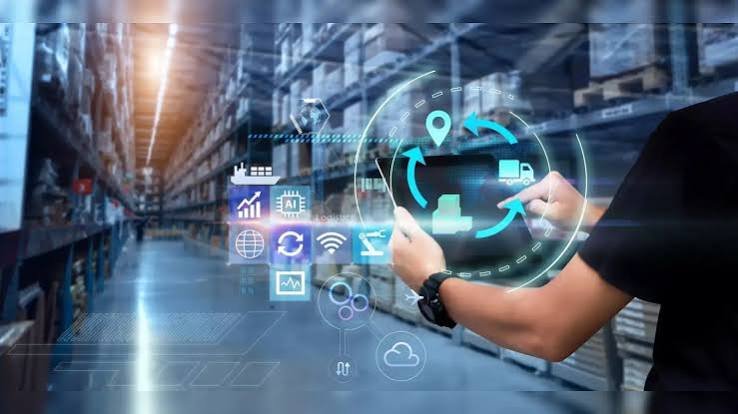
Artificial intelligence is rapidly transitioning from an experimental tool to a core competitive asset. Over the next two years, 85% of Indian respondents plan significant investments in AI-driven demand forecasting and inventory replenishment, with an equal percentage planning investments in agentic AI systems for supply chain execution. Nearly two-thirds (65%) stated that existing AI investments already provide a competitive edge.
Meanwhile, businesses continue to restructure their networks to mitigate external shocks, with respondents citing severe disruptions from shipping-corridor conflicts (71%) and rising tariffs (69%). To counter these pressures and higher transportation costs, companies are regionalising operations (53%), reshoring (42%), nearshoring (29%), and optimising network routes (58%).

Vineet Sekhsaria, Head of India at Prologis, emphasized the intersection of infrastructure and technology in the press release. “Energy and technology are playing a greater role in how businesses plan their growth in India,” Vineet Sekhsaria said. “Customers need supply chains and logistics facilities that can support their ambitions and adapt as conditions change. We work closely with them to understand their operations and bring together our properties and solutions to help them achieve their growth goals.”
Vineet Sekhsaria added that future growth requires holistic facility planning. “For businesses in India, planning for growth means thinking about what their facilities will need to deliver over time,” he said. “Location, reliable power and the ability to accommodate new technology all need to be considered together. Getting those decisions right gives customers more flexibility as their operations develop.”