Guest Column
Beyond Numbers: Why Tier 2 Real Estate Growing in Value, Not Just Volume
By Umang Jindal, CEO, Homeland Group

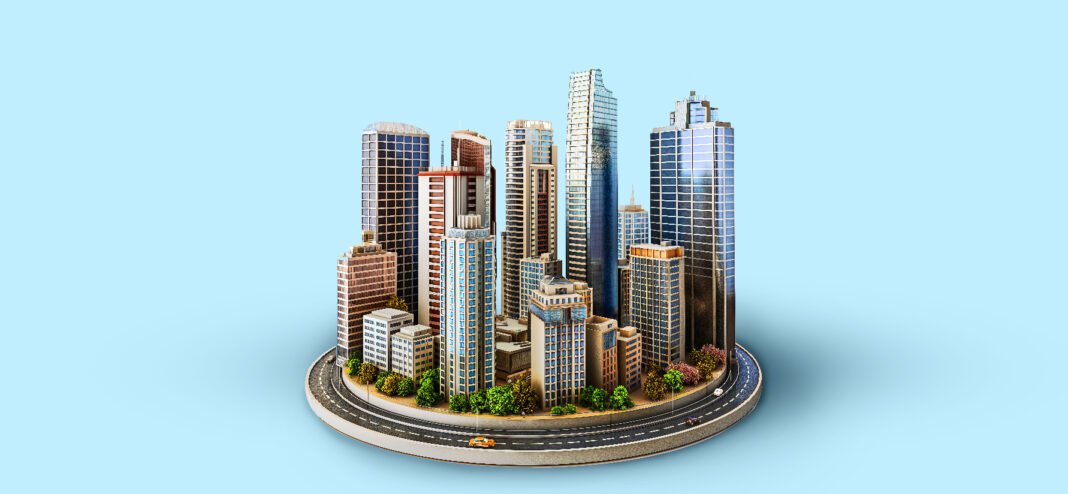
As the dynamic segment of urban landscape, Tier 2 cities have turned into hubs of aspirational living. These cities, known for their low population density and rising economies, are now at the forefront of the real estate growth story. As buyers desire a more balanced lifestyle, one that provides urban luxuries without the chaos of metros, these locations are proving to be the right fit.
According to Magicbricks, the real estate investment landscape is undergoing a shift as Tier 2 cities are outperforming Tier 1 counterparts in terms of capital appreciation. The report shows the average capital appreciation across Tier-II cities stands at 17.6 per cent, outpacing the national capital’s 11.10 per cent.
Meanwhile, per ANAROCK’s Consumer Sentiment Survey, 26 per cent of property investors are now prioritising Tier 2 and 3 cities, signalling a notable shift in investment trends.
Much of the real estate value surge in Tier 2 cities can be traced back to one key driver: infrastructure. With the government’s big push through initiatives like the Smart Cities Mission, AMRUT and mega roadways under Bharatmala and Gati Shakti, these cities are at the centre of it. New airports, metro extensions, expressways and high-speed rail corridors are unlocking entirely new zones for growth.
Moreover, Tier 2 cities are no longer only regional powerhouses; they are already on the radar of institutional investors and leading developers. These cities are experiencing a new surge of real estate activity with the introduction of premium planned townships, luxury apartments and integrated mixed-use developments.
A PropEquity survey shows buyers’ increased preference for premium residences. According to the research, house sales in the top 30 tier 2 cities increased by 11 per cent to approximately 2.08 lakh units in 2023–24. This economic recovery allows individuals to invest in luxury residences, resulting in increased demand for premium housing.
Additionally, sustainability has emerged as a key subject in the real estate industry, notably in Tier 2 and 3 cities, where eco-friendly development and green building methods are gaining steam. To construct environmentally conscious communities, developers are progressively implementing sustainable solutions such as solar energy systems, rainwater harvesting and smart waste management practices. The result? A deeper, more credible real estate ecosystem that’s built for both scale and sustainability.
Unlike crowded metro markets, these cities deliver better rental yields and steady appreciation. As hybrid work continues to redefine where people choose to live, buyers are migrating from Tier 1 cities to more affordable, better-balanced Tier 2 locations.
These cities are gaining traction due to second homes trend that have evolved into lucrative investment assets, with buyers leveraging them for rental income, wealth diversification and long-term appreciation.
A report by MagicBricks shows a major increase in demand for properties in popular hill stations in northern India, making 2025 a potential turning point for lifestyle-driven real estate. The data shows that the trend of second homes in these cities is heating up, emerging as a peaceful retreat in the hills, a remote-work escape or a weekend getaway that doubles as a long-term asset.
Therefore, the emergence of Tier 2 cities in the real estate sector tells a story of transformation. As end-users and investors rethink where they live, work and grow, Tier 2 cities demonstrate that they provide more than just affordability; they offer opportunity, security and a lifestyle that aligns with modern ambitions.
DISCLAIMER: The views expressed in the above piece are personal and solely those of the writer. They do not necessarily reflect Realty&More’s views.




Noida International Airport and Akasa Air Forge Strategic Partnership to Develop MRO Facility
Noida, March 14, 2026: Noida International Airport (NIA) and Akasa Air announced a strategic partnership on March 13, 2026, to...


Perfectpac Limited to Invest ₹125 Crore in New Greater Noida Manufacturing Unit
Greater Noida, March 14, 2026: BSE-listed packaging firm Perfectpac Limited has announced a major expansion of its operations with the...


Emaar India Lays Foundation for ELITE OASIS in Lucknow
Lucknow, March 13, 2026: Emaar India, the local arm of the global real estate giant EMAAR, officially commenced construction on...

Bombay High Court Overturns Pune District Court’s Interim Order Against Runwal Enterprises
Pune, March 14, 2026: In a significant legal development, Runwal Enterprises Limited has successfully appealed a previous ruling by the...

Premium Housing Drives India’s Real Estate Market to ₹8.46 Lakh Crore in 2025: CREDAI–Liases Foras Report
New Delhi, March 14, 2026: The Indian residential real estate market has demonstrated significant value growth in 2025, driven by...

Why Gurugram Needs a Second Urban Masterplan
Gurugram, March 13, 2026: Gurugram is one of India’s fastest-growing urban centres. What was once a small satellite town has,...
-
 News3 weeks ago
Hiranandani Communities Launches Watersports Centre at Premium Coastal Hiranandani Sands, Alibaug Township
-
News2 weeks ago
Strategic Partnership between Brigade Group, Primus Senior Living to Develop Senior Living Communities
-
Guest Column1 week ago
Retail Trends to Watch Out for in 2026
-
News3 weeks ago
Sambhav Homes Completes 85-acre Land Delivery for ₹600-Cr ESR Hosur Advanced Manufacturing Park
-
 News2 weeks ago
FY27 Outlook Residential Real Estate: High Base and Affordability Challenges; Tier I Mid-Premium Segment Resilient
-
News2 weeks ago
TARC Marks New Milestone at TARC Kailasa with Grand Tower Launch, New Experience Gallery Reveal
-
News4 weeks ago
Five Listed Indian REITs Distribute Over ₹2,450 Cr to Unitholders in Q3 FY26: Indian REITs Association
-
Guest Column2 weeks ago
Trust-Led, Lifestyle-Focused, Infrastructure-Driven: Punjab’s Real Estate Evolution