Experts' Take
Causes of disputes in construction industry


Manoj Singh Founding partner, Singh & Associates
The construction industry is a highly complex and competitive industry involving very high stakes. Because of the multifaceted and complex nature of large construction contracts, disputes are fairly common. In this article, we’ll look into the reasons which lead to disputes in the construction industry
Broadly, three main factors give rise to conflicts – poorly drafted contracts that do not outline the respective obligation of the parties in great detail, a failure by the parties to understand their respective roles and responsibilities and, non-compliance with contractual conditions by the parties. When these conflicts are not addressed and resolved, the same turn into disputes.
During the execution of the contract, the following are the major instances are often observed because of which conflicts arise:
Site – Once the contract is signed it is expected site conditions would be as per specifications laid down in the contract. However, the reality is often different at the site and often the site is handed over with encumbrances and hindrances both over and under the ground. Removing these hindrances often cost time and money.
Further, sometimes the site is not handed over completely or is handed over in a piecemeal manner which might affect the planning and consequently planned constructions. Sites are also plagued by the problem of lack of access. For example, in the case of greenfield projects, there might be difficulty accessing the site because of underdeveloped road or rail infrastructure. If these problems are not addressed in the contract, they lead to disputes.
Delays – Some of these delays faced during execution of large-scale construction works include – delay in providing drawings which is essential for the commencement of construction, delays in providing permissions/certificates/approvals without which the works might get delayed, delay in release of funds, delay in supply of owner cost-free issue materials, delay due to interference of other agencies, delay by Government Authorities, delay due to work stoppage due to strikes, lockouts, public agitation, delay due to change of scope of work.
Other disruptions – Often disruptions arise with respect to extraneous factors such as non-availability of material, closure of plants and boundaries, natural disasters, etc. These also contribute to an increase in project cost and time.
The occurrence of any of the above problems often results in highhandedness by the Government authorities who are quick to ascribe blame to the contractors. This, in turn, results in illegal offloading or even illegal termination giving rise to disputes.
Further, in case the delays cause project overruns, then the cost estimation of the project also changes because of price escalation and the need for deployment of additional resources. Sometimes the contract does not deal with this aspect and does not provide for the calculation of actual loss. This creates a lot of problems for the contractor who is often not compensated for these extra costs and this results in disputes.
Once the contract is signed it is expected site conditions would be as per specifications laid down in the contract. However, the reality is often different at the site.Sometimes the site is not handed over completely or is handed over in a piecemeal manner which might affect the planning and consequently planned constructions.The delays faced during execution of large-scale construction works include – delay in providing drawings which is essential for the commencement of construction.
Often disruptions arise with respect to extraneous factors such as non-availability of material, closure of plants and boundaries, natural disasters, etc.
When the dispute arises parties try to discuss among themselves and settle the dispute. But once this step fails, the parties have to resort to the dispute resolution method prescribed in the contract.
In mediation, a neutral third party (usually the Independent engineer) tries to facilitate dialogue between the parties and helps them reach an amicable settlement.
If the parties are unable to come to an agreement through mediation, the next step is conciliation, where a neutral third party tries to facilitate the resolution of the dispute between the parties.
If the conciliation fails, the next and final step is arbitration. It is a much more formal and adversarial method of alternative dispute resolution. The dispute is referred to an arbitrator or a panel of arbitrators.
Dispute resolution
What are the alternative methods of dispute resolution at the early and late stages?
Recent trends show that parties prefer a multi-tier dispute resolution system. Initially, when the dispute arises parties try to discuss among themselves and settle the dispute. But once this step fails, the parties have to resort to the dispute resolution method prescribed in the contract.
In multi-tier dispute resolution clauses, the first step usually is mediation. In mediation, a neutral third party (usually the Independent engineer) tries to facilitate dialogue between the parties and helps them reach an amicable settlement. Usually, a written settlement agreement is signed by the parties, recording the terms of the resolution of the dispute and the same is enforceable as a contract.
If the parties are unable to come to an agreement through mediation, the next step is conciliation, where a neutral third party tries to facilitate the resolution of the dispute between the parties. However, conciliation is different from mediation as it is more formal and in conciliation, the conciliator plays a much more active role by suggesting solutions to the parties. If the parties settle on a solution, written terms of the settlement are signed.
If the conciliation fails, the next and final step is arbitration. It is a much more formal and adversarial method of alternative dispute resolution. The dispute is referred to an arbitrator or a panel of arbitrators. The submissions are made by both parties before the arbitral tribunal and the tribunal then adjudicate on the dispute and deliver an award which binds the parties the same way a decree of the court binds the parties. Thus the process of arbitration results in a final and conclusive adjudication of the dispute.












Gaurs Group Partners with Elematic India in ₹250 Crore Push for Precast Construction
(L-R)- Teppo Voutilainen, CEO of Elematic Oyj, Finland; Chander Dutta, Managing Director of Elematic India; Veshesh Gaur, Director, Gaurs Group;...
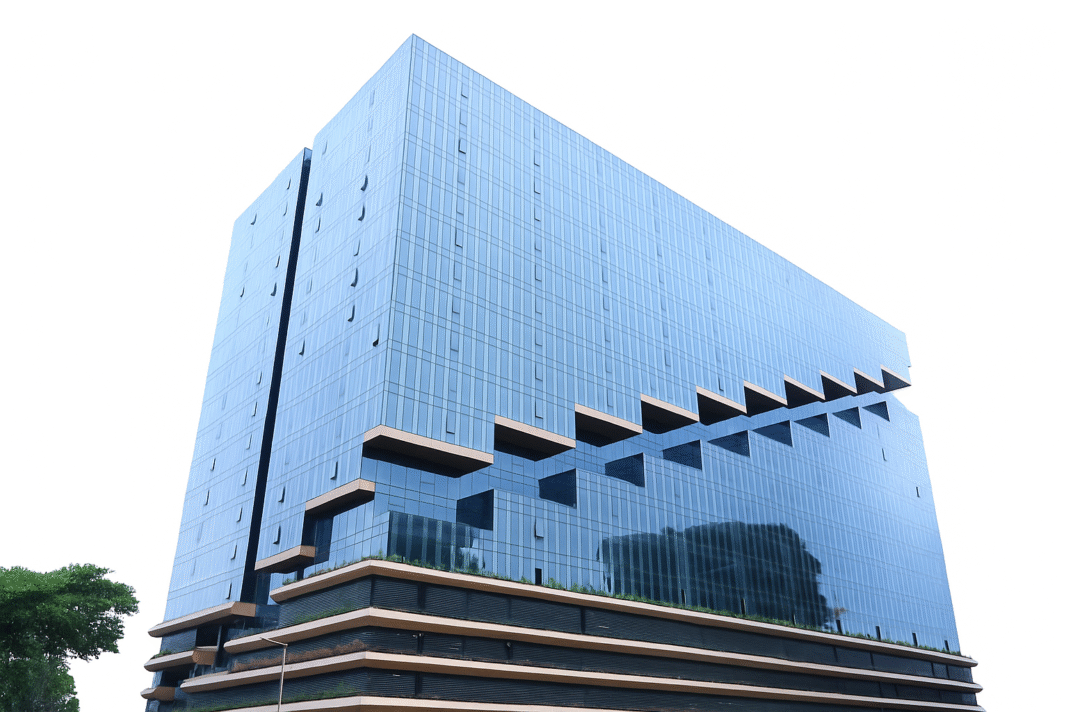
NCW Prime Offices Fund Marks Pune Entry with Acquisition of ‘TenSteps’ in Kharadi
Mumbai, March 3, 2026: Prime Offices Fund (PRIME), the commercial real estate vehicle managed by the Nuvama and Cushman &...


Big FM Signals Strategic Shift with ‘Big FM Realty’ Launch; Targets ₹4,000 Crore Revenue
Lucknow, March 3, 2026: In a major diversification move, Big FM, the radio network under Reliance Broadcast Network Limited, has...


Concord Control Systems Limited Secures ₹53.73 Cr KAVACH 4.0 Order from Indian Railways
Lucknow, March 2, 2026: Concord Control Systems Limited has announced that its associate company, Progota India Private Limited, has secured...


Second edition of DJGF Signature 2026 Powers North India’s Jewellery Trade for Akshaya Tritiya, Wedding Season
New Delhi, March 2, 2026: North India’s jewellery trade received a significant early-season boost from the 2nd edition of DJGF...


CREDAI Convenes 7th Edition of YouthCon in Bengaluru, Bringing Together Next-Gen Industry Leaders
Bengaluru, March 2, 2026: The 7th edition of CREDAI YouthCon, the flagship forum of the CREDAI Youth Wing, concluded on...
-
 News3 weeks ago
Jewar Airport ‘Ready’, Likely to Be Inaugurated by PM Modi By Late Next Month
-
News4 weeks ago
Budget 2026 Positions Tourism & Hospitality as Economic Multiplier, Not Support Sector
-
News1 week ago
Hiranandani Communities Launches Watersports Centre at Premium Coastal Hiranandani Sands, Alibaug Township
-
News5 days ago
Strategic Partnership between Brigade Group, Primus Senior Living to Develop Senior Living Communities
-
News4 weeks ago
Ashiana Care Homes & Epoch Elder Care Partner to Strengthen Assisted Living & Specialized Senior Care in India
-
News2 weeks ago
Sambhav Homes Completes 85-acre Land Delivery for ₹600-Cr ESR Hosur Advanced Manufacturing Park
-
Interviews3 weeks ago
From Square Footage to Soul: Redefining the Urban Living Ecosystem
-
News3 weeks ago
New Training and Certification System Implemented for Real Estate Agents in Uttar Pradesh