Coimbatore Real Estate Surges in Q1 2026 as IT and Luxury Housing Drive Near-Zero Office Vacancy: Cushman & Wakefield
Coimbatore, June 9, 2026: The city’s commercial and residential real estate sectors are witnessing a major growth spurt, driven by intense demand from information technology, pharmaceuticals, and premium housing segments. According to the latest market data for the first quarter of 2026, severe space constraints have pushed office vacancy levels to near zero, triggering massive pipeline developments to accommodate corporate occupiers, said in a press release.

Veera Babu, Executive Managing Director of Tenant Representation – India at Cushman & Wakefield, highlighted the city’s structural advantages in an industry statement. “With an office inventory of 5.5 MSF, Coimbatore has emerged as a credible destination for occupiers in the IT, pharma and business process management sectors over the past few years. The city’s robust engineering and skilled talent pool, combined with competitive occupancy and operating costs, provides occupiers with a scalable and cost-effective platform for growth. Its proximity to major commercial hubs such as Bengaluru and Chennai further enhances its attractiveness by strengthening connectivity with larger business ecosystems. This, along with a balanced urban environment, improving social infrastructure and relatively better quality of life, is increasingly strengthening occupier interest and supporting workforce retention,” Babu said.
Despite a sharp quarter-on-quarter moderation following a massive leasing wave in the previous quarter, Coimbatore’s office market recorded a Gross Leasing Volume (GLV) of 0.05 million square feet in Q1 2026, which marks a significant 46% year-on-year growth. The peripheral office market led this quarterly activity with a 58% share, while the Central Business District (CBD) accounted for the remaining 42%. Sectorally, the IT and Business Process Management (BPM) industries dominated the leasing landscape with a 58% share, while the healthcare and pharmaceutical sectors contributed the remaining 42%. Managed spaces also saw healthy demand, with 2,200 flex seats leased during the quarter.
The intense occupier interest has left the city with virtually no empty office space. The total Grade A and B+ stock stood at 5.5 million square feet, with near full occupancy observed across all submarkets as city-level vacancy declined sharply by 300 basis points quarter-on-quarter. City-wide stock weighted average rents reached INR 69.3 per square foot per month, with suburban submarkets commanding premium rentals due to superior asset quality. Relief for occupiers is on the horizon, as Babu noted: “Strong demand in recent years has led to significant tightening in the office market, with vacancy levels nearing zero. However, with close to 6.8 MSF of under-construction and planned supply in the pipeline, the market is likely to witness a healthy uptick in leasing activity over the near-to-medium term.” A specific pipeline of 4.3 million square feet is expected by 2027, largely concentrated in the peripheral markets.
The retail sector similarly reflects this supply crunch, recording a total leasing of 46,000 square feet in Q1 2026, with main high streets accounting for a dominant 94% share. Suburban markets led retail leasing at 83%, followed by the CBD. Department stores commanded 76% of the activity, followed by accessories and lifestyle brands at 13%, and food and beverage at 5%. Due to the limited availability of space, rentals recorded healthy growth across key high streets, with DB Road witnessing the highest year-on-year rental growth of 12%. Meanwhile, Grade A mall vacancy remained exceptionally low at 2.38%. Commenting on this sector, Babu stated, “The retail sector recorded strong momentum in Q1, with rents across key high streets rising sharply by 9–12% YoY. Limited availability of space within the city’s existing ~1.0 MSF Grade-A mall inventory has constrained transaction activity.”
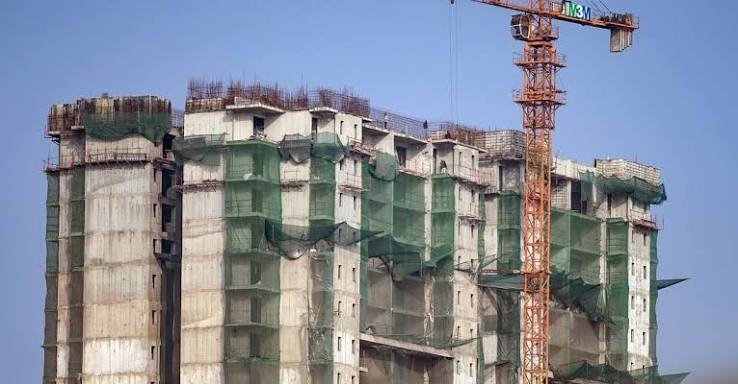
In the residential arena, developers are shifting their focus toward more affluent buyers. The city recorded 1,530 new residential unit launches in Q1 2026, with suburban submarkets taking a dominant 73% share, followed by the CBD at 19% and peripheral markets at 8%. High-end and luxury segments led the new supply with a 52% share, followed closely by the mid-segment at 43%. This shift left the affordable housing category with a relatively smaller share of the market.
Capital values across all residential submarkets posted strong year-on-year growth, with high-end developments witnessing an 11% to 14% price appreciation, while mid-segment housing saw an 8% to 12% growth. This upward trajectory aligns with broader national shifts, as Babu concluded, “In the residential segment, Coimbatore continues to mirror broader trend of premiumisation visible across leading real estate markets in India. A majority of the unit launches during Q1 were concentrated in the high-end segment, while remaining supply was largely focused on mid-segment housing. Activity in the affordable housing category remained relatively muted during the quarter.”