News
Flex Inventory Across Top 7 Cities to Cross 100 MSF, Penetration to Surpass 10% by 2027: Colliers India
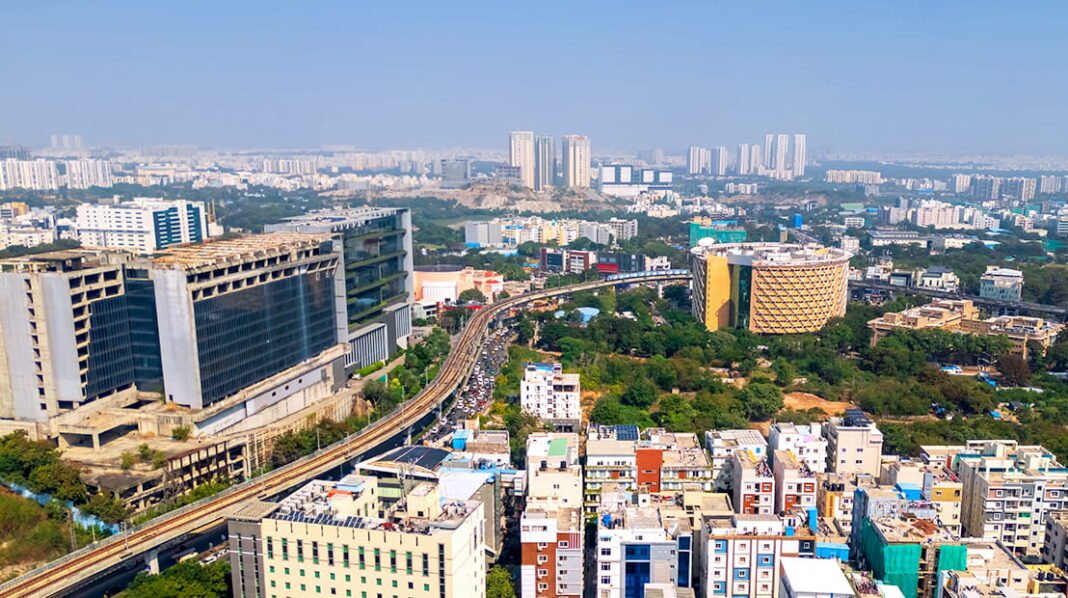
Bengaluru, December 11, 2025: India’s flex space market is poised for a decisive growth phase over the next 2-3 years, with flex stock across the top seven cities expected to surpass 100 million square feet by 2027, up from 72.3 million square feet (msf) in 2025, according to Colliers’ latest report ‘Flex India: Pioneering the Future of Work’. The share of flex spaces in the overall office stock is also set to strengthen, with flex penetration likely to rise from 8.5 per cent in 2025 to 10.5 per cent by 2027, supported by sustained operator expansion. This growth will be further fueled by strong enterprise demand, with average annual seat uptake projected to increase 25 per cent over the next two years to around 200,000 seats, compared to 160,000 seats seen during 2024 and 2025.
“India’s flex market is entering a pivotal era of expansion, with Grade A stock set to surpass 100 million square feet by 2027, growing annually by nearly 20 per cent across the top 7 cities. As domestic enterprises and global firms, especially Global Capability Centers (GCCs) deepen their flex adoption, operators are responding by curating next-generation, customized workspaces adept with advanced PropTech and sustainable features. The flex market momentum is further being bolstered by growing number of operators raising capital through IPOs, signaling strong investor confidence. Overall, the next phase of India’s flex market will be driven by the growth of technology firms, the expansion of GCCs, changing expectations of occupiers and increasing appetite of institutional investors,” says Arpit Mehrotra, Managing Director, Office Services, Colliers India.
Leaders in Flex Stock and Penetration
Bengaluru leads with more than 22 million square feet of operational flex space, followed by Delhi NCR with 12.5 million square feet, together comprising nearly half of India’s total flex stock. In terms of flex space adoption, Pune stands out prominently with highest flex space penetration of 11.5 per cent, driven by sustained demand from technology and BFSI firms, along with start-ups. Meanwhile, Chennai has emerged as one of the fastest-growing flex markets in the country, recording an impressive 5.6X growth in flex stock since 2021.
Flex Space Growth Drivers
Scalability, customization and tech integration have emerged as key occupier priorities in workplace decisions. In response, flex operators are increasingly offering fully managed workspaces with tech support, value-added services, option to customize it according to occupier preferences etc. Additionally, with rising demand from GCCs, flex operators are offering “GCC-as-a-Service” model to global firms, assisting them in identifying optimal locations, obtaining regulatory approvals and delivering workspaces aligned with global standards. Also, operators are prioritizing ESG-focused design and preferring to expand their green-certified portfolio. Interestingly, in the last 2-3 years, around 70 per cent of the flex space uptake was concentrated in green-certified developments, underscoring the pragmatic approach toward sustainability.
Enterprise demand, Flex Portfolios
Enterprise occupiers continue to dominate India’s flex market, accounting for nearly 70 per cent of the total flex seat demand. Average annual enterprise seat uptake has grown notably, from around 50,000 seats in 2021 to nearly 160,000 seats in 2024 and 2025, led primarily by technology and BFSI firms – these sectors cumulatively contribute around 60 per cent of the current enterprise demand. This strong trajectory is set to continue further, with annual enterprise seat uptake expected to reach ~200,000 seats during 2026 and 2027, marking a 25 per cent increase over the preceding two-year period. While technology and BFSI occupiers will remain the most prominent demand drivers, sectors such as engineering & manufacturing and consulting are expected to contribute more meaningfully, accounting for 10-15 per cent of enterprise seat uptake each.
GCCs and Flex Space Demand
A defining shift in recent years has been the rapid rise of Global Capability Centres (GCCs) as prominent occupiers of flex space in the country. During 2025, GCCs continue to drive 40–45 per cent of the approximate 160,000 enterprise seat uptake across the country, and their share is expected to further rise over the next two years as they scale and diversify their India operations.

“GCCs have become one of the most prominent demand drivers of flex space, accounting for 40-45 per cent of the enterprise seat uptake. As they expand into higher-value functions such as R&D, engineering, analytics and artificial intelligence, flex operators are responding with specialized value-added offerings including onboarding support, compliance-ready infrastructure, fully managed services and rapid deployment models. With PropTech-led efficiencies, enterprise-grade solutions and sustainability features becoming core to flex portfolios, GCCs are expected to deepen their flex adoption, contributing to nearly half of total enterprise demand over the next two years,” says Vimal Nadar, National Director & Head of Research, Colliers India.
Flex Space Hubs in Tier I and II Cities
India’s flex market continues to be dominated by Tier I cities, which account for the majority of operator expansions and enterprise activity. Within these cities, Secondary Business Districts (SBDs) remain the preferred micro-markets, contributing to over half of the Grade A flex space uptake in the last 5 years. Their proximity to large talent clusters, availability of high-quality commercial developments, improving infrastructure-led-connectivity and relatively lower real estate costs have made them favorable for operators and occupiers alike.
At the same time, several operators are aggressively expanding into Tier II locations such as Ahmedabad, Bhubaneswar, Coimbatore, Chandigarh, Indore, Jaipur, Kochi, Lucknow, Thiruvananthapuram etc. With average seat rentals 30–35 per cent lower than Tier I cities, the price arbitrage in these smaller markets offer compelling reasons for occupiers to prefer flex spaces while adopting hub-and-spoke as well as distributed workforce models. Driven by the anticipated traction in these emerging locations, Tier II cities can witness steady expansion of flex operators, and account for 10–15 per cent of the country’s flex stock by 2027.



Highway Hub Signs MoU With Viva Apotek to Develop Retail Network
Highway Hub, a venture by the Pragati Group, has signed an MoU to form a Joint Venture with Viva Apotek...


How Technology is Changing Real Estate
A complete, human-style deep dive into the future of property, investment, and living Introduction: A Digital Revolution in Real Estate...
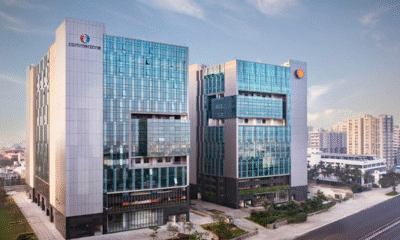

Mindspace REIT Expands Chennai Footprint with ₹2,541 Crore Acquisition of Commerzone Pallikaranai
Mumbai, April 2, 2026: Mindspace Business Parks REIT has announced a major expansion of its southern India footprint with the...


Abhee Ventures Brings a Scotland-Inspired Living Concept to Bengaluru
Bengaluru: Abhee Ventures is preparing to bring a residential development in Bengaluru,inspired by the enduring architectural charm and pastoral serenity...
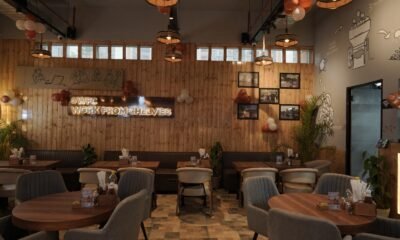

Chelvies Coffee Company Opens at Spectrum@Metro, Noida
Noida, April 3, 2026: Strengthening its vibrant retail and F&B mix, Spectrum@Metro haswelcomed the launch of Chelvies Coffee Company, a...


Record Sales, Production Propel SAIL’s Strongest-ever Performance in FY2025-26
New Delhi, April 2, 2026: The largest steelmaking public sector company, SteelAuthority of India Limited (SAIL), has achieved its highest-ever...
-
 Guest Column4 weeks ago
Retail Trends to Watch Out for in 2026
-

 News2 weeks ago
FractoProp Receives SEBI Registration for Ridhama Real Estate Fund
-
News1 week ago
How Noida International Airport Will Impact Property Prices
-
News4 days ago
Noida International Airport Inauguration Sparks New Real Estate Boom For NCR
-
News2 weeks ago
Rise of Airport-Linked Real Estate: Opportunities Emerging Around Jewar
-
News3 weeks ago
Enviro Infra Engineers Secures ₹411 Crore Bihar Sewerage Project Under AMRUT 2.0
-
News3 weeks ago
Greenlands Global Private Limited Appointed as Managing Partner for Big FM Realty’s ₹1,200 Crore Mixed-Use Development
-

 News3 weeks ago
India Maintains Competitive Edge as Asia-Pacific Office Fit-Out Hub, Reports Knight Frank