From Amenities to Ecosystems: How Branded Clubhouses Are Redefining the Modern Residential Experience
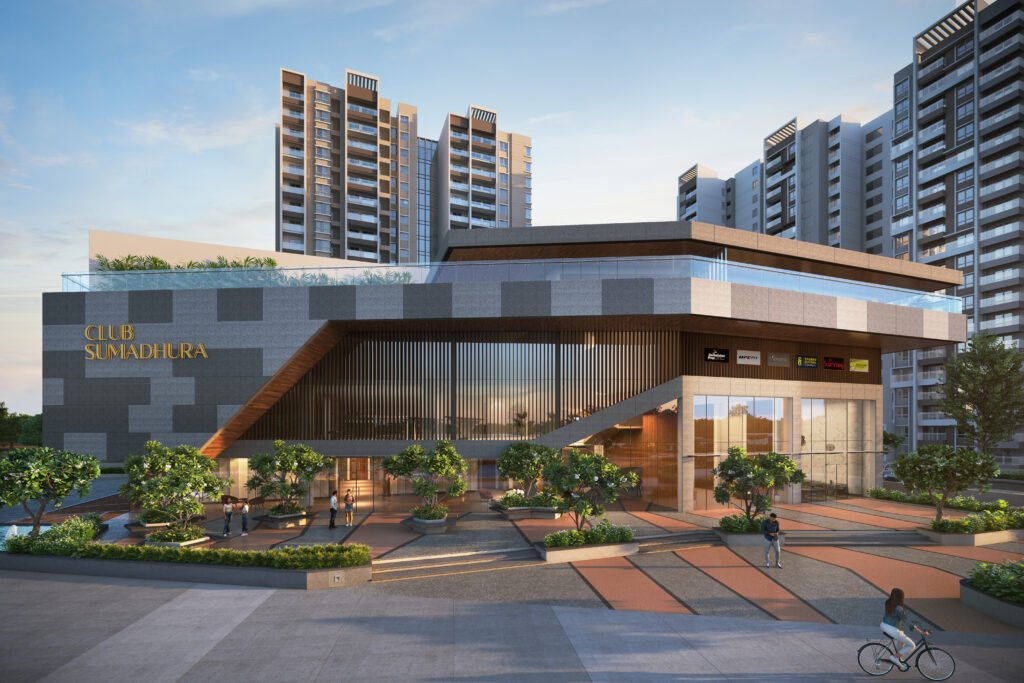
By Bharat Kumar Kandukuri, Director, Sumadhura Group

1. How has the definition of “home” evolved in recent years to include lifestyle-centric experiences like clubhouses and wellness zones?
The definition of home has fundamentally shifted from being a static asset to a dynamic, self-sustaining ecosystem.
At Sumadhura, we see this as a structural shift driven by the realities of modern urban life. Hybrid work patterns, longer commute cycles, and increasingly compressed schedules have redefined what residents expect from their living environments. A home today is evaluated not just on design or finishes, but on how effectively it can integrate everyday routines within a single, cohesive setting.
Wellness has moved from being an abstract aspiration to a clearly defined expectation. Access to green spaces, fitness infrastructure, and community environments is now actively assessed as part of the decision-making process. Buyers are increasingly seeking developments where lifestyle infrastructure is embedded, not external.
As a result, clubhouses and wellness zones are no longer peripheral—they are central to how contemporary residential ecosystems are conceived and experienced.
2. Do you see a shift in buyer expectations from functional amenities to experiential and branded social spaces? What’s driving this change?
We are witnessing a structural shift, not a recurrent trend.
The market has largely addressed expectations around functional layouts and adaptability. What is emerging now is a deeper focus on how residential environments perform experientially over time.
From our perspective, this shift is being shaped by a more globally exposed and discerning buyer base. Homes are no longer viewed purely as financial assets—they are extensions of personal identity and lifestyle positioning. This has led to a growing preference for environments that deliver consistency in design, service, and community engagement.
The increasing participation of NRIs and globally mobile professionals is further accelerating this change. These buyers bring expectations of operational discipline and curated living, which is influencing the broader market as well.
India’s rise as a leading market for branded residences reflects this transition. The emphasis is clearly moving toward managed, reliable, and experience-led living environments over standalone luxury.
3. From sports zones to coworking pods, how are developers redefining the clubhouse to meet the needs of multiple generations in a single space?
Clubhouses today are no longer recreational add-ons—they are functional extensions of the home.
At Sumadhura, we view them as integrated social infrastructure designed to support diverse routines within a single ecosystem. This shift is a direct response to evolving urban dynamics, where time constraints and multigenerational living patterns are both intensifying.
As cities expand and commute cycles lengthen, residents are seeking environments that reduce dependency on external infrastructure. At the same time, multigenerational households require functional separation without physical fragmentation.
The clubhouse addresses this through layered design. Structured sports academies support skill development across age groups. Coworking spaces enable professional productivity closer to home. Wellness zones, lounges, and senior-friendly environments ensure accessibility and inclusivity.
The focus is no longer on adding amenities—it is about integrating them meaningfully into everyday life.
4. What role do Branded Clubhouses play in creating a sense of belonging and community in high-rise developments?
In vertical living environments, community does not form organically—it must be intentionally created.
High-rise developments offer efficiency and security, but they often limit spontaneous interaction. Branded Clubhouses address this by acting as structured social anchors within the residential ecosystem.
Through professionally curated programs—ranging from sports and wellness to cultural and hobby-led engagements—these spaces create consistent opportunities for interaction. Over time, this fosters familiarity, participation, and a stronger sense of belonging.
We believe community is not a by-product of design—it is an outcome of consistent engagement. Well-designed clubhouses enable that continuity by bringing residents together through shared experiences.
In that sense, they are not just lifestyle features, but essential components of modern residential planning.
5. With the rise of Branded Clubhouses, how are developers collaborating with global or niche hospitality, wellness, and lifestyle brands?
The model is evolving toward specialization and long-term operational excellence.
At Sumadhura, we see these collaborations as a way to bring domain expertise into residential living. While the developer creates the physical infrastructure, the experience layer is designed and delivered by specialists.
This includes partnerships with established academies, wellness experts, and hospitality operators who bring structured programming, certified professionals, and defined service protocols. The result is a more consistent and professionally managed experience for residents.
What differentiates successful collaborations is not just the brand association, but the ability to deliver reliability over time. Residents expect facilities that function seamlessly—not just at launch, but on a sustained basis.
This integrated approach ensures that global standards are meaningfully embedded into everyday living environments.
6. Sumadhura Group has introduced Branded Clubhouses as part of its residential offering — how does this concept go beyond aesthetics to truly enhance the resident lifestyle experience? Can you share how it’s been received so far?
At Sumadhura, the Branded Clubhouses are not positioned as an amenity—it is a core pillar of how we design everyday living.
Across our flagship developments— an 85,000 sq. ft. Branded Clubhouse at Palais Royale in Hyderabad and a 54,000 sq. ft. branded lifestyle hub at Folium in Bengaluru, we have created India’s first multi-city Branded Clubhouse ecosystem spanning collectively over 1.4 lakh sq. ft. Each residential community-Palais Royale and Folium, features a unique blend of world-class sports and wellness brands, thoughtfully selected to enrich the lifestyle aspirations of its residents.
We have built this ecosystem through partnerships with established names such as Badminton Pros by Saina Nehwal, Michael Phelps Swimming, UFC FIT, Saurav Ghosal Squash Academy, Mahesh Bhupathi Tennis Academies, Matrix Dance Academy by Tiger Shroff, Shriyog Institute of Iyengar Yoga by Smt. Rajeshree Tupe, and Ajivasan Music & Dance Academy by Suresh Wadkar.
These collaborations enable residents to access professional-grade coaching, structured wellness programs, and skill-based learning within their own community. Children benefit from guided developmental pathways, adults engage in performance-driven fitness routines, and senior residents participate in safe, supervised activities designed for long-term well-being.
Equally important is operational consistency. Programs are structured, engagement is actively managed, and facilities are maintained to high standards. This ensures that the clubhouse remains a functional, living environment rather than a static feature.
The response so far has been strong and encouraging. We are seeing consistent participation across age groups. For us, the most meaningful validation is sustained usage—these spaces are not just showcased, they are actively integrated into residents’ daily lives.
7. Do you think a well-designed clubhouse can impact resale value or long-term investment in residential properties? Why or why not?
A well-designed clubhouse can influence value—but only when it performs consistently over time.
In the premium segment, we are seeing a clear shift toward lifestyle-led buying. Value is increasingly linked to how a development supports everyday living, rather than just its physical specifications.
From our experience, a functional and well-managed clubhouse contributes to long-term value in three ways.
First, it enhances liveability, which attracts long-term residents and supports demand stability.
Second, it creates differentiation in competitive micro-markets, where ecosystem quality becomes a key decision factor.
Third, it reinforces perception, particularly among globally exposed buyers, by signalling governance, maintenance discipline, and reliability.
Ultimately, amenities create value only when they are consistently used and maintained.
8. How important is it for developers to strike a balance between high-end exclusivity and everyday usability when designing these spaces?
Exclusivity may attract attention, but usability sustains value.
At Sumadhura, we believe that premium positioning must be supported by everyday functionality. Buyers today evaluate not just how a space looks, but how effectively it performs over time.
This includes accessibility, efficiency, sustainability, and ease of maintenance. Whether it is intuitive layouts, senior-friendly design, or energy-efficient systems, these factors directly influence long-term satisfaction.
A space that is visually compelling but functionally inefficient will quickly lose relevance. On the other hand, environments that balance aspiration with practicality continue to deliver value across generations.
The focus, therefore, is not on choosing between exclusivity and usability—but on integrating both seamlessly into the design philosophy.