How Mixed-Use Developments are Contributing to Rise of Smart Cities in India
By Ankit Gupta

New Delhi, February 21, 2025: India’s rapid urbanization has led to significant pressure on existing infrastructure, urban planning, and the demand for efficient, sustainable living spaces. To tackle these challenges, the Indian government, under the Smart Cities Mission, has been transforming urban landscapes by integrating modern technologies and fostering smart infrastructure. One of the key enablers of this transformation is the rise of mixed-use developments (MUDs), which are reshaping the way we live, work, and interact within urban spaces.
The Role of Mixed-Use Developments in Smart Cities
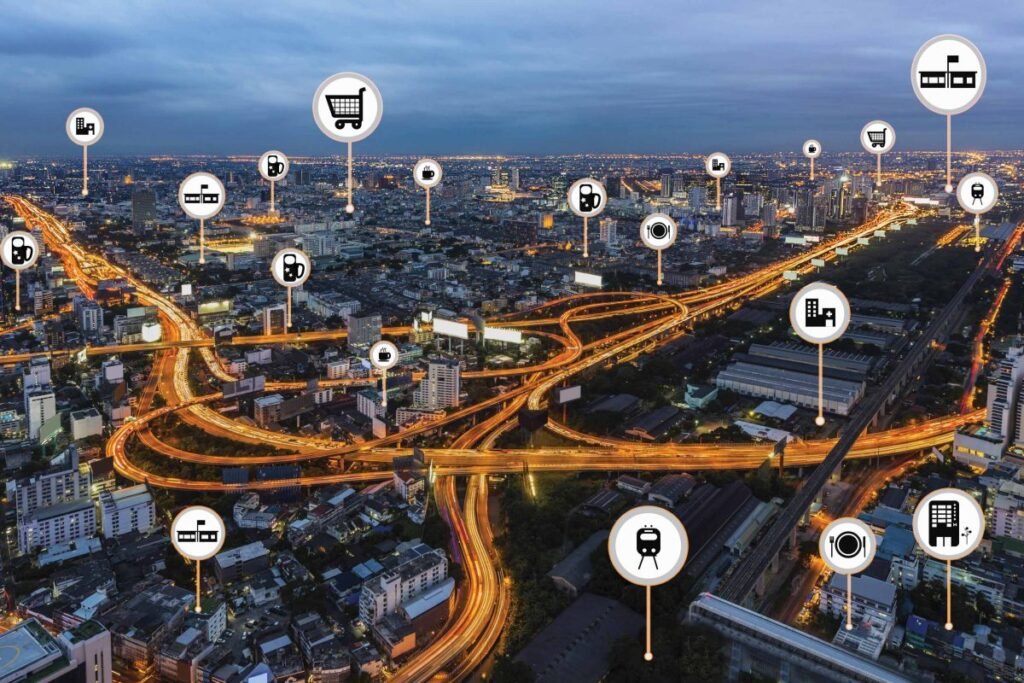
Mixed-use developments bring together residential, commercial, retail, and recreational spaces within a single cohesive environment, reducing the need for long commutes and promoting a lifestyle that is both convenient and sustainable. These developments have become essential in realizing the vision of smart cities, which prioritize efficiency, accessibility, and sustainability.
Enhancing Urban Sustainability
Mixed-use developments align perfectly with the goals of sustainable urban growth. By efficiently utilizing land, these developments minimize urban sprawl while also incorporating eco-friendly infrastructure such as energy-efficient buildings, green spaces, and waste management systems. This holistic approach not only preserves the environment but also reduces the dependency on vehicles, lowering carbon emissions and improving air quality. Cities like Gurugram, Noida, and Bangalore are seeing the development of such spaces where residential complexes and business hubs coexist, creating a seamless, sustainable environment for residents and employees alike.
Reducing Commute Times and Traffic Congestion
One of the major challenges in Indian cities is traffic congestion, which has far-reaching implications for productivity, health, and the environment. Mixed-use developments address this problem by integrating essential services such as office spaces, retail outlets, healthcare centers, and entertainment hubs within the same complex. This proximity reduces the time spent in traffic, alleviates congestion, and enhances the overall quality of life. For instance, locations like Delhi NCR and Bangalore are now seeing a surge in projects that allow residents to live, work, and shop without the need to travel long distances.
Economic Growth and Job Creation
By offering flexible office spaces, co-working hubs, and commercial outlets, mixed-use developments foster entrepreneurship and attract a wide range of businesses, from startups to large corporations. These spaces act as business ecosystems that support innovation, provide job opportunities, and drive local economies. The co-location of residential and commercial spaces also brings about more foot traffic to retail outlets, enhancing business prospects. Smart infrastructure integrated into these developments promotes a seamless experience for businesses, employees, and residents, further boosting economic growth.
Technological Integration in Mixed-Use Developments
The integration of smart technologies is a key feature of mixed-use developments that support the rise of smart cities. IoT (Internet of Things) devices, automated parking, smart waste management, energy-efficient systems, and app-based community management are some of the innovations seen in these developments. Cities like Gurugram and Bangalore are integrating these technologies into their mixed-use projects to enhance operational efficiency and offer residents a connected, tech-enabled lifestyle. This technological infrastructure plays a pivotal role in the development of smart cities, allowing for better resource management and improved services for residents.
Creating Vibrant and Self-Sufficient Communities
Mixed-use developments foster vibrant, self-sustaining communities where residents can easily access all necessary services and amenities. This includes workspaces, schools, healthcare, dining options, entertainment, and more. With the rise of such integrated communities, people are encouraged to spend more time within their neighborhood, reducing the pressures on infrastructure and promoting a sense of belonging and engagement. This holistic approach to urban living is vital in creating cities that are not only efficient but also socially inclusive and people-centric.
The Future of Mixed-Use Developments in India
With India’s ambitious goals for smart city development, the role of mixed-use developments will only grow. Cities like Gurugram, Delhi, Noida, Mumbai, and Bangalore are already leading the way in this transformation, and we can expect the demand for integrated, sustainable, and tech-enabled spaces to rise significantly in the coming years.
Mixed-use developments are playing a crucial role in shaping the future of India’s smart cities by fostering sustainability, enhancing economic vibrancy, and improving the quality of life. For residents, businesses, and investors alike, embracing mixed-use spaces is a step toward a smarter, more connected, and future-ready India.
The author is Director (Sales) of the Reach Group