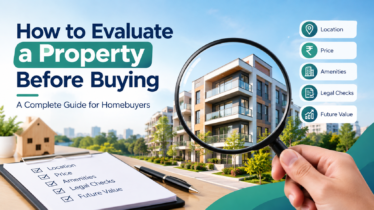
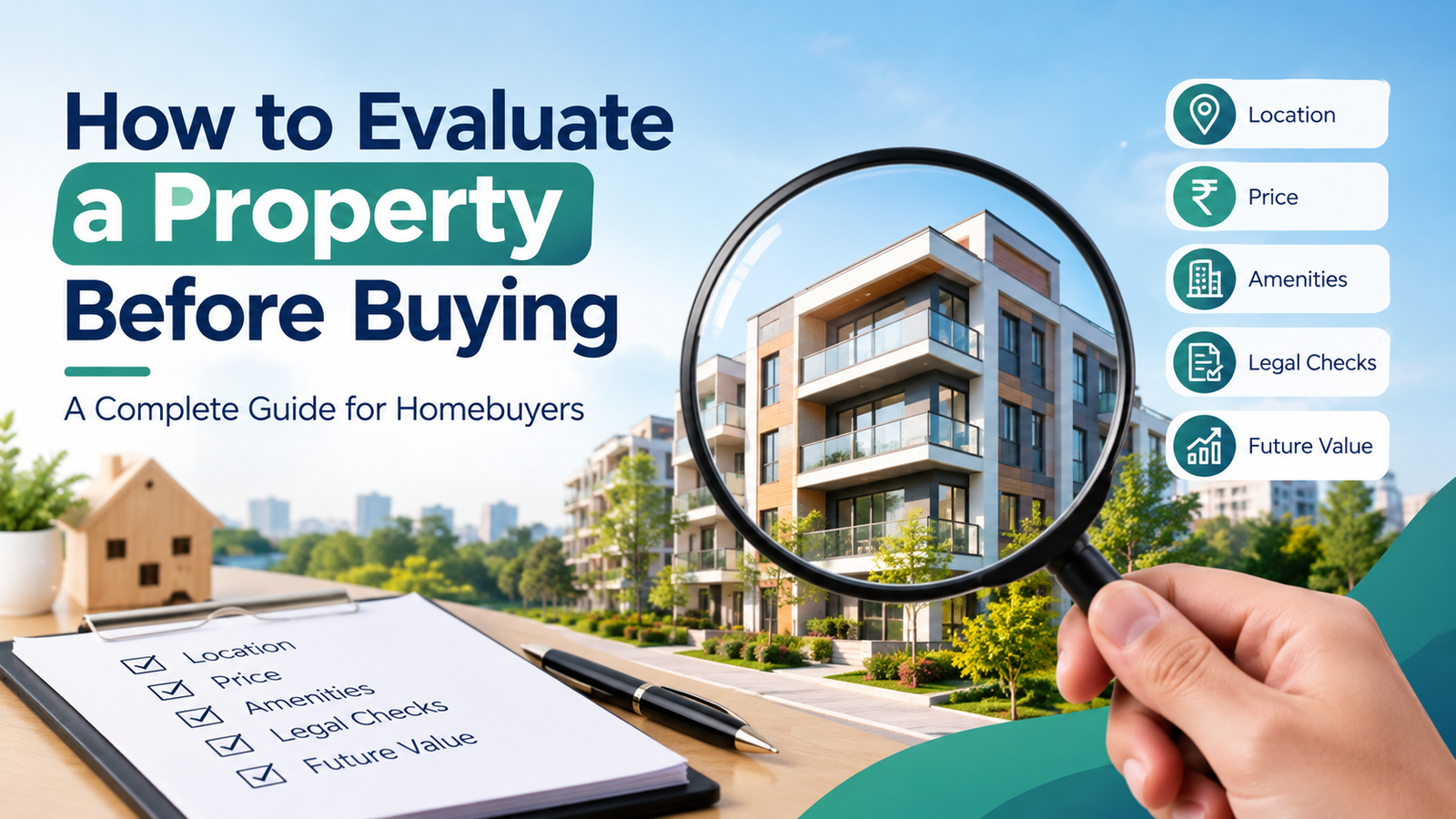
How to Evaluate a Property Before Buying: A Complete Guide for Homebuyers
Buying a property is one of the most significant financial decisions a person can make. Whether you are purchasing your first home, upgrading to a larger apartment, or investing in real estate, evaluating a property carefully can help you avoid costly mistakes and make an informed decision.
While location, pricing and amenities often influence buying decisions, a thorough property evaluation goes beyond the appearance of a home or the promises made by a developer. Buyers must assess legal documentation, construction quality, connectivity, future development prospects and the overall financial implications before committing to a purchase.
Here is a practical guide to evaluating a property before buying it in India.
1. Evaluate the Location and Connectivity
Location plays a major role in determining a property’s livability, demand and long-term value. A property in a well-connected neighbourhood with access to essential services may offer greater convenience and stronger resale potential than one in an isolated area.
Before buying, examine the property’s proximity to major roads, public transportation, schools, hospitals, workplaces, markets and other everyday facilities.
For buyers considering properties in Delhi-NCR, connectivity to metro corridors, expressways and major employment hubs can be particularly relevant. However, proposed infrastructure projects should be verified through official sources rather than treated as guaranteed improvements.
Also assess the neighbourhood’s existing infrastructure, traffic conditions, water supply, drainage and surrounding development. Visiting the location at different times of the day can help you understand its actual conditions.
2. Verify Legal Documents and Property Ownership
Legal verification is one of the most important steps in evaluating a property. A home that appears attractive and is competitively priced can still present significant risks if its ownership or approvals are unclear.
Buyers should examine the title documents to understand the ownership history and establish whether the seller has the legal right to transfer the property. Depending on the transaction, relevant documents may include the sale deed, previous title deeds, encumbrance records and applicable land or property records.
For under-construction projects, check the sanctioned building plans, relevant approvals and the developer’s compliance with applicable regulations. Where a home loan is involved, remember that a lender’s approval should not replace your own legal due diligence.
It is advisable to consult an independent property lawyer before signing the agreement or making a substantial payment.
3. Check the Project’s RERA Registration
The Real Estate (Regulation and Development) Act, 2016, introduced a regulatory framework intended to improve transparency and accountability in the real estate sector.
Before purchasing a unit in a project covered by the Act, verify its registration on the relevant state or Union Territory Real Estate Regulatory Authority website. In Delhi-NCR, buyers should check the applicable authority based on the property’s location, such as Haryana RERA or UP RERA.
Review the registered project’s details, declared completion timeline, approvals and other available disclosures. Compare the information with the documents and claims provided by the developer.
Buyers should also understand the agreement’s possession terms, payment schedule and provisions relating to delays. RERA registration is an important check, but it does not eliminate the need for independent legal and financial verification.
4. Assess Construction Quality and Physical Condition
A property’s visual appeal does not always reflect its construction quality. Buyers should inspect the building and individual unit for signs of poor workmanship, structural concerns and maintenance problems.
Important areas to examine include:
- Walls and ceilings for cracks, damp patches or seepage.
- Flooring, doors and windows for defects or poor installation.
- Plumbing systems, water pressure and drainage.
- Electrical fittings, wiring and ventilation.
- Lift functionality, staircases, fire-safety arrangements and common areas.
- Water supply, power backup, parking and waste management facilities.
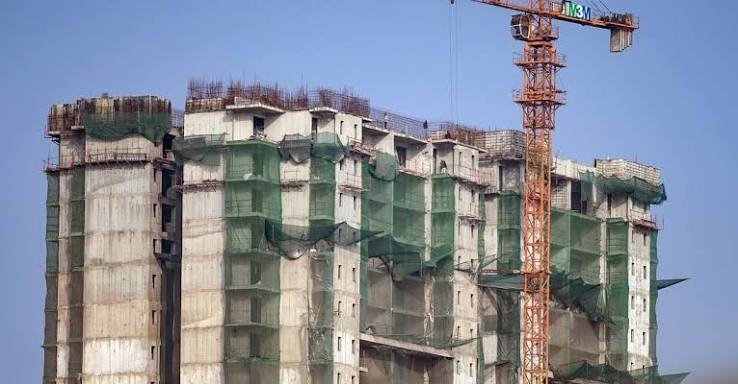
For an under-construction property, review the construction progress against the promised specifications and seek professional advice if anything appears questionable.
For a ready-to-move-in or resale property, a professional home inspection can help identify defects that may otherwise lead to additional expenses after possession.
5. Compare the Property Price With the Market
A property’s asking price should be evaluated against comparable properties in the same locality. Comparing only the headline price per square foot can be misleading because prices may vary according to the building’s age, floor, orientation, amenities, condition and possession status.
Research recent transactions where reliable information is available, compare similar projects and understand the difference between quoted prices and actual transaction values.
Government circle rates or the applicable ready reckoner rates can provide a reference for certain statutory purposes, but they do not necessarily represent the property’s current market value.
Buyers should also consider whether the price is justified by the location, construction quality, developer track record and available infrastructure. An unusually low price may warrant additional investigation into the property’s legal status, condition or surrounding factors.
6. Calculate the Total Cost of Buying
The purchase price is only one component of the total cost of acquiring a property. Additional charges can significantly affect affordability, particularly for buyers purchasing a home for the first time.
Depending on the property and transaction, expenses may include:
- Stamp duty and registration charges.
- Applicable GST on under-construction property.
- Brokerage fees, where applicable.
- Parking, maintenance deposits and other disclosed charges.
- Interior work, furnishing and repairs.
- Home loan processing fees and other borrowing costs.
- Society or maintenance charges after possession.
GST generally does not apply to the sale of a completed building where the entire consideration is received after the completion certificate or first occupation, subject to the applicable legal conditions.
Prepare a complete cost estimate before finalising your budget. This will help you avoid stretching your finances beyond what you can comfortably manage.
7. Evaluate the Developer’s Track Record
When purchasing from a developer, examine the company’s history of completed projects, delivery timelines, construction standards and post-possession service.
Speak with existing residents wherever possible. Their experiences can offer useful insights into maintenance, water supply, construction defects, promised amenities and the developer’s response to complaints.
For under-construction projects, verify the project’s current progress rather than relying exclusively on marketing materials. Buyers should also review relevant RERA disclosures and publicly available information about the developer’s projects.
A strong track record can provide useful reassurance, but each project should still be evaluated independently.
8. Understand the Amenities and Maintenance Costs
Amenities can improve the living experience, but they should be assessed in terms of actual usability and long-term cost.
Facilities such as security systems, lifts, parking, power backup, landscaped areas and recreational spaces may be valuable depending on the buyer’s requirements. However, buyers should distinguish between amenities that are operational and those that are merely proposed or advertised.
Ask about monthly maintenance charges, sinking funds, repair responsibilities and the management of common areas. In larger residential developments, these recurring expenses can form a meaningful part of the household budget.
The right property is not necessarily the one with the most amenities, but the one that offers facilities suited to the buyer’s needs and financial capacity.
9. Examine Future Development and Resale Potential
Buyers planning to hold a property for several years should consider its potential resale demand and rental prospects.
Employment centres, transport connectivity, social infrastructure and planned urban development can influence demand over time. However, future appreciation is never guaranteed, and proposed projects may face delays or changes.
Evaluate the locality’s current demand, supply of comparable homes, vacancy levels and rental rates. Consider whether the property is likely to appeal to a broad group of future buyers or tenants.
For investment-oriented purchases, calculate the expected rental yield by comparing annual rental income with the property’s total acquisition cost. Also account for maintenance, vacancy periods, taxes and other expenses before assessing the likely return.
10. Review the Agreement and Possession Terms
Before making the final commitment, read the agreement carefully and ensure that its terms match the representations made during the buying process.
Check the unit number, carpet area, total consideration, payment schedule, possession date, specifications, cancellation provisions and applicable charges. For under-construction properties, understand the contractual terms governing delays and the remedies available under applicable law.
Buyers should also verify whether the promised parking arrangements, amenities and other facilities are accurately documented.
Do not rely solely on verbal assurances. Important commitments should be reflected in the relevant written documents, subject to applicable law.
11. Check Financing and Long-Term Affordability
Even when a home loan makes a purchase possible, buyers should evaluate whether the repayment obligation fits comfortably within their finances.
Compare interest rates, processing fees, loan tenure and repayment conditions across lenders. Calculate the monthly EMI alongside existing financial commitments and regular household expenses.
A realistic budget should account for potential changes in income, unexpected repairs and other financial needs. Buyers should also retain adequate savings rather than using every available fund for the down payment.
Getting an initial loan assessment can help establish a practical budget, but final loan approval and disbursement remain subject to the lender’s requirements.
Conclusion
Evaluating a property before buying requires a combination of legal verification, financial planning, physical inspection and market research. A well-connected location and attractive amenities may make a property appealing, but ownership documents, construction quality, total acquisition costs and the terms of the agreement deserve equal attention.
For homebuyers in India, particularly those exploring competitive markets such as Delhi-NCR, careful due diligence can help reduce avoidable risks and support more informed decisions.
The objective should not simply be to find a property that looks attractive or fits the immediate budget. It should be to identify a property that meets your requirements, has verifiable documentation, remains financially manageable and offers value over the period you intend to own it.
Before making a final decision, consult qualified legal and financial professionals where necessary, verify information through official sources and ensure that every important commitment is documented.
Frequently Asked Questions (FAQs)
1. What should I check before buying a property in India?
Check the property’s ownership and legal documents, applicable approvals, RERA registration where required, construction quality, location, market price, total acquisition cost and agreement terms.
2. How can I verify whether a property is legally safe to buy?
Review the title documents, ownership history, relevant land records, encumbrance information and applicable approvals with the assistance of an independent property lawyer.
3. Why is RERA registration important when buying a property?
RERA provides a regulatory framework for covered real estate projects and requires relevant disclosures and compliance. Buyers should verify the project’s registration and details with the appropriate state or Union Territory authority.
4. How do I know whether a property is fairly priced?
Compare similar properties in the same locality, examine reliable transaction data where available, consider the property’s condition and specifications, and assess the price against local demand and infrastructure.
5. What additional costs should I budget for when buying a home?
Depending on the transaction, these may include stamp duty, registration, applicable GST, brokerage, maintenance deposits, loan charges, repairs, interiors and recurring maintenance expenses.
Disclaimer: This blog is for informational and educational purposes only and should not be considered financial, investment, legal, or tax advice. Every investor’s financial situation is unique. Please consult a qualified financial or real estate expert before making any investment or purchase decisions. Do not buy, sell, or invest in any financial product or property solely based on the information in this blog.