Organised Co-Living Sector Projected To Reach 1 Million Beds By 2030
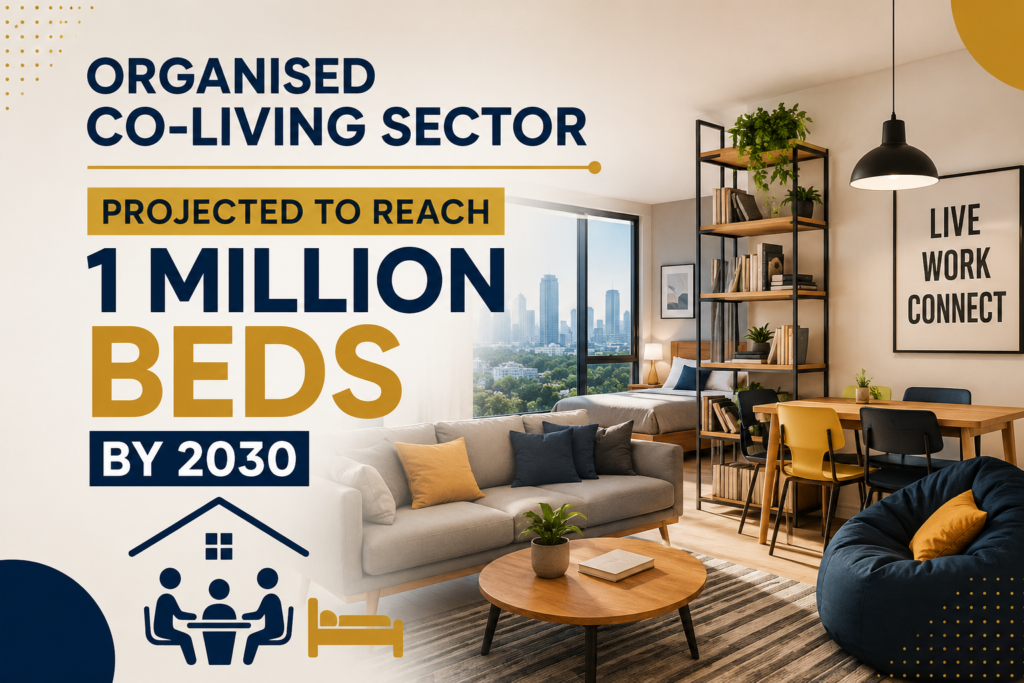
Thane, August 20, 2026: India’s organised co-living sector is entering a structured growth phase, with industry reports from real estate consultancy Colliers projecting market penetration to double from around 5% to over 10% by 2030, bringing total organised inventory to nearly 1 million beds. The projected expansion is driven by a steady surge in demand from students and young working professionals seeking flexible, professionally managed rental housing in major urban hubs.

Commenting on the industry’s trajectory, Union Living CEO Rishabh Soni highlighted the shifting dynamics of the urban housing market. “India’s co-living sector is entering a more structured phase of growth, driven by rising urban migration and the growing preference among students and young professionals for flexible, professionally managed accommodation. As organised co-living penetration expands, the focus will increasingly be on delivering the right balance of affordability, quality, safety and community. We see significant headroom for the sector to grow, particularly across emerging urban and education hubs,” Rishabh Soni stated.
Founded in December 2019 by CEO Rishabh Soni and COO Parth Soni, accommodation brand Union Living began operations in September 2021 with its flagship property in Belapur, Navi Mumbai. The company, headquartered in Thane with operational headquarters in Pune, was established to address long-standing gaps in India’s fragmented rental market, where options for mobile youth were largely restricted to overcrowded paying guest accommodations or impersonal apartments. Rishabh Soni, a civil engineering graduate from Manipal Institute of Technology who holds an MBA from IE Business School, previously managed large-scale warehousing and institutional projects at Orex Development Group, applying institutional real estate strategies to the co-living model.
Union Living currently caters to students aged 17–24, young professionals aged 21–30, and corporate travelers through its Daily Stays vertical. The firm operates 15 properties across five cities, managing a portfolio of 5,000 beds while maintaining average occupancy levels between 95% and 98%. The business utilizes a Build-to-Suit model, purpose-designing entire buildings for communal living rather than retrofitting existing spaces, which yields higher rental returns for real estate partners than standard residential leases. All-inclusive pricing structure bundles rent, utilities, meals, housekeeping, and technology-enabled management into a single fee, serving the company’s broader expansion strategy across primary educational and employment centres in India.