Redefining Retail Experiences: The Role of Design, Accessibility and Consumer Engagement
By Sanchit Bhutani, Managing Director, Group 108
Today, the success of a retail development is shaped by far more than its location, architecture or tenant mix. While these remain fundamental to its commercial proposition, the experience a property delivers increasingly determines how it is perceived, how frequently it is visited and the place it occupies in the consumer’s mind. Customer experience has therefore become a critical aspect in real estate development, influencing a destination’s immediate appeal, long-term relevance, and commercial potential.
Importantly, over the years, the relationship between retail and its consumers has changed considerably. Shopping continues to be a primary driver of footfall, yet contemporary consumers increasingly value destinations that offer opportunities for leisure, social interaction, discovery and recreation. For developers, this calls for a more considered approach to retail real estate where a development functions as a one-stop retail destination that allows visitors to shop, dine and unwind while being responsive to changing lifestyles and patterns of consumption.
In addition, the commercial significance of this shift is shown in consumer research as according to a 2026 report by ICSC and McKinsey & Company found that more than 40% of Gen Z and millennial consumers say experiential retail makes them more likely to shop at a retailer. Importantly, from a real estate perspective this supports the role of the physical environment in shaping consumer preference, strengthening retailer engagement and sustaining a property’s appeal.
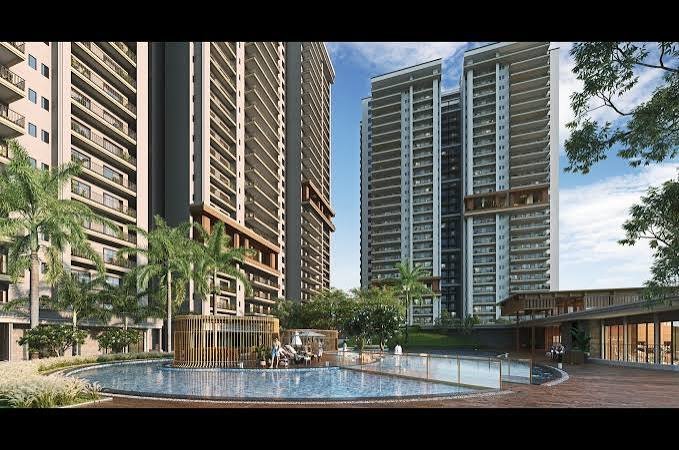
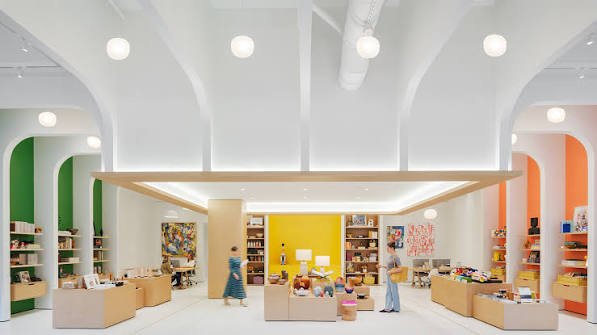
At the heart of this approach lies design, whose contribution extends well beyond architectural expression to encompass the way a development functions and is experienced. Increasingly, every design element from the overall spatial composition to the finer details of the built environment contributes to how visitors perceive and interact with a destination. For instance, art installations can establish a unique visual identity while water features and landscaped spaces introduce opportunities for pause and interaction.
Similarly, natural illumination, intuitive circulation, well-proportioned common areas and carefully planned transitions between indoor and outdoor environments contribute to a coherent visitor experience when conceived as part of a unified design philosophy. As these elements enhance the character of a property while supporting its everyday functionality.
An equally significant consideration is the extent to which a development accommodates the diversity of its visitors. Meanwhile, accessibility and inclusion, too, are essential for creating commercially and socially relevant public environments with universal design principles, barrier-free pathways and thoughtfully planned facilities enable people across different ages and abilities to guide a space with greater ease while inclusive washrooms and environments that acknowledge diverse identities further strengthen the dignity and consideration. Beyond individual facilities, an inclusive approach indicates a wider understanding of the relationship between real estate and the communities it serves.
Alongside these considerations, the convergence of retail, leisure and lifestyle is expanding the role of commercial developments. Besides this, Lush green gardens, outdoor recreational areas and pet-friendly spaces respond to consumers who increasingly seek destinations that accommodate a wider range of everyday activities from family recreation to informal social gatherings and such environments expand the reasons to visit and create opportunities for sustained engagement. In real estate, this is central to placemaking: establishing an identity that extends beyond the transactional purpose of a property and builds a meaningful connection with its surrounding neighbourhood.
Beyond the physical environment, consumer engagement also requires ongoing aspects such as cultural programming, interactive installations and community-led initiatives that introduce activity and eminence to a destination while encouraging visitors to engage with it in different ways over time. Retailers gain additional opportunities to connect with their audiences which can cultivate a recognisable destination with a changing relationship with its consumers.
Moreover, translating this vision into lasting commercial value requires consistency across the entire development lifecycle as customer experience should inform decisions from the initial planning and design stages through to tenant curation, operational management and ongoing programming. When these components are aligned they can reinforce footfall, support tenant performance and strengthen a property’s competitive positioning. The objective is to create an asset whose relevance is sustained through the quality of its environment and the consistency of the experience it delivers.
Further, the future of retail real estate will depend considerably on how effectively the industry integrates commercial ambition with a deeper understanding of consumer expectations with developments that combine thoughtful design, accessibility and meaningful engagement better positioned to ensure long-term appeal and commercial success. Ultimately, the enduring value of a retail destination lies in its ability to function as a successful commercial asset while becoming an important part of the lives and communities around it.
Disclaimer: Views expressed in this article are those of the author, and not necessarily of Realtynmore.com.