TCI MAX Digitally Transforms Srinagar Cement Plant With ABB Process Control Solutions
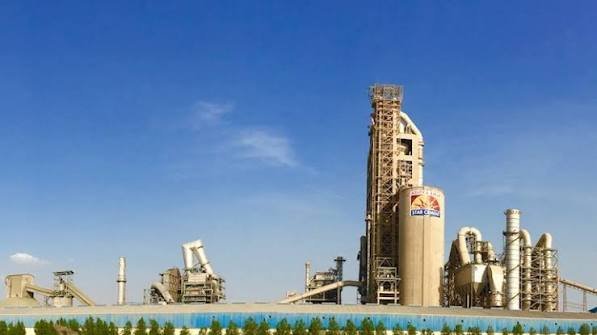
Srinagar, November 5, 2026: Indian cement manufacturer TCI MAX Cement has deployed digital automation technologies from global technology leader ABB at its Srinagar plant in Jammu and Kashmir, according to a press release issued by the company.
TCI MAX, a division of Trumboo Industries Pvt. Ltd., integrated the ABB Ability™ Expert Optimizer advanced process control (APC) solution alongside supporting IT infrastructure at its facility. The installation marks the first recorded implementation of advanced process control technology within the cement manufacturing sector in the Jammu and Kashmir region, delivering optimizations across the plant’s pyro process.
Commenting on the technological integration, Waseem Ahmed Trumboo, Director, Trumboo Industries Pvt. Ltd., said: “Introducing advanced process control at TCI MAX is an important step in how we are evolving our operations. Our focus is on improving the stability and efficiency of our processes while maintaining consistent clinker quality. We have been encouraged by the performance of the solution during commissioning and by the support from the ABB team, and we look forward to realizing its full potential.”
Highlighting the partnership, Kapil Agarwal, Sr. VP & Local Division Manager, Process Industries Division, ABB India, said: “Cement producers are increasingly looking to adopt digital technologies to achieve greater consistency and efficiency while addressing their sustainability priorities. ABB Ability™ Expert Optimizer brings advanced process control and deep cement process expertise together to help operators make their processes more stable and efficient. We are pleased to support TCI MAX as it takes this important step in its digital transformation.”
The ABB Ability™ Expert Optimizer combines advanced process control, model predictive control, and artificial intelligence to predict process behavior and automatically adjust operating parameters. The system supports plant operations by optimizing thermal and electrical energy consumption, improving raw material utilization, maintaining consistent clinker quality, and minimizing operational process waste.