Why D2C Brands Are Rewriting India’s Retail Real Estate Story
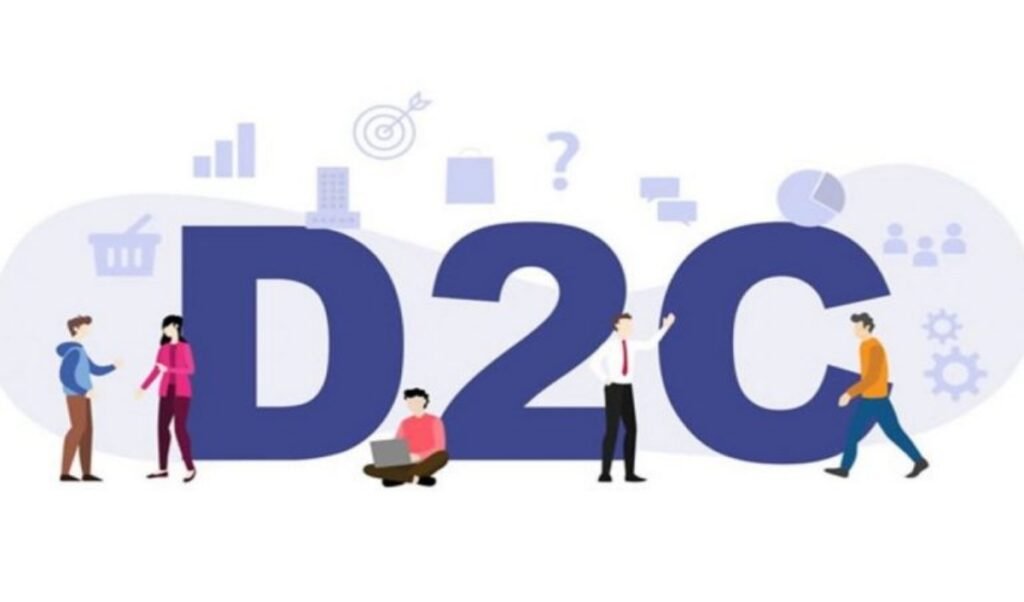
New Delhi, September 13, 2026: India’s retail real estate landscape is undergoing a transformation as digitally native, direct-to-consumer (D2C) brands increasingly move beyond screens into physical storefronts. What began as an online-first business model is creating growing demand for commercial space, as companies recognize that a physical presence builds visibility, credibility, and deeper consumer engagement.
According to research firm CBRE, D2C brands accounted for roughly 28 percent of India’s overall retail leasing activity during the first half of 2026, up from approximately 23 percent in the same period last year. Overall retail leasing grew 20 percent year-on-year to around 3.9 million square feet during the first half of 2026. Delhi-NCR led the market, accounting for 35 percent of retail space take-up, followed by Chennai at 17 percent and Mumbai at 15 percent.
For D2C brands, physical locations are transitioning from simple transaction points into platforms where consumers can experience products and build trust before purchasing.

“D2C brands are bringing a different approach to physical retail. The store is increasingly being viewed as an extension of the brand rather than just a sales outlet. This is creating strong demand for well-located spaces within quality malls and retail destinations, where footfalls, ambience and the overall customer experience can strengthen brand recall. For malls, this also creates an opportunity to curate a more dynamic and experience-led tenant mix,” said Nandini Taneja, CEO, Bhumika Enterprises.
Rather than relying exclusively on conventional large-format stores, D2C players are utilizing experience centres, smaller-format stores, pop-ups, shop-in-shop models, and micro-stores. These formats allow companies to establish a physical footprint while managing capital expenditure and expansion risks.

“India’s retail market is moving towards a more nuanced expansion cycle. D2C brands are no longer looking at physical stores simply for reach; they are using them to test markets, understand consumer behaviour and create stronger offline-online integration. This is likely to support demand for strategically located retail assets across established as well as emerging consumption corridors,” said Azad Ahmad Lone, President, Biigtech.
Fashion and apparel remained the largest D2C leasing segment, accounting for roughly 69 percent of D2C leasing activity in the first half of 2026, followed by homeware and furnishings at 12 percent and jewellery at 7 percent. Industry analysts view the trend not as a reversal of India’s digital retail expansion, but as its next evolution toward integrated omnichannel strategies.