Model Theory: How Stalled Real Estate Projects Are Being Revived

New Delhi, January 19, 2026: The decade spanning 2012–13 to 2022–23 has been one of the most turbulent phases for the Indian real estate sector, marked by jumps, repeated disruptions and structural shifts. Major policy and economic events—demonetization in 2016–17, the implementation of GST, and the COVID-19 pandemic in 2020—collectively placed immense pressure on the industry.
These developments led to a sharp drop in housing demand, prolonged construction halts, widespread migration of labour, and, most critically, a severe liquidity crunch. With sales slowing and funding sources drying up, many developers found it difficult to sustain ongoing projects.
As a consequence, thousands of real estate projects across the country were pushed into uncertainty. The impact was particularly visible in Noida, Greater Noida, and Ghaziabad, where hundreds of projects were either left incomplete, stalled midway, or dragged into prolonged legal and insolvency proceedings under the National Company Law Tribunal (NCLT).
Key Reasons for Project Delays and Incompletion
Key reasons include outstanding dues payable to development authorities, declining sales due to flawed marketing or pricing strategies, and a failure to adapt to changing market preferences. These challenges are further compounded by rising construction, compliance, and operational costs, which put additional strain on already stressed finances. In many cases, the withdrawal or cessation of funding by banks and NBFCs becomes the tipping point, bringing construction activity to a standstill.
Prolonged delays trigger a surge in complaints from homebuyers, leading to legal proceedings in consumer courts, RERA, and higher courts. This mounting legal pressure further restricts cash flows and operational flexibility for promoters, eventually forcing many projects to halt construction altogether.
In severe cases, projects are referred to the National Company Law Tribunal (NCLT) for insolvency proceedings. Once under NCLT, timelines stretch further, and resolution becomes increasingly complex, leaving homebuyers and other stakeholders trapped in prolonged uncertainty.
How the Picture Changed: A Surge in Demand and Prices
The real estate boom witnessed over the past two to three years following COVID-19 came as an unexpected yet highly encouraging turnaround for the sector. A sharp revival in housing demand due to rising work from home culture and separate room for quarantine, supported by improved affordability, lifestyle shifts, demand of ready-to-move-in units and renewed buyer confidence, led to a significant rise in property prices. This demand–price momentum played a crucial role in restoring the viability of many stalled and incomplete projects.
Despite facing challenges such as outstanding dues to development authorities, buyer litigations, and court-mandated refund orders, these projects offered a distinct advantage over greenfield developments. Since partial construction and approvals were already in place, they could be revived and completed in a comparatively shorter timeframe than launching new projects from scratch.
This changing market dynamic attracted renewed interest from developers and investors, who began viewing stalled projects not as liabilities but as opportunity assets. Several additional factors further strengthened this shift, as outlined below.
Government’s Co-Developer Policy
Among the key recommendations of the Amitabh Kant Committee, the co-developer policy emerged as one of the most effective mechanisms for the revival of stalled real estate projects.
Under this model, a new developer acquires construction and development rights by clearing the outstanding dues and liabilities of the original promoter, subject to the approval and conditions laid down by the competent authority. This framework enables projects to restart without prolonged legal deadlocks, while protecting the interests of homebuyers.
Several notable partnerships were formed under this policy, leading to the resumption of construction across NCR. Prominent examples include Nirala India with Morpheus Pratishtha, NCR Monarch with Cosmos Infrastructure, Nimbus Realty with Sunworld, and many others. These collaborations allowed stalled projects to move forward as co-promoted developments, restoring buyer confidence and accelerating delivery timelines.
Company Takeover Model
In several instances, stalled real estate projects have been revived through a company takeover model, where a new developer acquires the project by purchasing equity or shares of the original promoter’s company. This approach allows the new owner to retain the existing land bank, approvals, and project framework, while restructuring liabilities and re-launching the development with a fresh vision.
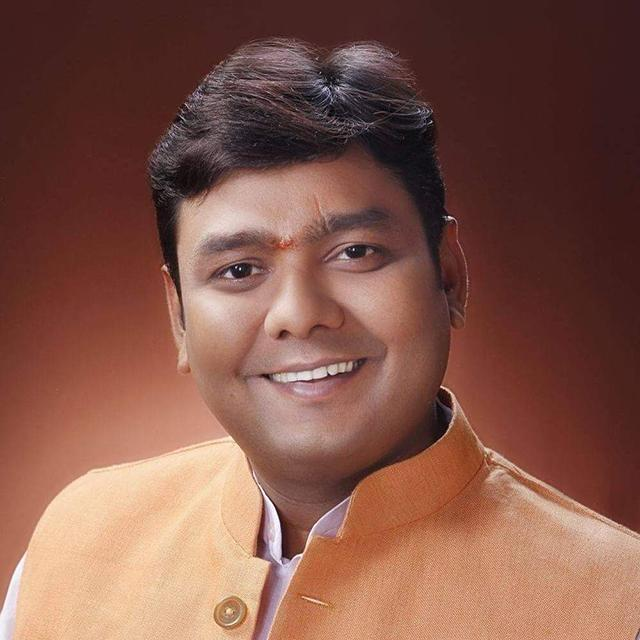
Renox Thrive by Renox Group is a notable example of this model. Explaining the strategy, Renox Group Chairman Shailendra Sharma states: “Acquiring the company was the only viable way to unlock the land bank. Before launching the project, we settled all outstanding dues with the development authorities, banks, RERA, and homebuyers. We also reworked the project extensively—from construction standards to amenities—keeping future market requirements in mind.”
This model enables faster revival by avoiding prolonged litigation and offering continuity in land ownership and approvals.
‘New Life’ Through Management Change
In some cases, projects stall not because of land or funding issues alone, but due to weak management, poor execution, or lack of strategic direction. A new chapter of change in leadership and operational approach can significantly alter the project’s trajectory.
This transformation is evident in Antriksh Valley by Diligent Builders, where a new management team brought renewed focus, modern construction practices, and buyer-centric policies. According to Lt. Col. Ashwini Nagpal (Retd.), COO of the new management, “After joining the management, we cleared the development authority’s dues, introduced improved execution and work practices, realigned the project with current market needs, and offered structured refund and settlement options to existing buyers. Simultaneously, new inventory sales helped stabilize cash flows, bringing the project to the stage of obtaining the Occupancy Certificate. We bagged SWAMIH fund also for the rest of the project.”
Project Rehabilitation under Sections 8 and 15 of RERA
Under Sections 8 and 15 of the Real Estate (Regulation and Development) Act (RERA), several incomplete projects have been legally transferred or authorized to new promoters or associations of allottees, with the consent of both original promoters and homebuyers. This regulatory mechanism has emerged as an effective pathway for project revival.
Approximately 20 stalled projects have been revived through this route. Completed developments include Jaypee Kalypso Court, Jaypee Knight Court, and Vasundhara Grand, while projects such as Apex Splendor, Apex Elegant Ville, Mangalya Novina Greens, i-Thums 62, Utopia Estate and other are currently under various stages of construction.
Above models highlights how strong governance, operational discipline, and strategic clarity can breathe new life into stalled projects .
Insolvency to Occupancy Certificate
Conventionally, the completion of a real estate project after it enters proceedings at the National Company Law Tribunal (NCLT) is considered extremely challenging. However, there have been notable exceptions that demonstrate how structured planning and stakeholder cooperation can reverse this outcome. But many projects have achieved occupancy certificate from competent authorities even under IRP and via resolution.
One such example is RG Luxury Homes by RG Group, where the developer successfully secured a reverse insolvency order from the NCLT. The project has since achieved the Occupancy Certificate (OC) and is now in the process of handing over possession to homebuyers. Explaining the turnaround, Himanshu Garg, Director, RG Group, says:
“Our project completion plan received strong support from homebuyers as well as the Insolvency Resolution Professional (IRP). Despite difficult market conditions, we were able to secure funding from a financial institution. Within three years of receiving the NCLT order, we are now ready to hand over possession of all 1,918 units across nine towers of Phase 1, which were impacted by the insolvency proceedings.”
Another project, KVD Wind Park is being completed by Rearco through insolvency and successfully bagged SWAMIH fund for the project. Recently Suraksha updated that they have completed almost 6,000 units of in various projects of Jaypee Associates Ltd. and filed OC.
This case highlights how collaboration among developers, lenders, regulators, and buyers can enable project completion even after insolvency. According to Atul Vikram Singh, Founder, Vision Business Park, “There are many real estate projects where one or two towers have remained unused for long periods. Renovation and refurbishment of such towers by new developers is proving to be an effective revival model. It not only improves the likelihood of completing stalled projects but also directly benefits homebuyers through enhanced construction quality and upgraded specifications.”
Today, revival mechanisms such as co-developer policies, project takeovers, management restructuring, corporate and reverse insolvency resolutions, and alternative funding models have ignited renewed hope for thousands of distressed homebuyers. If policy support remains consistent and funding flows continue, a majority of stalled real estate projects across the country are likely to regain momentum in the coming years—bringing long-awaited relief to homebuyers and finally turning unfinished dreams into delivered homes.