How Organised Developers Are Reshaping Punjab’s Housing Market: The Rise of the Tricity Region

By Umang Jindal, CEO, Homeland Group
Chandigarh, March 16, 2026:
Punjab’s housing market, particularly the Tricity region of Chandigarh, Mohali and Panchkula, is undergoing a significant transformation. Over the past decade, the region has gradually shifted from largely fragmented real estate development towards a more organised and professionally managed ecosystem. This transition is not only redefining how homes are built and delivered but is also strengthening transparency, improving buyer confidence and raising the overall standard of urban living.
Historically, real estate development across many parts of Punjab was dominated by smaller and unorganised players. While these projects addressed local housing needs, buyers often faced issues such as project delays, lack of regulatory clarity and inconsistent construction quality. In recent years, however, a combination of regulatory reforms, evolving buyer expectations and the growing presence of organised developers has begun to reshape the sector.
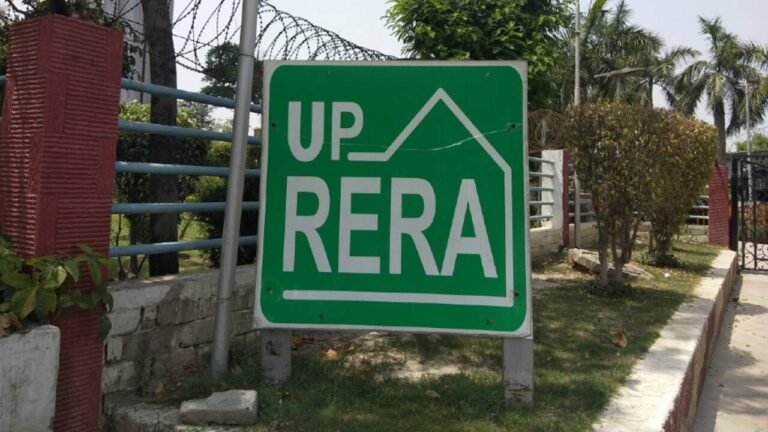
A major catalyst for this change has been the implementation of the Real Estate (Regulation and Development) Act (RERA) and the establishment of the Punjab Real Estate Regulatory Authority (Punjab RERA). These reforms have introduced greater accountability and transparency into the real estate ecosystem. Mandatory project registrations, escrow mechanisms for project funds and defined delivery timelines have helped restore trust among homebuyers while encouraging developers to adopt stronger governance and compliance practices.
The Tricity region has emerged as one of North India’s most promising residential markets. Chandigarh’s planned urban design, Mohali’s expanding infrastructure and Panchkula’s strategic connectivity together form a strong residential corridor. Among these, Mohali has increasingly become the growth engine of the Tricity housing market, attracting both end-users and investors due to its rapid urban development and growing employment ecosystem.
Infrastructure expansion has played a crucial role in supporting this growth. The development of International Airport Road, expansion around IT City Mohali and improved connectivity between Mohali, Chandigarh and Zirakpur have significantly enhanced the region’s accessibility. These developments are not only driving residential demand but are also strengthening the Tricity region’s position as an emerging economic and lifestyle hub in North India.
Commenting on the changing market dynamics, Umang Jindal said, “Over the past few years, we have seen a clear shift in buyer expectations across the Tricity region. Homebuyers today are more informed and prioritise credibility, transparency and long-term value. This is driving greater demand for projects developed by organised players who can deliver quality construction, timely completion and thoughtfully planned communities.”
Another notable trend is the evolution in buyer preferences. Today’s homebuyers are increasingly looking beyond standalone housing units and instead prefer integrated communities that offer a balanced lifestyle. Modern residential developments are therefore being designed to include green spaces, recreational facilities, wellness infrastructure and social amenities within the same ecosystem.
This focus on community living represents a clear shift from earlier models of residential development. Instead of isolated housing projects, new developments are designed to create neighbourhoods where residents have access to open spaces, sports facilities, walking trails and retail conveniences within their surroundings.
Organised developers are also raising construction and design standards across the region. By working with experienced architects, urban planners and engineering consultants, they are introducing better design efficiencies, modern construction technologies and sustainable development practices. Features such as energy-efficient buildings, rainwater harvesting systems, landscaped green zones and improved infrastructure planning are becoming increasingly common in newer projects.
Beyond housing, organised developments also contribute to the broader economic growth of the region. Large residential projects generate employment across construction, design, project management and facility management. They also stimulate the growth of retail establishments, services and supporting infrastructure in surrounding areas.
For Punjab—particularly the Tricity region—this transition marks an important stage in its urban development journey. As regulatory frameworks strengthen and buyer expectations continue to evolve, organised developers will play a central role in shaping more sustainable and well-planned communities.
The future of housing in the region will depend not just on building more homes but on building them responsibly—through transparency, thoughtful planning and a clear understanding of modern lifestyle needs. With strong infrastructure, rising demand and growing participation from organised developers, the Tricity region is well positioned to emerge as one of North India’s most dynamic residential markets in the years ahead. News