The Rise of Temple Town Investments: What Makes Shirdi a Compelling Opportunity
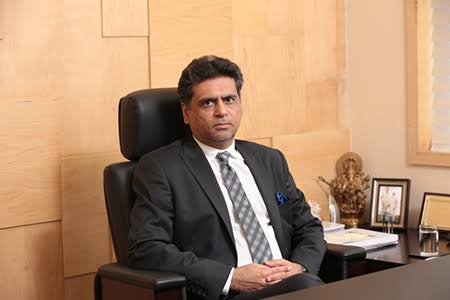
By Neeraj Gulati, Managing Director, Assotech.
For years, India’s real estate story has largely been defined by its metros and fast-growing urban centres. As these markets mature, investors look towards emerging growth corridors where infrastructure, economic activity and changing consumer needs are creating new growth opportunities. Temple towns are beginning to offer a different proposition. Their established visitor economies, recurring demand and improving infrastructure are creating opportunities for real estate to develop beyond traditional pilgrimage-led accommodation. Shirdi, one of Maharashtra’s most prominent pilgrimage centres, is an example of how this transition is taking shape.
The relevance of temple towns to real estate lies in the economic ecosystems that have developed around them over time. Unlike markets that depend on attracting new demand, established pilgrimage centres already have a large and recurring flow of people, supporting businesses across accommodation, retail, food and beverage, transportation and other services. This creates a continuing requirement for physical spaces and provides a base on which more organised property markets can develop.
Shirdi stands out within this broader category because of the scale of its established demand. The Maharashtra pilgrimage centre attracts approximately 25 million devotees each year, according to the Maharashtra Airport Development Company. That footfall supports a diverse local economy, with accommodation, retail, restaurants, transport and other visitor-facing businesses forming an important part of the town’s commercial landscape. As these activities grow and become more organised, the demand they generate can extend across a wider range of commercial and hospitality properties.
The steady flow of pilgrims also gives this economic activity continuity through the year, while major religious occasions bring additional momentum. During the Shirdi Festival, held from December 25, 2025 to January 2, 2026, more than 8 lakh devotees visited the town. For real estate, such periods add to an established demand base and can strengthen the utilisation of accommodation, hospitality and commercial assets.
The reach of this market is expanding alongside improvements in connectivity. Shirdi Airport handled approximately 7.42 lakh passengers in FY2024–25, while road and rail links connect the town with regional and national markets. These connections are widening Shirdi’s catchment and making the surrounding economic ecosystem accessible to a broader pool of people and businesses. For property development, that creates scope for accommodation and commercial spaces across established locations as well as emerging areas.
Meanwhile , the changing requirements of families and groups are adding another layer to this evolution. Greater expectations around comfort, convenience and consistent service are creating demand for professionally managed accommodation and hospitality formats. For developers, this opens opportunities to design assets around specific user requirements, while investors can increasingly evaluate properties through factors such as configuration, quality, management and operating potential.
This evolution in private real estate is also being accompanied by wider investment in infrastructure around religious destinations. Under the PRASHAD scheme, 54 projects across 28 States and Union Territories have been sanctioned at an estimated cost of ₹1,726.74 crore to support tourism infrastructure at religious and heritage destinations. Improvements in public facilities and connectivity can strengthen the environment for private development, helping established destinations accommodate a more organised and diversified economic base.
Taken together, these developments are broadening the real estate proposition in Shirdi. Its established economic activity provides recurring demand, connectivity is extending its reach, and changing requirements are encouraging more organised property formats. The opportunity therefore extends beyond traditional pilgrimage accommodation to professionally managed hospitality, serviced properties, retail and other commercial assets serving the wider local economy.
As these destinations develop stronger infrastructure and more diversified economic ecosystems, they are beginning to move into a different phase of real estate development. Shirdi offers a clear example of this transition, where an established economic base, improving connectivity and increasingly organised property formats are coming together to create a more diversified and investable real estate market.
Disclaimer: Views expressed in this article are those of the author, and not necessarily of Realtynmore.com.