Tier-2 Cities Emerge as New Frontier for India’s Flex Workspace Market: Vestian

New Delhi, March 19, 2026:
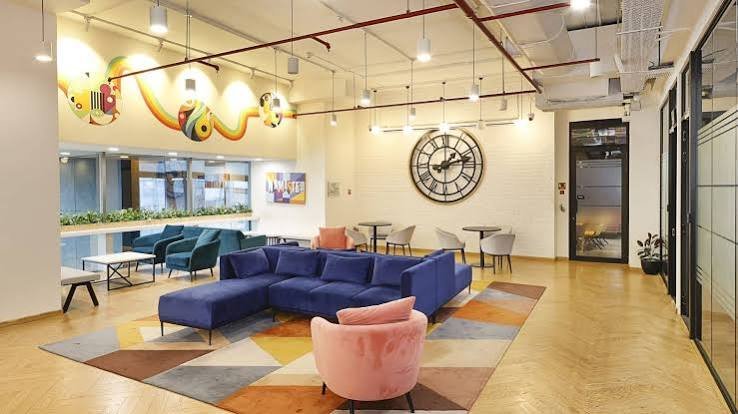
India’s urban economic landscape is undergoing a significant transformation as businesses pivot toward Tier-2 cities to escape the mounting capacity pressures of major metropolitan hubs. According to the latest report by real estate consultancy Vestian, Tier-2 cities have now reached a flexible office stock of approximately 9 million square feet. This expansion marks a strategic shift as companies seek scalable growth, operational efficiency, and sustainability outside of traditional Tier-1 markets.
The report highlights that Tier-2 locations currently host over 575 centers, accounting for nearly 29% of the nation’s total flex centers and over 9% of the pan-India flex stock. Ahmedabad leads this regional distribution with a 22.7% share, followed by Kochi at 10.2% and Indore at 10.1%. Other significant contributors include Jaipur, Coimbatore, and Lucknow, as flex operators consistently expand into these high-growth urban corridors to capitalize on their growing allure.
A primary driver for this migration is the substantial cost advantage, with flex spaces in non-metro cities offering a cost arbitrage of up to 50% compared to metropolitan areas. This financial incentive has particularly attracted Global Capability Centers (GCCs), with more than 200 companies already establishing over 300 GCC bases across major Tier-2 cities. While the IT-ITeS sector remains the dominant demand driver, the report notes that 16% of GCC bases in these markets now operate from flexible workspaces, signaling that flex options have become a preferred choice for multinational operations.
Despite the growth, a gap remains in the availability of premium infrastructure. Currently, only 60% of flex centers in Tier-2 cities are housed in dedicated office buildings, and a mere 26% are situated in Grade-A assets. However, GCCs are leading the push for quality, with over 53% of their flex centers located in Grade-A buildings and 19% operating from green-certified spaces. This trend indicates that high-quality, ESG-aligned real estate is becoming the primary catalyst for future growth in these markets.
Commenting on the shift, Shrinivas Rao, FRICS, CEO of Vestian, emphasized the long-term impact of this decentralization on the national economy. “The rise of Tier-2 cities is a defining shift in India’s expansion strategy. As infrastructure improves and flex ecosystems mature, the decentralization of GCCs will become a cornerstone of the Viksit Bharat 2047 vision,” Rao said.