The Rise of Flexible Workspaces in Tier 1 & Tier 2 Cities
By Ms. Saroj Mittal, Founder, Ofis Square

India’s workplace ecosystem is undergoing a fundamental shift. What was once dominated by long-term leases and static office environments is now being redefined by agility, scalability, and experience-led design. At the centre of this transformation is the rapid rise of flexible workspaces—not just in Tier 1 cities, but increasingly across Tier 2 markets.
While metropolitan hubs like Delhi NCR, Mumbai, and Bengaluru initially drove the coworking movement, the narrative has expanded significantly. Today, cities such as Jaipur, Indore, Kochi, and Ahmedabad are emerging as strong growth engines for flexible workspaces, supported by improved infrastructure, digital connectivity, and a rising entrepreneurial ecosystem.
One of the key drivers behind this shift is cost optimisation. Businesses are increasingly realising that operating solely out of metro cities is no longer efficient. Tier 2 cities offer significantly lower real estate costs, access to untapped talent pools, and a better quality of life—making them ideal for expansion through a hub-and-spoke model.
At the same time, enterprise demand for flexibility has surged. According to industry estimates, flexible workspace stock in India is expected to cross 100 million sq. ft. in 2026, highlighting how integral this segment has become to the commercial real estate landscape.
Interestingly, Tier 2 cities are no longer peripheral to this growth—they are central to it. Flexible workspace adoption in these markets has seen a sharp rise, with leasing activity increasing significantly and contributing a growing share to overall office absorption.
This evolution is also being driven by changing workforce expectations. Professionals today seek more than just a desk—they value flexibility, reduced commute times, and access to collaborative environments. Flexible workspaces address these needs by offering plug-and-play offices, day passes, and scalable solutions that align with modern workstyles.
From startups and freelancers to large enterprises and Global Capability Centres (GCCs), organisations are embracing flexible workspaces as a strategic enabler rather than a temporary solution. In fact, the sector is projected to grow nearly threefold to a $9–10 billion market by 2028, underlining its long-term relevance.
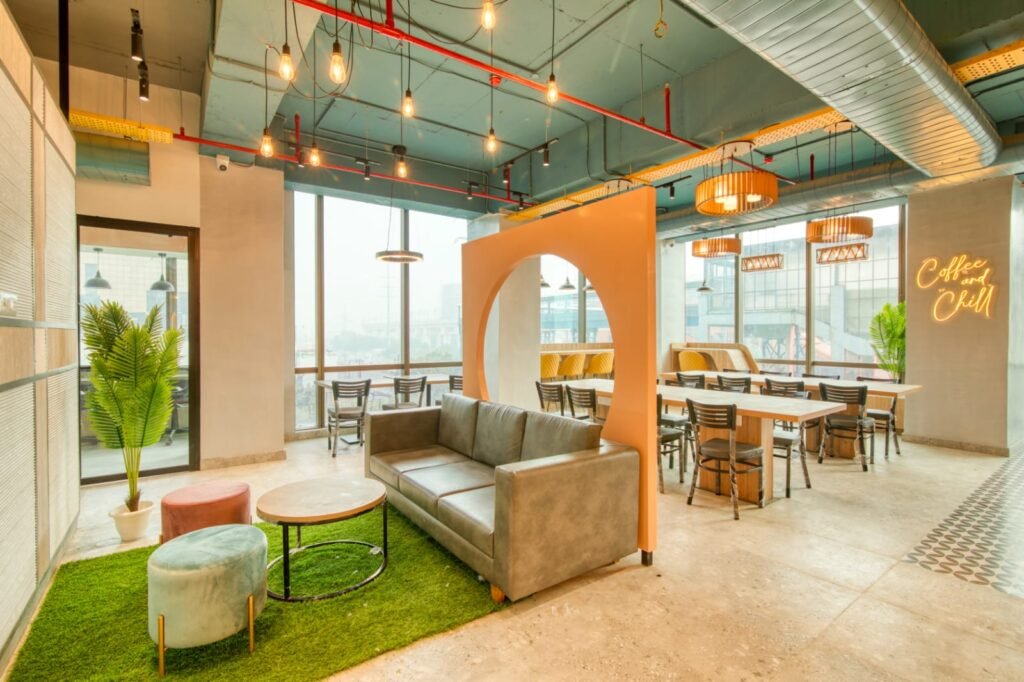
At Ofis Square, this shift is reflected in the growing demand for agile workspace solutions across Delhi NCR and beyond. The emergence of offerings such as on-demand day passes and customised managed offices highlights how flexibility is no longer a trend—it is the new standard.
As India’s economic growth decentralises and new business hubs emerge, flexible workspaces will continue to bridge the gap between aspiration and accessibility—reshaping how, where, and why we work.