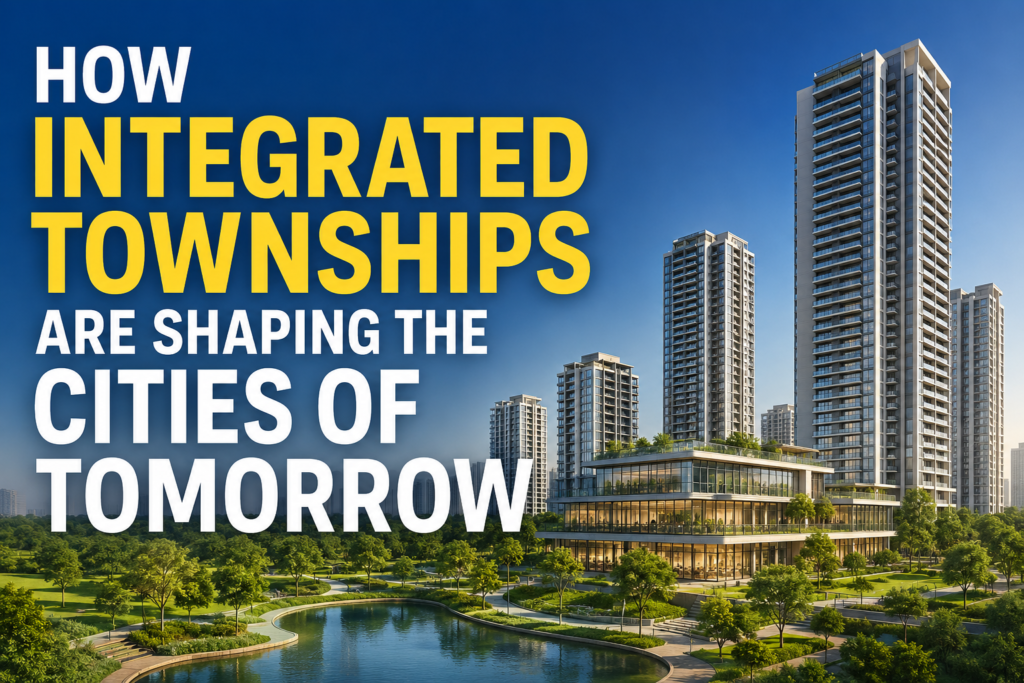
How Integrated Townships Are Shaping the Cities of Tomorrow
India’s urban landscape is undergoing a profound transformation. With rapid population growth, increasing migration to cities, and rising aspirations for a better quality of life, traditional urban planning models are struggling to keep pace. In response, integrated townships are emerging as a powerful solution—redefining how cities are built, experienced, and sustained.
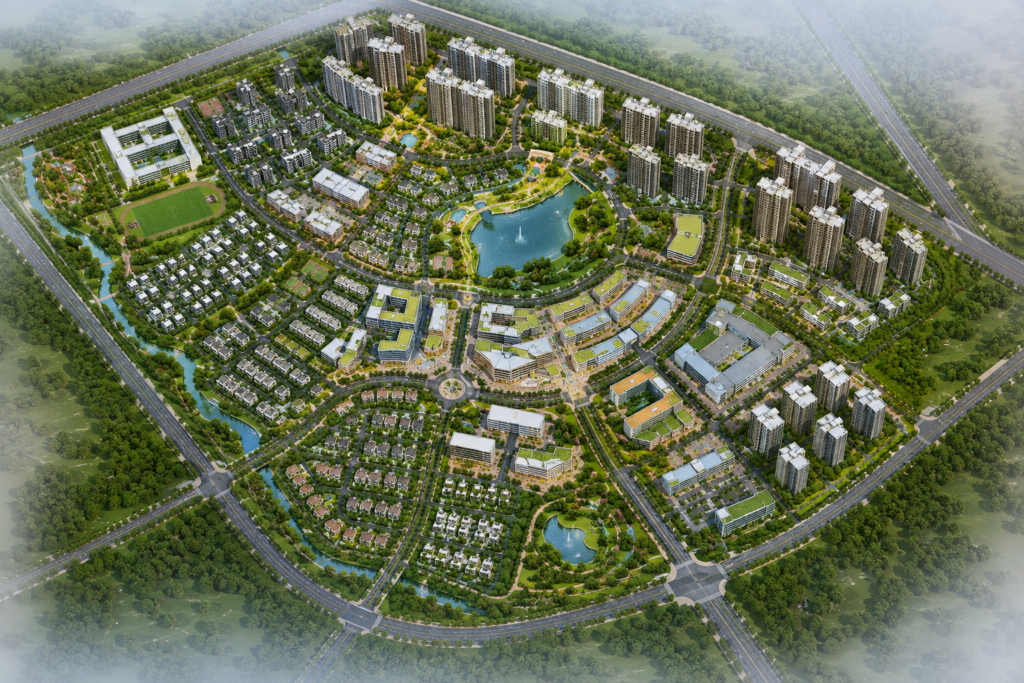
These self-sufficient ecosystems combine residential, commercial, retail, educational, healthcare, and recreational facilities within a single, well-planned development. More than just real estate projects, integrated townships represent a shift toward holistic urban living, where convenience, sustainability, and community coexist seamlessly. As India looks toward building future-ready cities, integrated townships are playing a pivotal role in shaping that vision.
What Are Integrated Townships?
Integrated townships are large-scale developments designed to provide everything residents need within a defined geographical area. Unlike standalone residential complexes, these townships are built with a long-term vision of creating mini-cities that function independently yet remain connected to the larger urban fabric.
They typically include housing units, office spaces, schools, hospitals, shopping centers, entertainment zones, parks, and essential civic infrastructure. The idea is simple yet transformative: reduce dependency on external infrastructure and create a balanced ecosystem where people can live, work, and thrive without long commutes or fragmented services.
The Shift from Fragmented Cities to Holistic Living
Traditional cities often evolve in a fragmented manner, with residential, commercial, and industrial zones developing independently. This leads to issues such as traffic congestion, infrastructure strain, pollution, and reduced quality of life.
Integrated townships address these challenges by adopting a planned and cohesive approach. By bringing essential services closer to residents, they significantly reduce travel time, improve work-life balance, and enhance overall efficiency.
For instance, having offices, schools, and healthcare facilities within walking or short driving distance not only saves time but also reduces carbon emissions. This integrated approach is particularly relevant in densely populated urban centers where infrastructure is already under pressure.
Driving Sustainable Urban Development
Sustainability lies at the heart of modern integrated townships. Developers are increasingly incorporating green building practices, renewable energy solutions, water conservation systems, and waste management technologies into their projects.
Features such as rainwater harvesting, solar power generation, energy-efficient buildings, and green landscaping are no longer optional—they are becoming standard. These initiatives not only reduce the environmental impact of large developments but also create healthier living environments for residents.
Moreover, integrated townships often allocate significant space to open areas, parks, and green zones. This focus on nature helps counter the concrete-heavy nature of traditional urban expansion and contributes to improved air quality and mental well-being.
The Rise of the “Live-Work-Play” Concept
One of the defining characteristics of integrated townships is the “live-work-play” model. This concept is reshaping urban lifestyles by eliminating the need to travel long distances for work, leisure, or daily necessities.
Residents can live in modern homes, work in nearby office spaces, shop at retail centers, and enjoy recreational facilities—all within the same township. This not only enhances convenience but also fosters a sense of community and belonging.
The COVID-19 pandemic further accelerated the demand for such developments. With remote and hybrid work becoming more common, people are seeking environments that offer flexibility, comfort, and access to essential services without stepping too far from home.
Boosting Infrastructure and Connectivity
Integrated townships often act as catalysts for infrastructure development in their surrounding areas. Large-scale projects attract investments in roads, public transport, utilities, and social infrastructure, benefiting not just residents but also nearby communities.
Developers typically collaborate with government bodies to ensure seamless connectivity to major highways, metro networks, and business districts. As a result, these townships often become new urban hubs, driving economic activity and regional growth.
In cities like Gurugram, Pune, Bengaluru, and Hyderabad, integrated townships have played a key role in expanding urban boundaries and creating new centers of development.
Enhancing Quality of Life
Quality of life is one of the biggest advantages offered by integrated townships. With thoughtfully designed layouts, modern amenities, and a focus on safety and security, these developments provide a superior living experience compared to conventional housing.
Key features often include:
- Gated communities with advanced security systems
- Well-maintained roads and infrastructure
- Access to quality education and healthcare
- Sports and recreational facilities
- Community centers and cultural spaces
These elements contribute to a more balanced and fulfilling lifestyle, particularly for families and working professionals.
Economic and Investment Potential
From an investment perspective, integrated townships offer strong long-term value. Their comprehensive infrastructure, strategic locations, and growing demand make them attractive to both end-users and investors.
Properties within such developments often witness better appreciation due to the sustained demand for well-planned living spaces. Additionally, the presence of commercial and retail components ensures continuous economic activity, further boosting property values.
As urbanization continues, integrated townships are expected to remain a key driver of real estate growth in India, offering stable and scalable investment opportunities.
Challenges and Considerations
While integrated townships offer numerous benefits, they are not without challenges. Large-scale developments require significant capital investment, long gestation periods, and complex regulatory approvals.
Land acquisition, infrastructure planning, and coordination with multiple stakeholders can also pose hurdles. Moreover, ensuring affordability remains a critical concern, as many integrated townships cater primarily to mid-to-high income segments.
To maximize their impact, developers and policymakers must work together to make these developments more inclusive and accessible, ensuring that the benefits of integrated living reach a broader population.
The Role of Technology in Future Townships
Technology is set to play an even bigger role in the evolution of integrated townships. Smart infrastructure, IoT-enabled services, and digital governance systems are transforming these developments into intelligent ecosystems.
Features such as smart traffic management, automated waste collection, energy monitoring, and app-based community services are becoming increasingly common. These innovations not only enhance efficiency but also improve the overall resident experience.
As India moves toward building smart cities, integrated townships are likely to serve as testing grounds for advanced urban technologies.
The Future Outlook
The future of urban development in India will be shaped by the need for sustainability, efficiency, and inclusivity. Integrated townships align perfectly with these goals, offering a scalable model for building future-ready cities.
With increasing government support, rising consumer demand, and advancements in technology, the adoption of integrated township developments is expected to accelerate in the coming years.
They are not just addressing current urban challenges but also setting new benchmarks for how cities should be designed—prioritizing people, environment, and long-term growth.
Conclusion
Integrated townships are more than just a trend—they are a transformative approach to urban living. By combining residential, commercial, and social infrastructure within a single ecosystem, they offer a sustainable and efficient solution to the complexities of modern cities.
As India continues its journey toward urbanization, these developments will play a crucial role in shaping the cities of tomorrow. They represent a vision where convenience meets sustainability, and where communities thrive in well-planned, future-ready environments.
In essence, integrated townships are not just building homes—they are building the foundation for smarter, greener, and more livable cities.