The Rise Of Lifestyle Hospitality: India Enters Its Experience Economy Era

The Rise Of Lifestyle Hospitality: India Enters Its Experience Economy EraNew Delhi, July 14, 2026: Over the past two decades, rising incomes in India largely translated into higher spending on homes, automobiles, and consumer goods. Today, however, a different set of aspirations is beginning to shape consumption patterns across the country. Increasingly, Indian consumers are placing greater value on experiences over physical possessions, with travel, wellness retreats, culinary exploration, and destination-led getaways becoming an integral part of modern lifestyles, say leading real estate developers.
According to a report by CBRE, spending on experiences is expected to outpace expenditure on physical goods between 2025 and 2030, reflecting a deeper, structural shift in consumer behavior as disposable incomes rise and premiumization gathers pace.
As consumer preferences evolve, the hospitality sector is undergoing a fundamental transformation. Hotels are no longer competing solely on location or inventory; instead, they are increasingly differentiating themselves through experiences that are immersive, personalized, and emotionally engaging. From lifestyle properties that seamlessly blend design, gastronomy, and local culture to boutique destinations and hybrid formats that combine wellness, work, and leisure, the sector is expanding well beyond the conventional idea of accommodation.
The CBRE report highlights that younger travelers, particularly Gen Z, are gravitating towards visually distinctive and curated spaces that offer more than just a place to stay. They highly value personalized service and seek communal experiences ranging from live performances to local cultural engagements. Fueled by this demand, lifestyle hotels recorded an impressive 19% Compound Annual Growth Rate (CAGR) between 2015 and 2025. This momentum is projected to continue through 2030, with lifestyle hotel supply expected to grow at 10% annually, comfortably outstripping the growth rate of the broader hotel market.
Another defining characteristic of India’s experience economy is the growing preference for travel that prioritizes well-being, meaningful connections, and a slower pace of life. Wellness retreats, digital detox escapes, culinary journeys, and community-led experiences are increasingly resonating with travelers seeking more than fleeting vacations. The rise of workations and longer stays is further blurring the boundaries between leisure and everyday life, giving rise to a more experiential form of luxury rooted in comfort, authenticity, and personal enrichment. Consequently, developers and hospitality brands are rethinking how destinations are conceived, shifting their focus from standalone assets to integrated ecosystems that seamlessly bring together hospitality, retail, entertainment, and wellness.

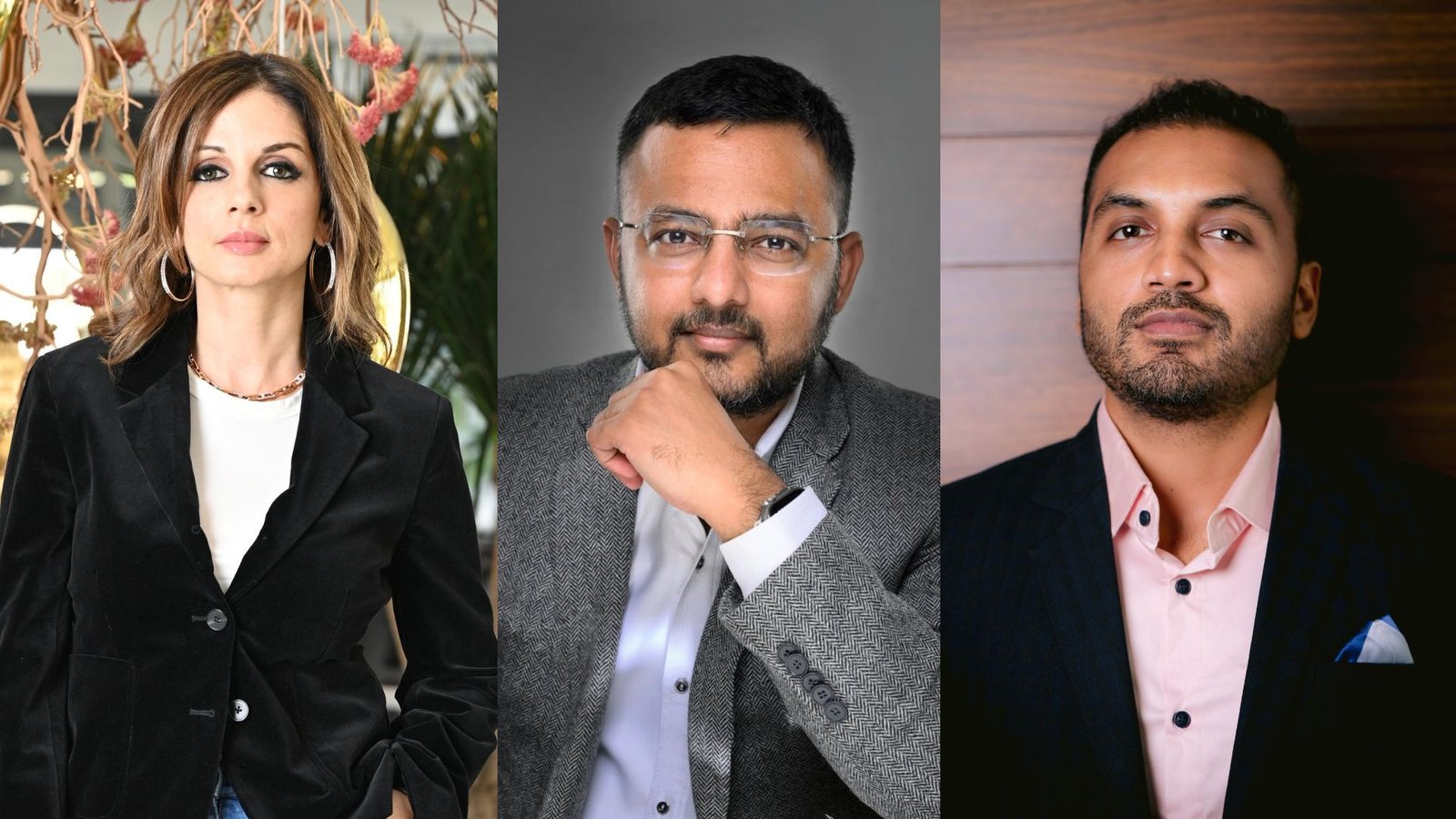
Nandini Taneja, CEO, Bhumika Enterprises, says, “The expectations of travellers have changed significantly over the last few years. People are no longer looking at hospitality merely through the lens of convenience; they are seeking experiences that feel distinctive and memorable. Whether it is wellness-led retreats, culturally immersive stays or properties that seamlessly blend leisure with lifestyle, the emphasis has shifted towards meaningful experiences. Consumers today value authenticity and personalization as much as comfort. This shift is also redefining how hospitality assets are conceived, with brands increasingly focusing on creating destinations and communities rather than simply offering accommodation. In many ways, hospitality is becoming an extension of modern lifestyles and aspirations.”
Moreover, the rise of experiential travel is redefining the role of hospitality in regional development, with destination-led growth emerging as a powerful economic driver. Spiritual and cultural centers such as Shirdi, Ayodhya, Varanasi, and Rishikesh are gradually evolving beyond their traditional identities to become vibrant tourism ecosystems supported by improving infrastructure and rising visitor inflows. Pilgrimage tourism, once characterized by short visits, is increasingly giving way to longer stays and more immersive experiences, creating sustained demand for local hospitality, retail, and leisure offerings.

Neeraj Gulati, Managing Director, Assotech Realty, says, “Hospitality has evolved into much more than a support infrastructure for tourism; it has become an important catalyst for regional development. Markets like Shirdi are a compelling example of how destination-led hospitality can transform local economies. Better accommodation, experiential offerings and improved connectivity encourage visitors to stay longer, which in turn creates opportunities for retail, food and beverage, local businesses and employment generation. There is a virtuous cycle where hospitality is strengthening the overall economic ecosystem of a region. As destinations mature, they begin attracting investments and consumer spending that extend far beyond tourism itself.”
Ultimately, the next chapter of India’s hospitality sector is set to be shaped less by physical inventory and more by the distinct experiences it creates. As the nation transitions from a consumption model centered on ownership to one increasingly defined by aspirations, emotions, and shared memories, lifestyle hospitality is emerging as one of the most significant beneficiaries of this transformative era.