The Changing Face of NCR’s Commercial Market: What Will Drive the Next Phase of Growth

Dr. Amish Bhutani, Managing Director, Group 108
Over the years, the performance of the NCR commercial real estate market has been very closely linked to its location. Being located close to business areas, connectivity to urban nodes, access to talent and having a good corporate ecosystem have been the traditional drivers of the success of commercial locations. Although these factors still hold their importance, new measures for commercial success are taking shape. As NCR moves on into its next phase of development, the focus of businesses is moving from mere location to evaluating the wider ecosystem that a commercial destination can offer.
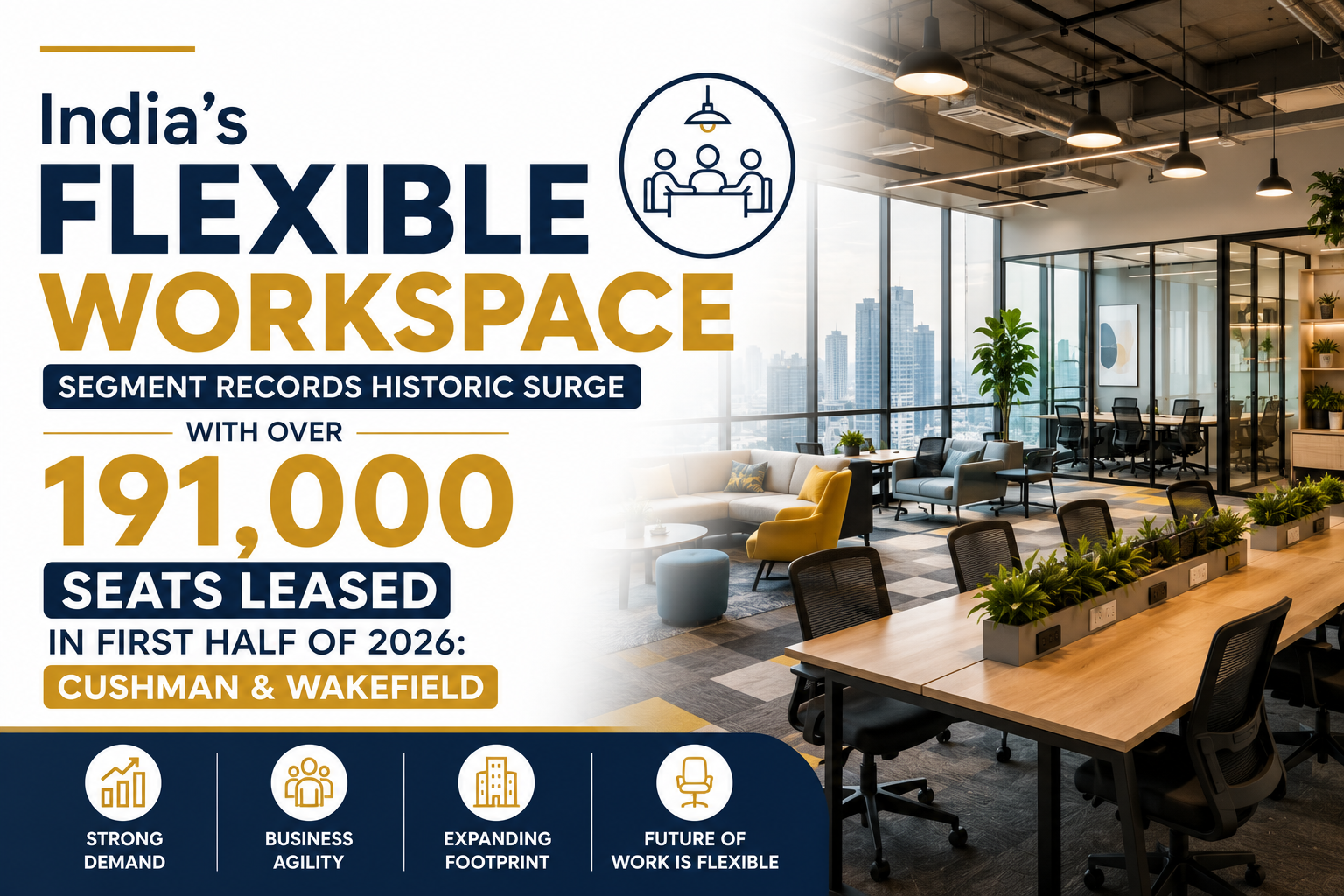
This evolution is shown in the resilience and diversification of occupier demand across the region. According to Cushman & Wakefield, NCR recorded approximately 4.1 million sq ft of office leasing in Q2 2026, with Gurugram continuing to remain the dominant office market, while Delhi Aerocity and the Noida Expressway also witnessed strong propulsion. The changing distribution of demand highlights an important shift: NCR’s commercial opportunity is increasingly extending beyond established business districts towards emerging corridors that can offer scale, connectivity and high-quality infrastructure.
At the same time,the needs and expectations of occupiers are becoming increasingly dynamic and forward-looking . For multinational corporations and Global Capability Centres, the decision to establish or expand operations is increasingly influenced by the availability of skilled talent, quality Grade A infrastructure, ease of access, employee experience and the ability of a location to support long-term business growth. NCR’s approximately 2.37 million sq ft of GCC leasing during H1 2026 according to Cushman & Wakefield, underlines the region’s continued relevance for global businesses and reinforces the importance of creating commercial environments that can meet these evolving requirements. https://www.cushmanwakefield.com/en/india/news/2026/07/india-office-market-growth-in-q2-2026
This changing demand profile is also reshaping NCR’s commercial geography. As established markets mature, the next wave of growth is increasingly being supported by corridors where connectivity, residential catchments, talent availability and new commercial infrastructure converge. The Noida-Greater Noida region is a strong example of this transformation. The Noida Expressway, in particular, is emerging as an important commercial corridor, supported by its connectivity to Delhi, Noida and Greater Noida, as well as access to a large and growing talent pool. Further, the availability of new Grade A developments is strengthening its appeal among businesses seeking modern, efficient and future-ready workplaces.
Moreover, Infrastructure will play an equally important role in shaping this next phase. The development of Noida International Airport is expected to enhance the region’s domestic and global connectivity, while continued improvements in road and metro infrastructure can strengthen links between commercial destinations and surrounding residential catchments. Importantly, infrastructure is no longer simply improving access to existing business hubs; it is helping create new commercial catchments and enabling businesses to consider locations that may not have been part of their traditional real estate strategy.
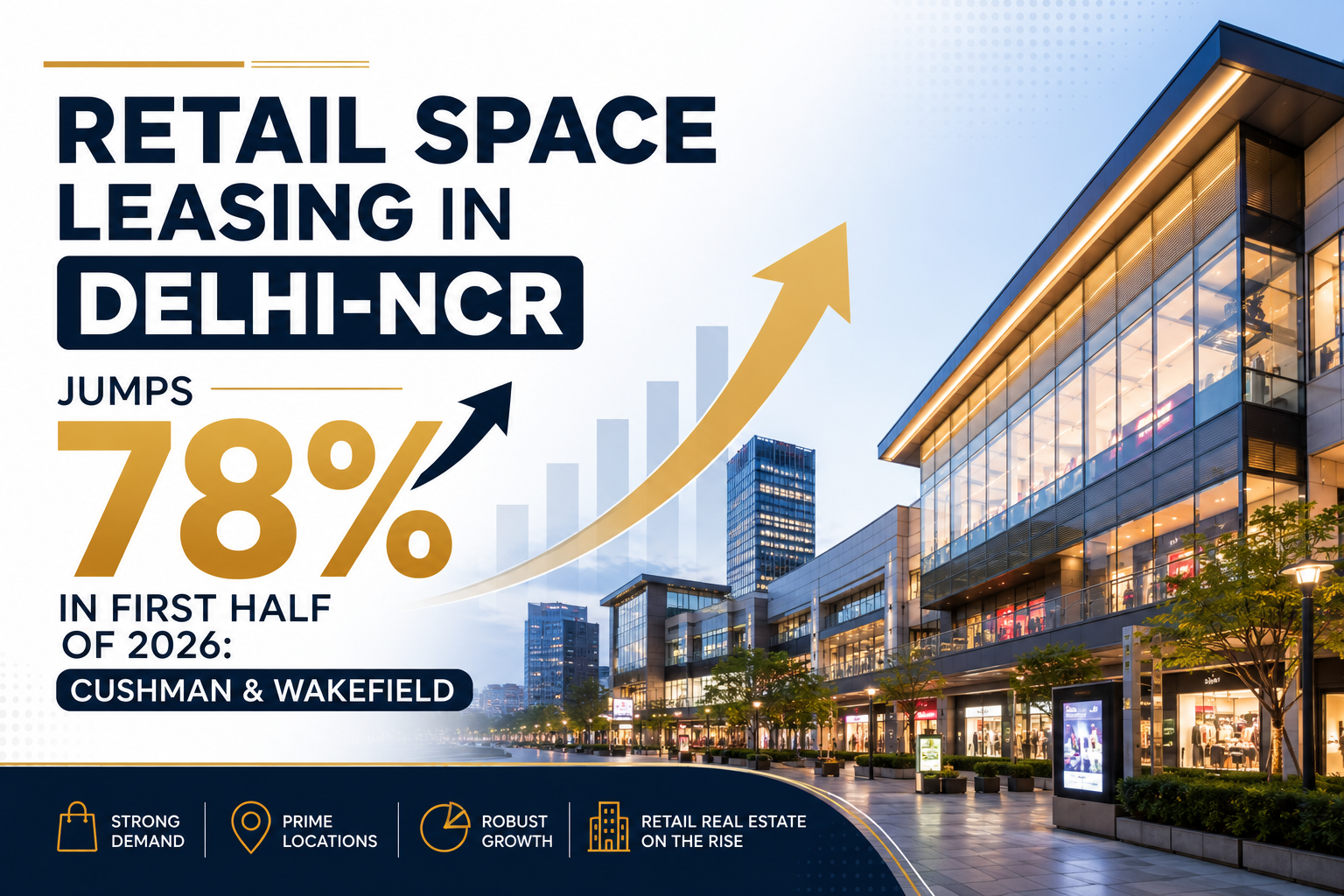
The broadening of NCR’s commercial ecosystem is visible beyond the office sector as well. Retail leasing in the region reached approximately 0.67 million sq ft in Q2 2026, the highest among India’s top eight cities, accounting for 28% of total leasing during the quarter. Demand from fashion, food and beverage, entertainment and lifestyle categories points towards the growing importance of experience-led consumption and the emergence of destinations that bring together work, leisure and social experiences.
Similarly, NCR’s industrial and logistics market is reinforcing the region’s position as a comprehensive commercial ecosystem. The region recorded 8.7 million sq ft of industrial and logistics leasing in H1 2026 which is accounting for 24% of national demand and making NCR the largest market during the period. The strong growth indicates the structural advantages created by its adjacency to major consumption centres, manufacturing clusters and critical transport infrastructure.
These trends point towards a fundamental change in how commercial growth across NCR should be viewed. The opportunity is no longer limited to creating individual office, retail or industrial assets; it increasingly lies in developing integrated ecosystems that can support businesses, employees, consumers and communities. For developers and occupiers alike, this places greater emphasis on connectivity, infrastructure quality, sustainability, employee experience and the ability of a destination to evolve with changing business needs.
Thus, the next phase of NCR’s commercial growth is likely to represent a shift from location-led growth to ecosystem-led growth. Connectivity will remain fundamental, but the most successful commercial destinations will be those that combine accessibility with quality infrastructure, talent, global business connectivity, consumption potential and thoughtfully planned environments. As NCR continues to mature, the definition of a successful commercial address will increasingly extend beyond where a building is located to what the larger ecosystem enables businesses and people to achieve.
Disclaimer: Views expressed in this article are those of the author, and not necessarily of Realtynmore.com.