The Rise of the Enduring Home: Why Luxury Buyers Are Looking Beyond the First Impression
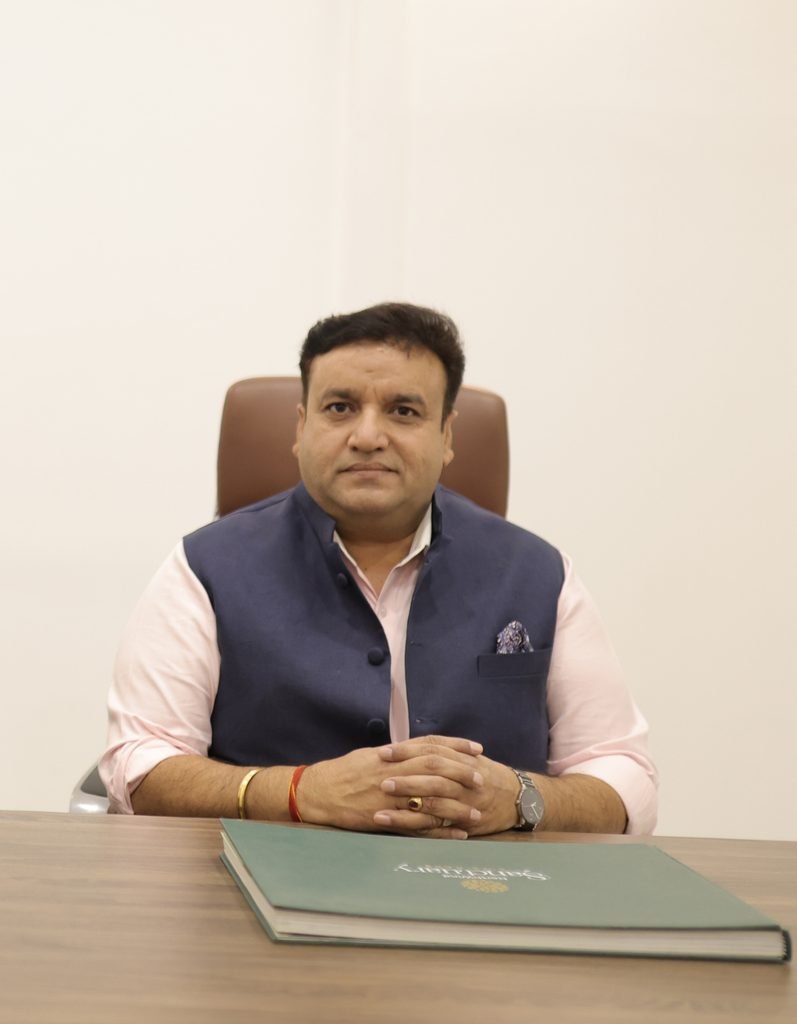
By Manoj Kumar Garg, Chairman, Northwind Estates
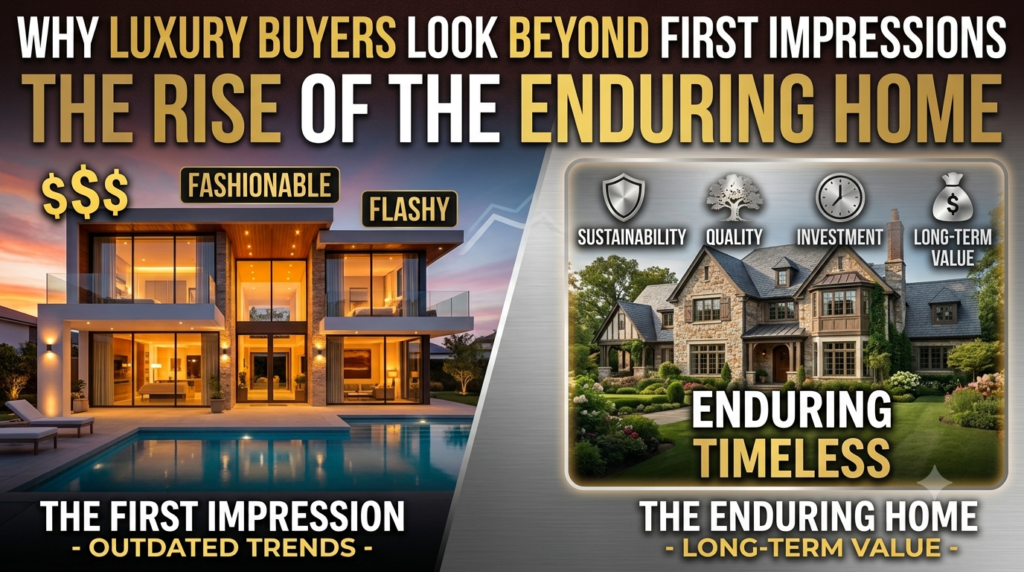
The idea of luxury is often associated with things that are immediately recognisable: an enviable address, dramatic architecture, generous proportions and amenities designed to impress. Yet the priorities of an affluent buyer are becoming more layered. Once the excitement of acquiring a new home settles, what remains is the everyday rhythm of living, and that is where thoughtful planning, lasting quality and a sense of ease begin to carry greater weight.
India’s growing HNI and UHNWI population is also changing the way people look at luxury homes. Knight Frank’s Wealth Report 2026 estimates that India’s UHNWI population has grown 63% between 2021 and 2026, reaching nearly 20,000 individuals with net worths above USD 30 million.
At the same time, according to Q1 2026 research by JLL India, launches priced above ₹1 crore increased by 45% against the previous year. Additionally, launches between ₹1.5–3 crore increased by 134% and sales in this range increased by 67%, while launches above ₹5 crore increased by 42%. The expanding choice is also accompanied by changing expectations.
Meanwhile, Colliers’ 2026 outlook identifies lifestyle- and sustainability-led housing as key demand drivers, with buyers showing greater interest in wellness-focused and experiential living, alongside green homes and smart technologies. Together, these shifts point to a buyer who looks more closely at how a home supports everyday life, rather than relying on its visual appeal alone.
What makes that substance difficult to replicate is its relationship with everyday life. A well-resolved plan anticipates how people move, gather, work and retreat. The kitchen sits naturally within the rhythm of the household; bedrooms retain their sense of privacy; storage is incorporated without overwhelming the interiors; and windows are positioned to draw in light and views with a degree of discretion. Good design often goes unnoticed precisely because it makes living feel instinctive.
The distinction becomes even clearer with time, as surfaces and finishes establish a property’s initial character, while the quality of its construction determines how that character matures. Waterproofing, acoustic performance, glazing, plumbing, electrical infrastructure and material selection all influence comfort long after possession. At this level of housing, craftsmanship is therefore as much about what continues to work as what looks exceptional on the day of handover.
Space, too, is being understood through experience rather than measurement alone. In a dense urban environment, privacy can be created through the positioning of rooms, landscaped edges, setbacks and balconies, giving residents a degree of separation from neighbours while retaining openness. A terrace can become a quiet morning space, a garden can create distance from the city and a well-oriented living area can bring natural light deep into the home. These qualities give square footage a more meaningful purpose.
That connection with the outdoors becomes particularly valuable in cities where open space is increasingly precious. Mature planting, shaded pathways and carefully planned gardens can soften the built environment, while daylight and ventilation influence the atmosphere indoors. When greenery is integrated into the overall planning, it becomes part of the setting in which people live rather than an amenity encountered occasionally.
Perhaps the strongest measure of a home’s intelligence appears when circumstances change. The household that moves in today may look very different several years from now. Children grow, professional routines evolve, parents may become part of the household and rooms take on new functions. Flexible spaces allow the architecture to accommodate these transitions with greater ease. A prestigious location can establish desirability, architecture can give a property its identity and amenities can enrich daily life. Their lasting significance, however, depends on whether the underlying environment continues to serve its occupants well as their needs change.
Ultimately, true luxury has a longer lifespan than a first impression. It is found in a home that continues to feel considered years after it was chosen, because the things that make it valuable were designed to last.
Disclaimer: Views expressed in this article are those of the author, and not necessarily of Realtynmore.com.