CII IGBC Green Bengal Summit 2026 Deliberates on Future-Proofing Bengal’s Built Landscapes
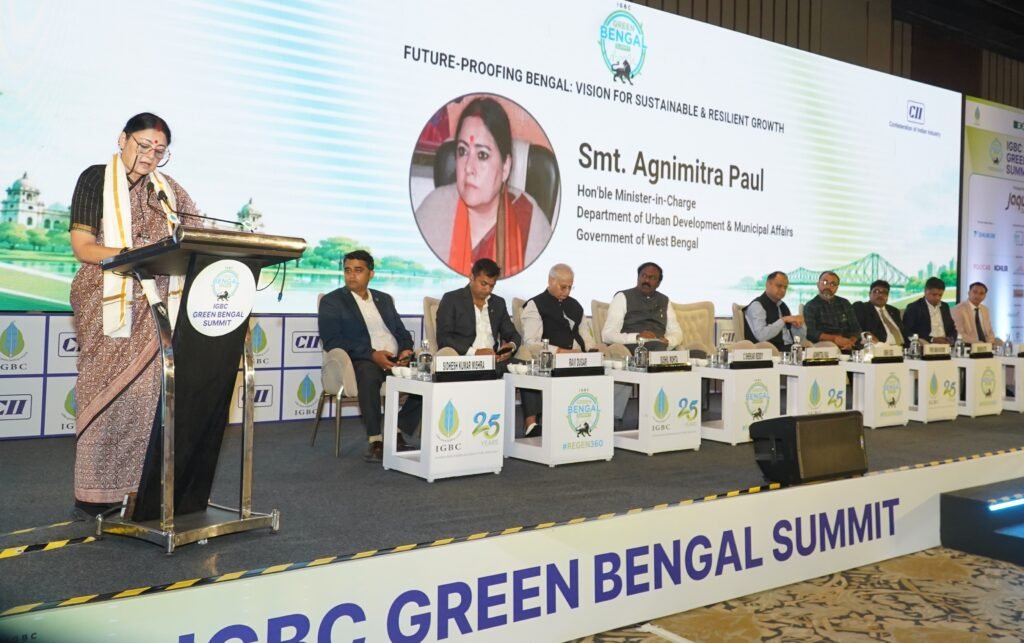
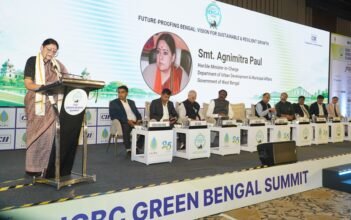
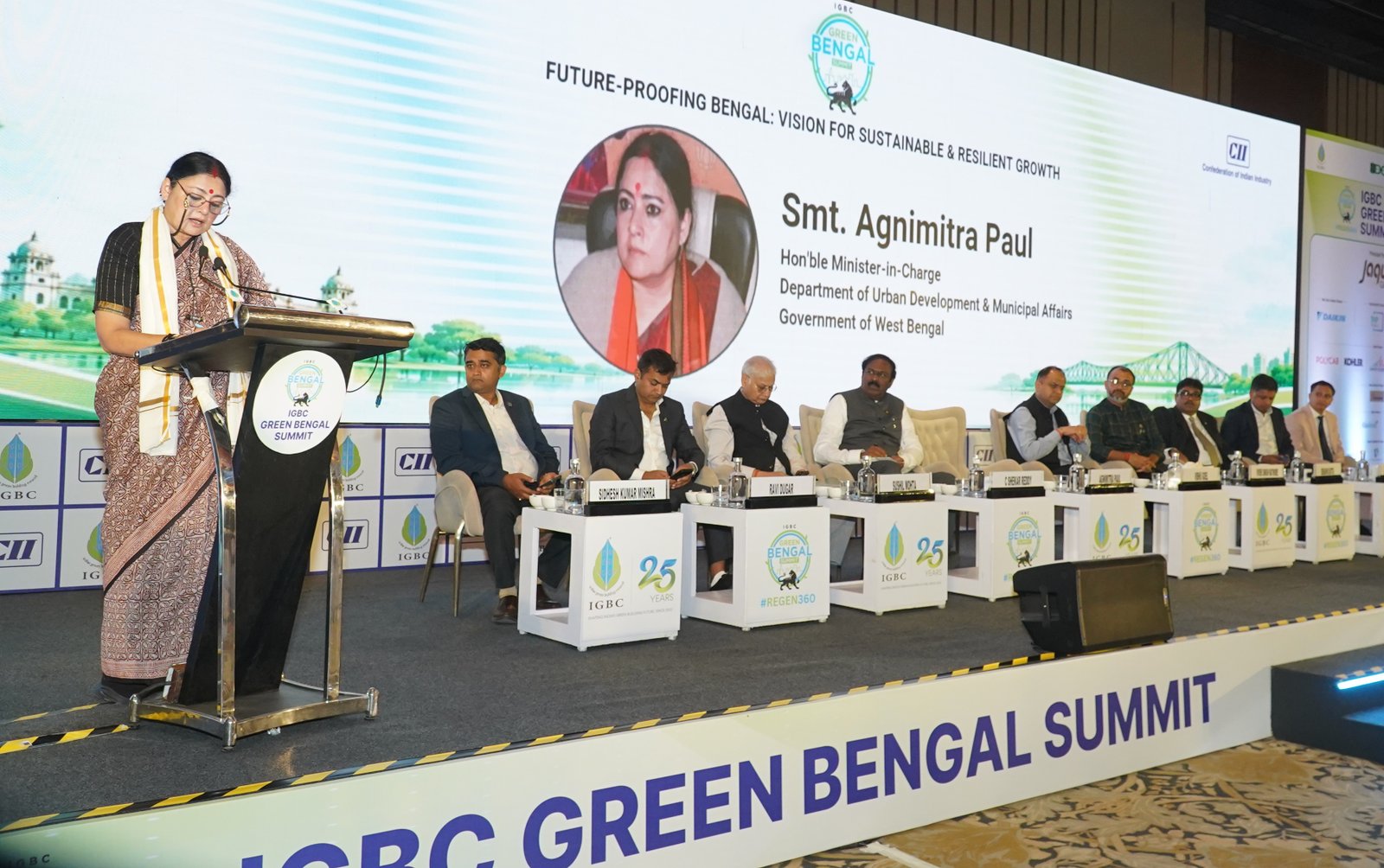
Kolkata, November 14, 2026: The Confederation of Indian Industry’s Indian Green Building Council (CII IGBC) organised the Green Bengal Summit 2026 at Taj Taal Kutir in Kolkata to deliberate on advancing sustainable and climate-resilient development across West Bengal, according to a press release issued by the organisers. Anchored around the theme “Future-Proofing Bengal: Vision for Sustainable & Resilient Growth,” the event convened policymakers, urban planners, architects, developers, and sustainability experts to discuss integrated climate-resilient growth, urban regeneration, and Net Zero carbon pathways.

Addressing the inaugural session, Agnimitra Paul, Minister-in-Charge, Department of Urban Development & Municipal Affairs, Government of West Bengal, stressed the need to integrate environmental responsibility into urban planning amid rapid urbanisation and climate challenges. “Economic development and ecological responsibility must move hand in hand. Future-proofing Bengal requires us to ensure that every building, road and township planned today is equipped to withstand the environmental realities of tomorrow. Our focus is on taking the green city blueprint beyond Kolkata to emerging urban centres such as Durgapur, Asansol, Howrah and Siliguri,” she said, calling on industry, developers, and citizens to become active partners in strengthening waste management and adopting Net Zero buildings.
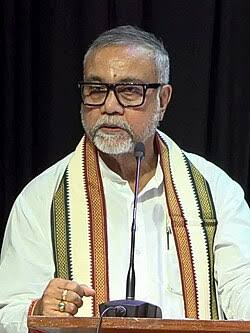
Tapas Roy, Minister-in-Charge, Department of Industry, Commerce & Enterprises; Department of Public Enterprises & Industrial Reconstruction; and Department of Non-Conventional & Renewable Energy Sources, Government of West Bengal, underscored the balance between industrial expansion and ecological care during a special address. “Industrial development and environmental responsibility must go hand in hand. Sustainability should not be viewed merely as a regulatory obligation but as an opportunity for innovation, efficiency, competitiveness and long-term value creation,” he stated, noting the vital role of young innovators and businesses in building greener cities.
Highlighting New Town as a model ecosystem, Vibhu Goel, Managing Director, WBHIDCO Limited, noted, “Future-proofing is no longer an additional feature of urban development; it is an essential economic and environmental prerequisite.” He added that WBHIDCO’s strategy incorporates Sponge City principles, passive cooling, building retrofits, and renewable energy integration.
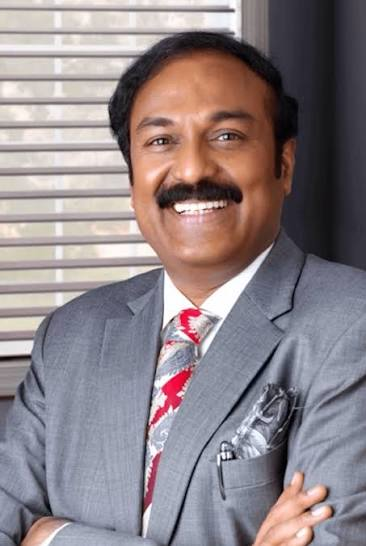
Meanwhile, C Shekar Reddy, National Chairman, CII Indian Green Building Council, emphasized expanding green building adoption to Tier-II and Tier-III cities. “We believe that every stakeholder participating in this movement can contribute towards developing at least one Net Zero or green retrofit project over the next 12 months. Together, we can position West Bengal as a leading example of sustainable development,” he said.
The summit also featured technical sessions on green retrofits, energy efficiency, and grassroots solutions from the Green Bengal Innovation Challenge, attended by Vivek Singh Rathore, Chairman, IGBC Kolkata Chapter, Shivraj Dhaka, Principal Counsellor, CII IGBC, Apurva Salarpuria, President, CREDAI Kolkata, Sushil Mohta, President, CREDAI Bengal, Debashis Dutta, Chairman, CII Eastern Region Committee on Logistics & Infrastructure, and Ravi Dugar, Co-Chairman, IGBC Kolkata, the press release added.