The New Density Debate: Can India’s Cities Build More Homes Without Compromising Liveability?


By Manoj Kumar Garg, Chairman, Northwind Estates,
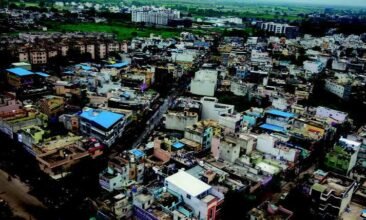
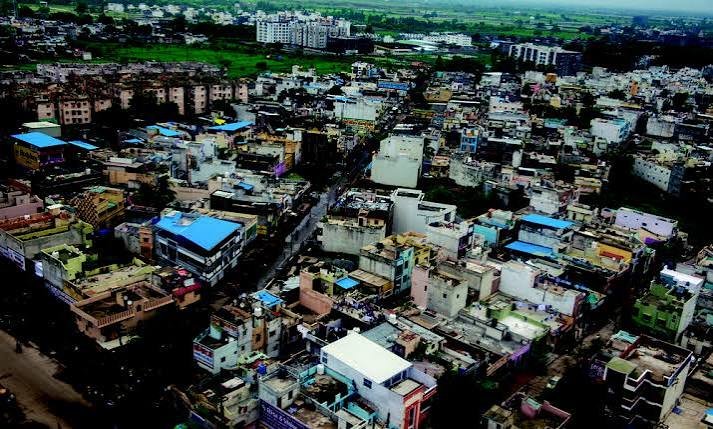
For years, India’s cities have attracted people with the promise of better jobs, greater opportunities and a more comfortable life. As populations grow and skylines rise, however, the experience of urban living increasingly depends on what lies beyond the walls of an apartment: the time spent commuting, the reliability of civic services and the availability of open spaces. Residential construction continues to reshape the urban landscape, but the value of a home is inseparable from the environment in which it stands. Consequently, the aspirations driving India’s housing market are becoming closely intertwined with the way its cities use land and organize everyday life.
This connection is particularly visible in the growing preference for luxury and premium residences. Alongside, buyers’ willingness to trade up for larger homes and better amenities indicate an increasing importance on comfort, privacy and lifestyle. While this trend is most evident among affluent households while the desire for a better living environment extends across income groups. Increasingly, for developers, meeting these expectations often involves providing more private space and shared facilities, both of which place demands increasingly expensive urban land. As these aspirations change, the challenge of delivering quality homes becomes inseparable from the economics of where those homes can be built.
In turn, land costs shape both the affordability and location of new housing. NITI Aayog’s a Comprehensive Framework to Promote Affordable Housing, published in December 2025, estimates a housing shortage of 5–7 crore units across metropolitan, urban and semi-urban India. With land acquisition adding substantially to project costs, development frequently moves towards peripheral areas where properties may be more affordable but access to employment, public transport and essential services can be limited. Residents can consequently exchange a lower purchase price for longer commutes and greater dependence on private vehicles and making better use of existing urban land becomes an important part of making housing more affordable in practice, rather than merely at the point of purchase.
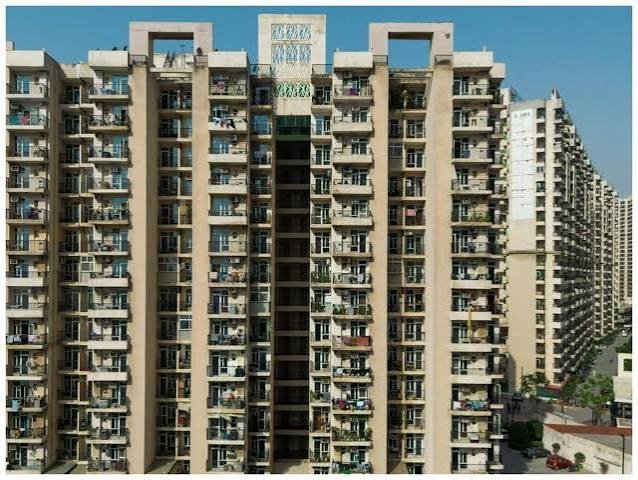
One way to achieve this is through more efficient use of established urban areas. Redevelopment, appropriately calibrated floor-space index norms and mixed-use neighbourhoods can accommodate additional households while bringing residences closer to workplaces, transit corridors and everyday amenities. Importantly, higher density when supported by thoughtful planning can make public transport more viable and reduce the distances people travel each day. At the same time, greater residential capacity brings greater demand for water, sewerage, drainage, electricity and waste management. It also requires civic investment to advance alongside construction. The effectiveness of compact development rests on how well these essential systems respond to the needs of a growing population.
Beyond essential services, the physical character of a neighbourhood determines how comfortably residents experience a densely populated environment. Along with parks, shaded pavements, tree-lined avenues and accessible playgrounds provide room for recreation and social interaction while natural light, ventilation and privacy improve the quality of individual homes. When these elements are incorporated from the outset, density can coexist with greenery, openness and a stronger sense of community. Such an approach also makes neighbourhood quality a shared public benefit and extending the advantages of thoughtful design beyond premium residential developments.
Ultimately, successful urban growth depends on treating the home, the neighbourhood and the wider city as parts of the same system while larger residences may satisfy individual aspirations, but their lasting value is shaped by connectivity, dependable public services and access to open spaces. In this context, planned density can bring these priorities together, allowing more households to share urban land while benefiting from well-designed surroundings and efficient infrastructure. For India’s cities, progress will lie in expanding housing supply in ways that strengthen the urban fabric and making room for a growing population while preserving the comfort, accessibility and environmental quality that give urban life its appeal.
Disclaimer: Views expressed in this article are those of the author, and not necessarily of Realtynmore.com.