NCR Real Estate Market Shifts Focus to Location, Infrastructure, and Experience-Led Retail

New Delhi, October 24, 2026: Housing and retail developments in the National Capital Region (NCR) are undergoing significant transformation, with homebuyers prioritizing project surroundings and retail spaces focusing on overall consumer experiences, according to a press release detailing an ANAROCK Research & Advisory report released by CREDAI.
The Indian real estate market grew to an estimated $600 billion in 2025, up from $120 billion in 2017, while under-construction real estate value rose from $94 billion in 2009 to $503 billion in 2025. Sales value across the top seven cities reached Rs 6.10 lakh crore in FY26, with high-end, luxury, and ultra-luxury homes constituting 45 percent of new supply. NCR accounted for 22 percent of residential sales value across the top nine cities.

“The ANAROCK report’s findings on experience-led retail are particularly relevant to NCR. Entertainment’s share of retail-leasing has risen from just 2% in 2021 to 17% in H1 2026. That change is visible in the way consumers use malls today. A visit is often about meeting friends, dining, watching a film or spending an evening out, with shopping becoming one part of the outing. This is changing the way retail destinations need to be planned. Catchment and connectivity still matter, but the tenant mix and what people can actually do within the destination matter just as much. In NCR, consumers have plenty of choices, so a retail destination has to give them a reason to stay for longer and return again,” said Ravinder Choudhary, Vice President, Vegas Mall.
Organized retail penetration in India stands at 9 percent. Grade A malls in the top seven cities reported a vacancy rate of around 7.5 percent, whereas vacancy in some Grade C malls reached up to 35 percent.

“The ANAROCK report makes an interesting distinction within the retail market: demand exists, but quality retail space remains limited. Grade A malls in the top seven cities had vacancy of around 7.5%, while vacancy in some Grade C malls can be as high as 35%. That difference is particularly relevant to NCR, where a strong consumer base does not automatically make every retail location successful. Catchment, accessibility and the tenant mix have to work together. Consumers are also spending differently, with food, entertainment and lifestyle categories becoming a larger part of the retail experience. For a retail destination, this means understanding what brings people back rather than simply counting the number of stores. In NCR, repeat visits will ultimately depend on relevance and convenience,” said Nandini Taneja, CEO, Bhumika Enterprises.
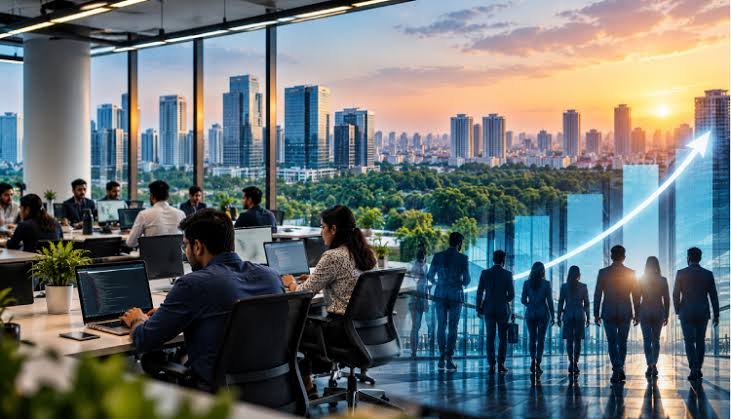
Office demand has similarly evolved, with Global Capability Centres (GCCs) accounting for about 45 percent of office leasing in H1 2026, while IT-ITeS represented 26 percent.

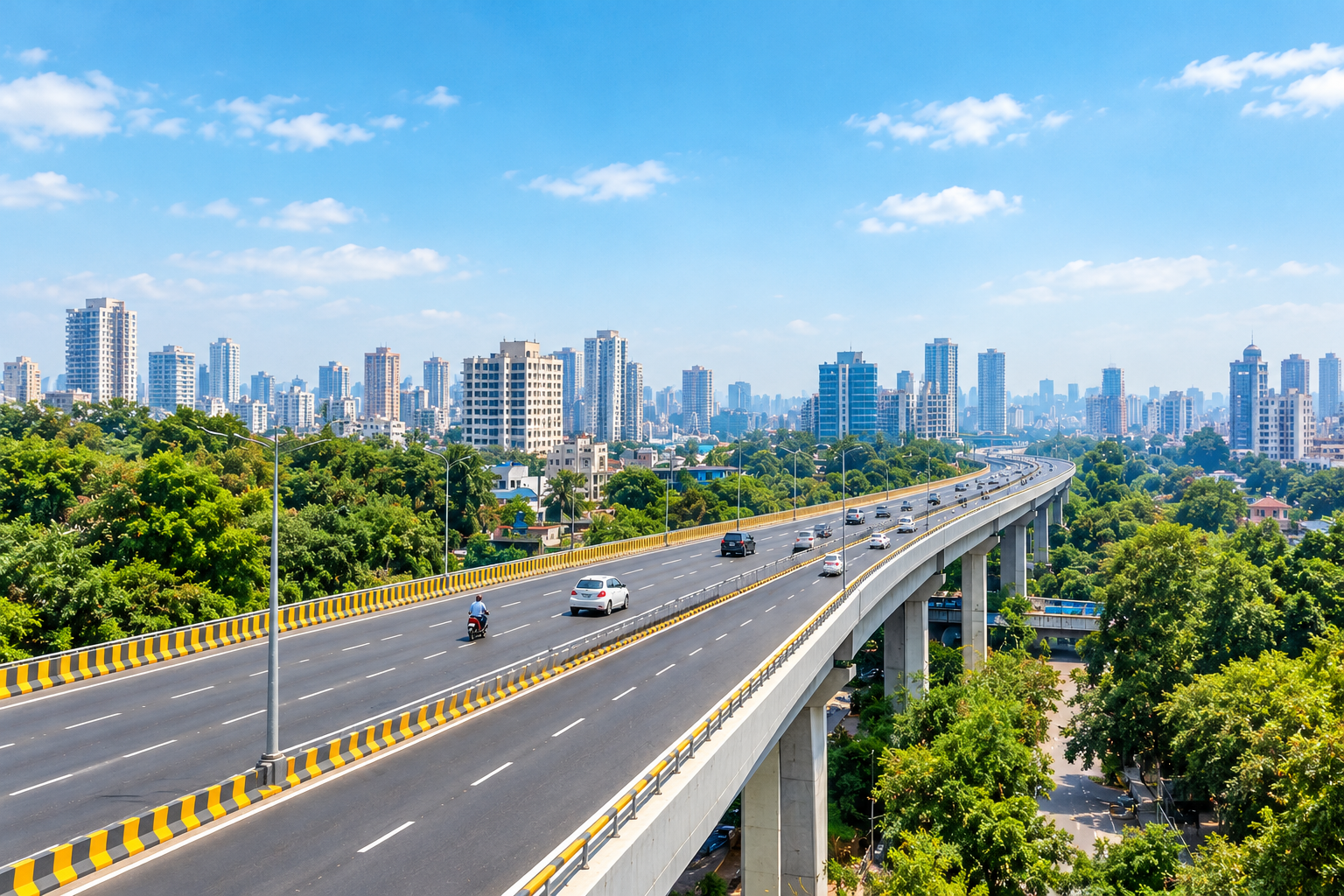
“The latest ANAROCK findings point towards a shift in how housing demand is shaping up, with infrastructure, premiumisation and changing buyer expectations becoming increasingly important. As these trends gain momentum, NCR is also seeing stronger interest in well-connected residential corridors, with Dwarka Expressway emerging as a key destination. Its evolving connectivity and surrounding ecosystem are further strengthening its residential appeal. Going forward, we expect quality, convenience and long-term value to play a greater role in shaping homebuyer decisions,” said Mohit Kalia, Sr. Vice President-Sales & Marketing, HCBS Developments Ltd.
With 40 percent of India’s population projected to live in urban areas by 2036, real estate segments in NCR remain closely linked to urban infrastructure and mobility patterns.