Budget 2026 Positions Tourism & Hospitality as Economic Multiplier, Not Support Sector
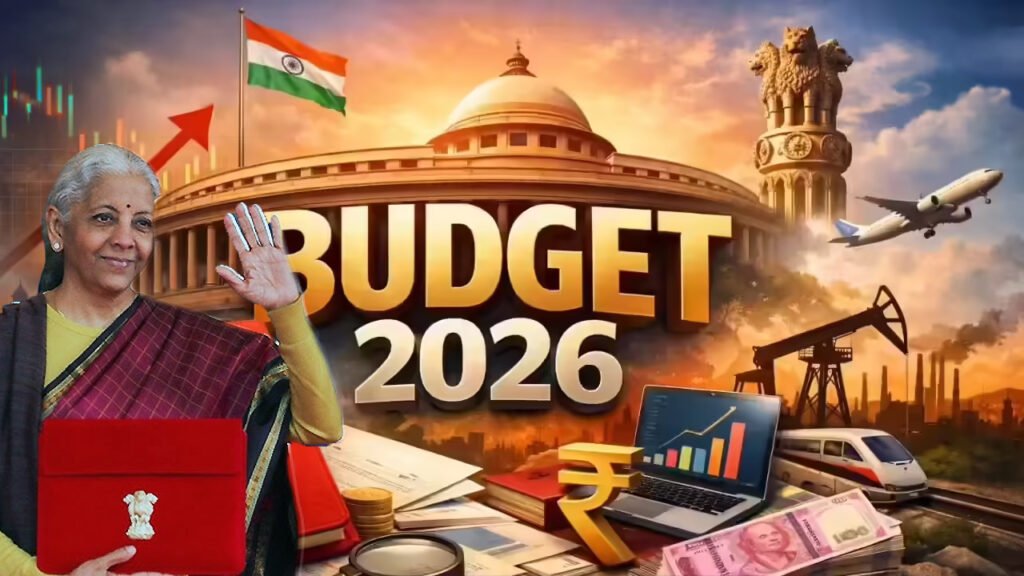
New Delhi, February 3, 2026: The Union Budget 2026 marks a structural shift in how India views tourism and hospitality — from a discretionary services segment to a core economic growth lever. The policy direction signals that tourism is now being aligned with infrastructure expansion, regional development and employment strategy, placing the sector within the broader national growth architecture.
What stands out is not a single announcement, but the integration of skills, connectivity and destination development into a coordinated framework that could reshape India’s hospitality investment landscape over the next decade.
Skilling Becomes Strategic Infrastructure
The proposed National Institute of Hospitality is emerging as one of the most consequential announcements for the sector. While infrastructure funding traditionally dominates Budget narratives, this move acknowledges that human capital is the sector’s most critical constraint.

Yogesh Mudras, MD, Informa Markets in India (organisers of SATTE), says, “The Union Budget 2026 lays out a forward-looking roadmap with a clear focus on infrastructure, economic growth, and better regional connectivity. One of the standout announcements for the sector is the plan to set up a National Institute of Hospitality, a move that could really strengthen India’s tourism and hospitality ecosystem in a meaningful way. By bringing academia, industry, and government onto the same platform, the institute has the potential to create a skilled workforce that matches the evolving expectations of both domestic and international travellers. For hospitality businesses, this could mean higher service standards, smoother operations, and a more reliable long-term talent pipeline. In the bigger picture, initiatives like this tend to build investor confidence, encourage the development of new hotels, resorts, and tourism infrastructure, and further support India’s positioning as a global travel destination. While the industry was also hoping for wider policy measures to make investments easier and simplify operations, this strong push toward skill development still sets a solid foundation for more structured, long-term growth in tourism and hospitality.”
Expanding the Hospitality Map
Equally important is the structured development of 50 destinations in partnership with states, alongside improved connectivity to regions such as Himachal Pradesh and Kashmir. This signals a deliberate push to decentralise tourism demand away from saturated urban and leisure hubs.

Nandini Taneja, Chief Executive Officer, Bhumika Enterprises, says, “The proposal to establish a National Institute of Hospitality is a timely step for India’s hospitality sector, especially in Tier II cities emerging as key travel and business hubs. By bridging academia, industry, and government, the institute can help create a skilled local workforce — critical for the growth of hotels and tourism-led developments. Equally encouraging is the Budget’s push for women-led entrepreneurship through community-owned SHE-Marts, which will give SHG-linked women structured retail access and a pathway to enterprise ownership. This strengthens grassroots economic participation while supporting more inclusive local economies.”
“Together, stronger talent pipelines and inclusive economic initiatives will enhance service standards, improve operational efficiency, and boost investor confidence, accelerating hospitality-led growth in emerging cities and preparing them for rising domestic and international tourism demand,” she adds.

Ambika Saxena, CEO of TWH Hospitality, frames this as a market-expansion story. “The Budget signals a clear shift in positioning tourism as a core economic growth driver rather than a peripheral sector. The structured development of destinations, along with improved connectivity, will expand India’s viable hospitality markets beyond established hubs. With stronger destination infrastructure and a more robust talent pipeline, the industry gains better long-term demand visibility, investment confidence, and the ability to scale sustainably.”
For investors, this means new hospitality micro-markets emerging in regions that were previously constrained by access and ecosystem gaps. Over time, this could support the viability of mid-scale and experiential formats, not just luxury developments.
Connectivity as Demand Multiplier
Rail corridor expansion and better regional connectivity function as direct demand multipliers for tourism. Improved accessibility reduces travel friction, shortens travel cycles, and supports the rise of short-duration leisure and experiential travel — a segment that has seen strong post-pandemic momentum.
This connectivity push also strengthens the economics of hospitality projects in Tier II and scenic regions, where land availability is higher but historical demand predictability has been weaker.
Investor Signalling and the Road Ahead
While industry stakeholders had hoped for broader regulatory simplifications and investment incentives, the Budget’s direction offers something equally critical: policy signalling.
By embedding tourism within national infrastructure, skills and regional development agendas, the government is sending a message that the sector is no longer peripheral. For capital markets and long-term investors, that reduces policy uncertainty and improves the sector’s structural growth visibility.
In effect, Budget 2026 does not deliver a short-term demand stimulus. Instead, it lays the groundwork for capacity building, geographic diversification and service quality enhancement — the three pillars that determine whether India can move from being a high-volume tourism market to a high-value global destination economy.