Decoding The Indian Luxury Housing Story

Luxury housing in India is the proverbial sitting duck for target practice in the shooting gallery that is the Indian residential property sector. Market pundits and the media never get tired of taking potshots at it, and claiming that this segment has got run out – even though Indian luxury housing is actually something of a newbie on the pitch and still has very long innings ahead of it. Maybe the fact that there are a lot of wealthy people in a country with so much poverty strikes some as an aberration, rather than a reason for pride.
Nevertheless, it is a hard fact that within the Asia Pacific region, India has the fourth-largest population of millionaires with around 2.36 lakh individuals who fall firmly in the high net worth category. In the Forbes list of the ‘World’s Billionaires’ for 2017, India accounts for an impressive 101.
Super-Luxury – In A Class Of Its Own
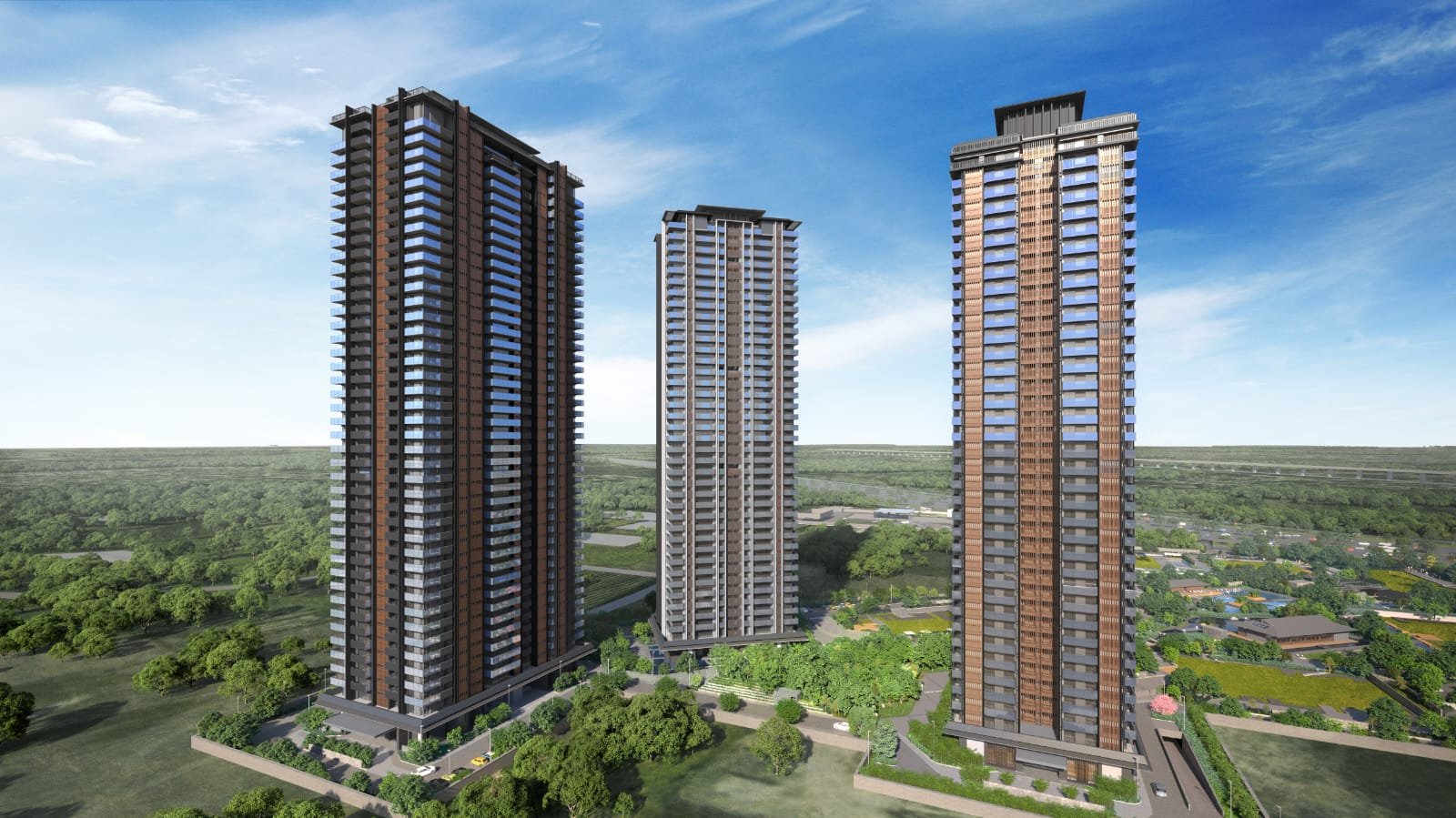
These are the people who buy or build homes which fall squarely in the super-luxury category of housing. Their homes can be found in every major city’s ritziest locations, towering over the rooftops of older buildings in the priciest areas of land-starved cities like Mumbai, or in serene estates sprawled across generous acres of prime land in cities like Delhi, Pune and Bangalore.
What bears noting here is that these homes are not even counted in any census of luxury housing units in the country – they are clearly in a class of their own, and not part of any inventory that will ever hit the market and be up for grabs.
Luxury Housing – Where The Real Action Is
Taking a broader market perspective, luxury housing in India refers to the category of homes which are bought by people who do not necessarily come from ‘old wealth’ but have often managed to rise above the ‘middle class’ median by dint of entrepreneurial success, savvy investments, sheer hard work – or, in some cases, financial windfalls. They represent the nouveau riche category of Indians who are on the lookout for housing which gives them a great lifestyle and also reflects their success in life.
In India, luxury or premium housing – as opposed to super-luxury housing – is the category of homes which caters to this demand.
The buyers of such housing are often in their late 40s or early 50s and still quite active professionally. Often having earned their money the hard way, they may not be willing to cough up massive premiums for snob-value addresses. They do prefer locations which offer quick connectivity to their places of work.
An illustration of ‘location value’ in this context is in order here.
The IT-Fueled Luxury Homes Genre
When India witnessed its IT boom, it quickly became evident that software companies see sense in setting up shop in areas with lower land rates or lease rentals, as their operations do not depend on proximity to CBDs or even SBDs. Nevertheless, the pay packages they offered to appropriately trained personnel were unheard-of in India, and suddenly there were a lot of very wealthy young people at large.
They worked odd hours which were usually aligned to US time zones and were on the market for high-end homes which provided fast access to their workplaces as well as a relaxed, modern lifestyle for them and their families.
Developers were quick to identify this opportunity and began churning out premium housing projects around such hubs, giving rise to an entirely new crop of luxury locations which derived their value from performance rather than from snob value.
A View of the Future
Today, luxury housing in India is still very much a work in progress, but the segment has made giant strides in transforming and keeping pace with the rising expectations of the well-heeled and well-travelled in terms of global standards of luxury and comfort. Also, with every passing year, more Indians are joining the ranks of the wealthy and are automatically on the market for luxury homes.
If we go by the absorption rates of luxury housing over the last three years, we can see that while the uptake of such units is not spectacular by any yardstick, it remains steady – and, despite the ominous warnings, it remains steady as ever, even showing signs of definite growth.
| High-End Sales Data | Units Sold – 2014 | Units Sold – 2015 | Units Sold – 2016 |
| India (Mumbai/Delhi-NCR/Bangalore) | 10,200 | 10,100 | 11,000 |
The luxury housing sector took a big hit with Modi’s unexpected move to demonetize high-denomination currency because a not-insignificant number of transactions in this category had large cash components. Nevertheless, such transactions were largely by speculators and people hoping to hide their unaccounted wealth in real estate – not genuine end users.
The real estate market has now recovered from the demonetization shock – and, in fact, looks primed for a rebound on the back of the transparency and regulated market practices that RERA is likely to bring in its wake. In fact, all housing segments are geared for recovery with RERA eliminating fly-by-night developers, raising the bar on developer’s accountability and enforcing strict financial and completion timeline protocols.
It may appear that Indian luxury housing developers have over-estimated the demand for their offerings. However, it must be understood that most of these builders are seasoned long-term players with their sights trained not only on current but also future demand. As already stated, the buyers for modern luxury homes tend to be professionally active, which is why the demand for luxury housing in India is closely wired into the country’s economic performance.
On that front, things have been looking up for some time now. The International Monetary Fund (IMF) had cut India’s GDP growth forecast to 6.6% in January 2017, immediately after the demonetization move. In April, it revised its outlook for 2017-18 to 7.2%. With RERA in place, GST holding the promise of a unified taxation regime and various other policy measures by the incumbent Government bearing visible fruit, there is indeed every reason to expect the Indian economy to floor the accelerator over the next few years. This means that demand for luxury housing will grow, as well.