Experience-Driven Retail: The Future of Shopping Malls in India
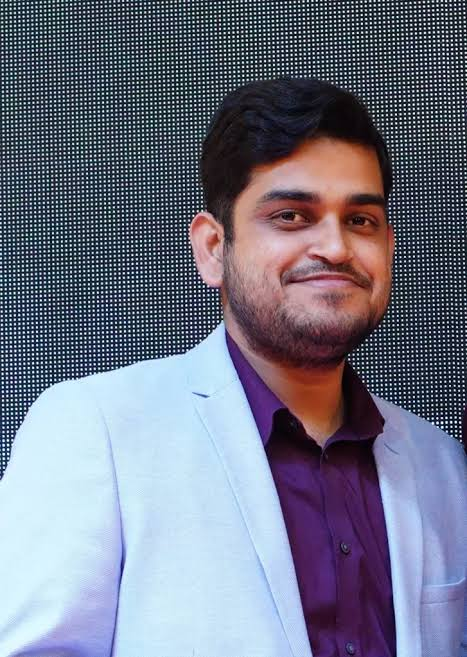
By : Ajendra Singh, Vice President–Sales and Marketing, Spectrum Metro
Retail in India is entering a new phase, one where time spent is becoming as valuable as space leased. While organised retail continues to expand across major urban markets, the proposition of the physical shopping centre is being shaped by consumers who increasingly seek dining, entertainment, discovery and social interaction alongside shopping.
In H1 2026, leasing in India’s leading seven cities was recorded at 6.27 msf and witnessed an increase of 10.5% from the previous year. Shopping malls contributed 43.1% to the total leasing in comparison to 38.9% in H1 2025. The strengthening share of mall-led absorption indicates sustained demand for quality physical environments with retailers placing greater emphasis on destinations that can attract and retain consumers beyond a single transaction.
Meanwhile, Delhi NCR is becoming an important market during this transition, facilitated by increased consumption catchment and the preference for organised retail formats. The region recorded around 0.67 msf of retail leasing in Q2 2026, an increase of 13% QOQ and more than 1.2x YOY with malls accounting for 63% of leasing activity. Noida contributed about 20% of the total retail leasing in NCR in Q1 2026, making it one of the important organised retail markets in the region. With residential communities, workplaces and leisure catchments increasingly overlapping, shopping centres are finding a wider role within the daily and weekend consumption patterns of the city.
Noida’s growth as a commercial and consumption hub has created the foundations for this change. The city had approximately 8.1 msf of mall inventory as of September 2025, with around 30% classified as Grade A+, while retail leasing during the first nine months of the year reached nearly 0.37 msf. Fashion and F&B remained among the principal demand drivers. As the organised retail base matures, newer developments have an opportunity to distinguish themselves through stronger tenant curation, design and the quality of the experience created around the retail offering.
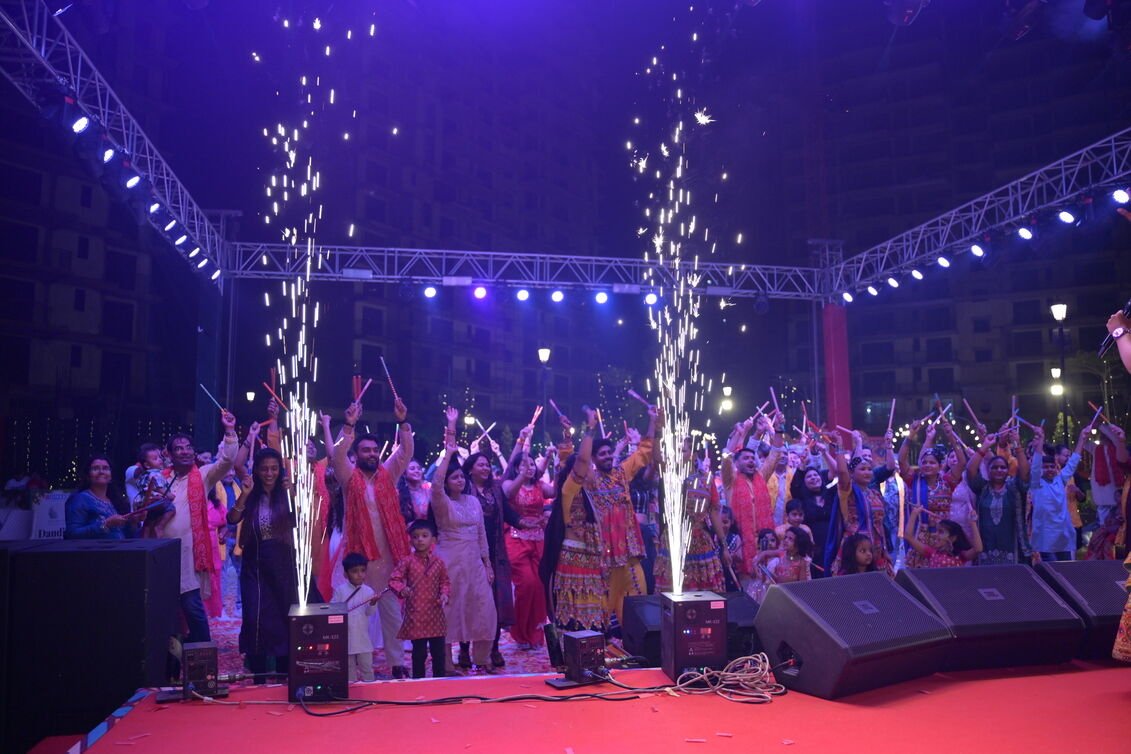
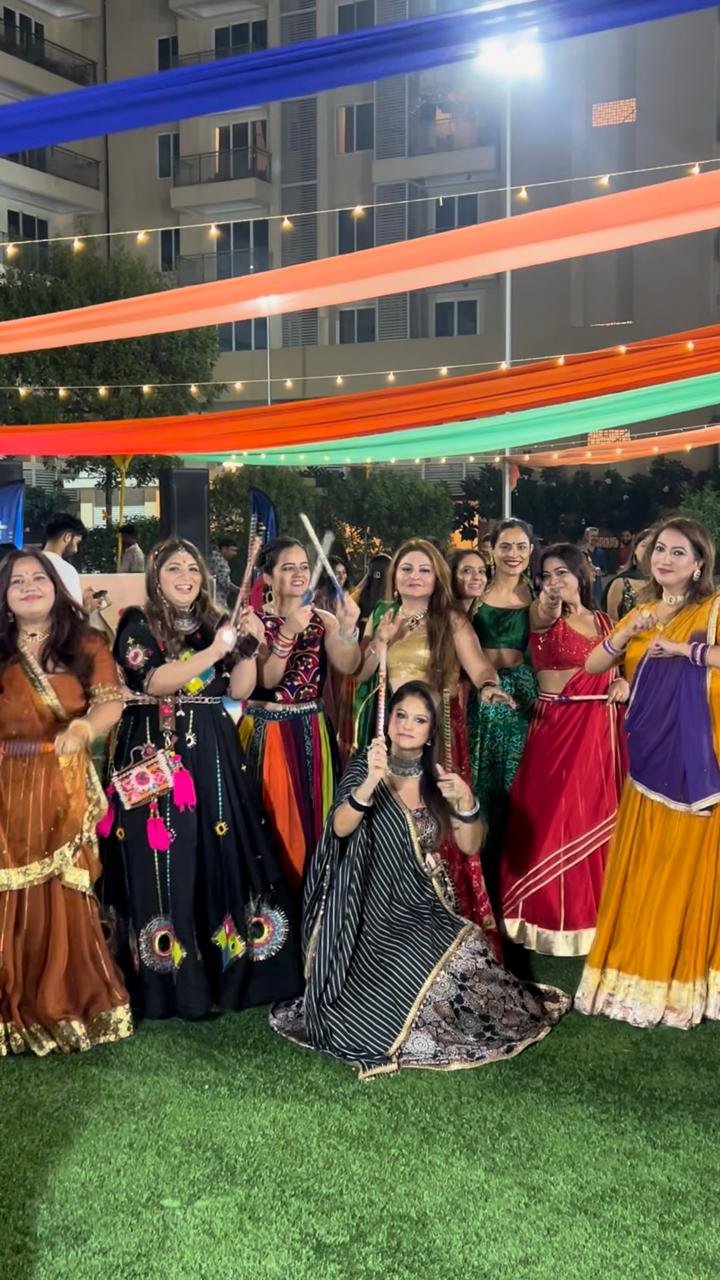
Besides, a mall visit today can bring several activities into one outing. Consumers may arrive for a meal, browse fashion stores, spend time at an entertainment venue and continue the evening at a café, creating multiple consumption occasions within the same destination. Longer visits give retailers greater opportunities for cross-shopping and brand discovery. Events, pop-ups and lifestyle programming can create additional reasons for consumers to return. Consequently, Dwell time is becoming a more meaningful consideration in retail planning with the experience within the property influencing both engagement and repeat visitation.
The tenant mix is moving in response to these consumption patterns. Fashion constituted 28.2% share of retail leasing in India during Q2 2026, whereas F&B accounted for 17.2%, and entertainment made up 10.8%. Such a pattern is clearly noticeable in NCR, where F&B comprises a 22% share of annual leasing in 2025, while fashion and departmental stores constitute 21% and 14%, respectively. Also, Leasing across these categories more than doubled in F&B, entertainment, and consumer durables as compared to last year.
Moreover, Digital-first companies are driving physical retail through experiments, customer service, and immersive experiences enabled by AI and omni-channel technologies. Such an approach is impacting mall design by incorporating strong catchment areas enhanced by curated retailing and hospitality offerings, entertainment and public spaces. In turn, such a combination is keeping the place lively both on weekdays and weekends, while adding to its retail experience.
For Noida, there will be opportunities to design retail experiences in a more coherent way. Premium restaurants and cafés can anchor evening activity, creating a strong social draw beyond conventional shopping hours. Entertainment formats can build weekend footfall, while wellness, fitness and lifestyle concepts can bring consumers back through the week.
Together, these uses create a varied rhythm of activity that gives the destination relevance across different occasions.
Taken together, these developments signal a structural change in the role of the shopping mall. Physical retail is becoming a setting for discovery, dining, entertainment and social interaction, with the quality of time spent within the property becoming an important part of its commercial proposition. For Noida, where residential aspirations, commercial development and organised retail continue to converge, the opportunity lies in creating destinations that bring these elements together naturally. The future of the mall will be shaped by its ability to make the visit itself valuable, giving consumers reasons to stay longer, explore more and return for experiences that extend well beyond the purchase.
Disclaimer: Views expressed in this article are those of the author,and not necessarily of Realtynmore.com.