From Compliance to Commitment: How Sustainable Construction Is Becoming a Priority for Developers
As Delhi-NCR continues to grow, the conversation around construction is becoming broader than simply creating new homes, offices and urban spaces. Increasing attention on environmental responsibility is encouraging the real estate industry to look more closely at how projects are planned and executed, bringing sustainable practices further into the mainstream of development.
The recent focus on construction activity and environmental measures in the region has also highlighted the importance of responsible practices across the development cycle. For developers, this presents an opportunity to strengthen the systems and processes that support more efficient resource utilisation, organised site management and environmentally conscious construction.
The shift marks an important change in the way sustainability is being viewed within real estate. For years, the conversation was largely centred around regulatory requirements and green certifications. Today, developers are increasingly recognising that responsible development begins much earlier—at the planning stage—and continues throughout the construction process and beyond.
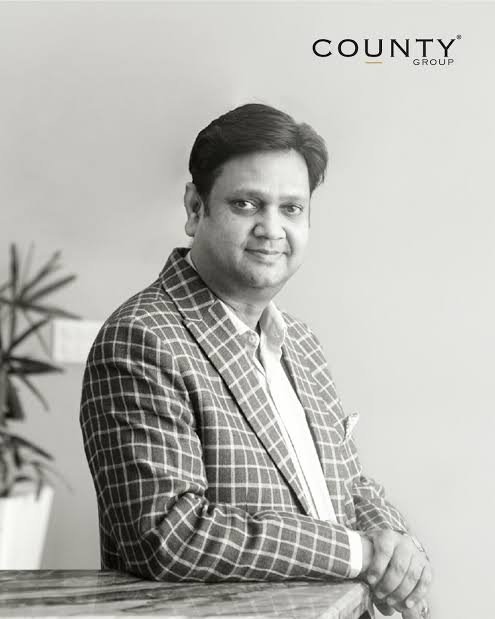
Amit Modi, Director, County Group, said, “Sustainability has become an important part of responsible real estate development. As cities continue to grow, developers have the opportunity to bring greater efficiency and responsibility into the way projects are planned and executed. The focus should be on using resources thoughtfully, improving construction processes and taking a long-term view of development. When sustainability is considered from the beginning, it can help create projects that deliver lasting value for communities as well as the larger urban environment.”
The changing approach is also influencing the way developers think about the communities they create. Sustainability today is not limited to what happens on a construction site. It is increasingly linked with the larger environment that residents experience every day.
Open spaces, landscaped areas and thoughtfully planned surroundings are gaining importance as buyers look for homes that offer a balance between modern urban living and a better quality of life. The focus is gradually expanding from individual buildings to the wider ecosystem of a development.
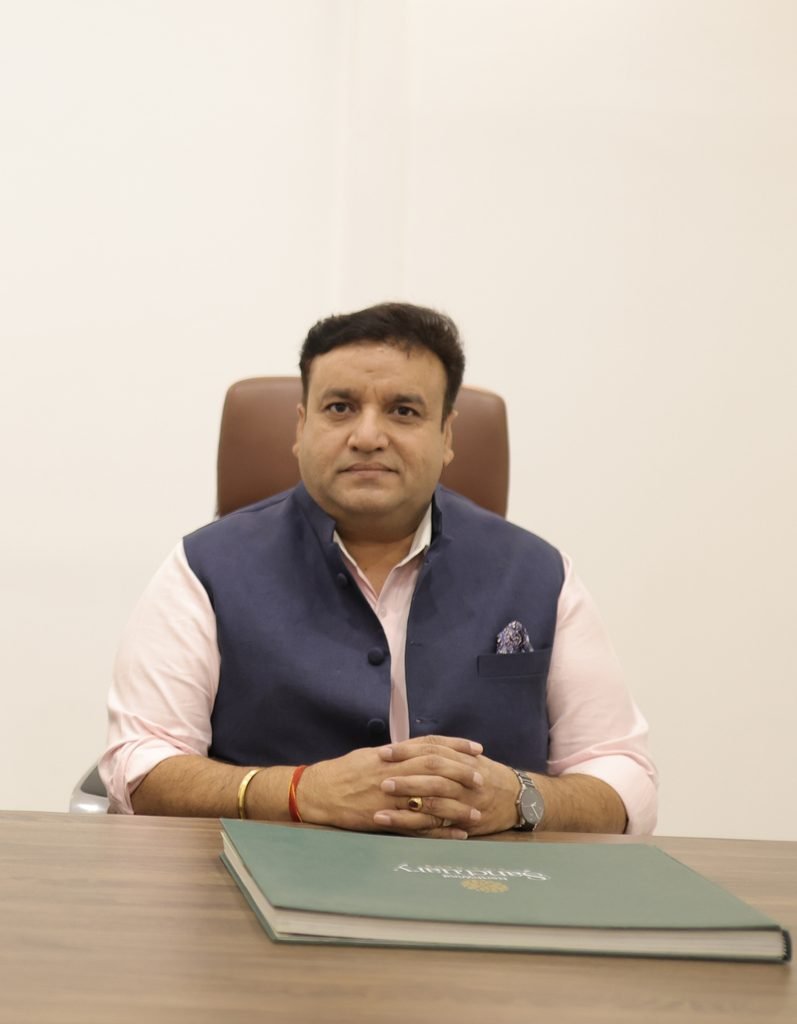
Manoj Kumar Garg, Chairman, NorthWind Estates, said, “A well-planned development should offer residents more than just a home. The surroundings in which people live, the presence of green spaces and the overall quality of the environment all contribute to a better living experience. At NorthWind Estates, we have always valued the role of open and green spaces in creating healthier communities. Responsible development should bring together modern living and a greater respect for the environment, allowing communities to grow in a more balanced manner.”
At the construction level, sustainability is also closely connected with efficiency and discipline. A project involves multiple teams, materials and activities working simultaneously, making planning and coordination essential to the development process.
Better scheduling, effective material management and well-organised site operations can help developers use resources more thoughtfully while improving overall project execution. Increasingly, the focus is on making responsible practices a consistent part of everyday operations rather than treating them as separate initiatives.
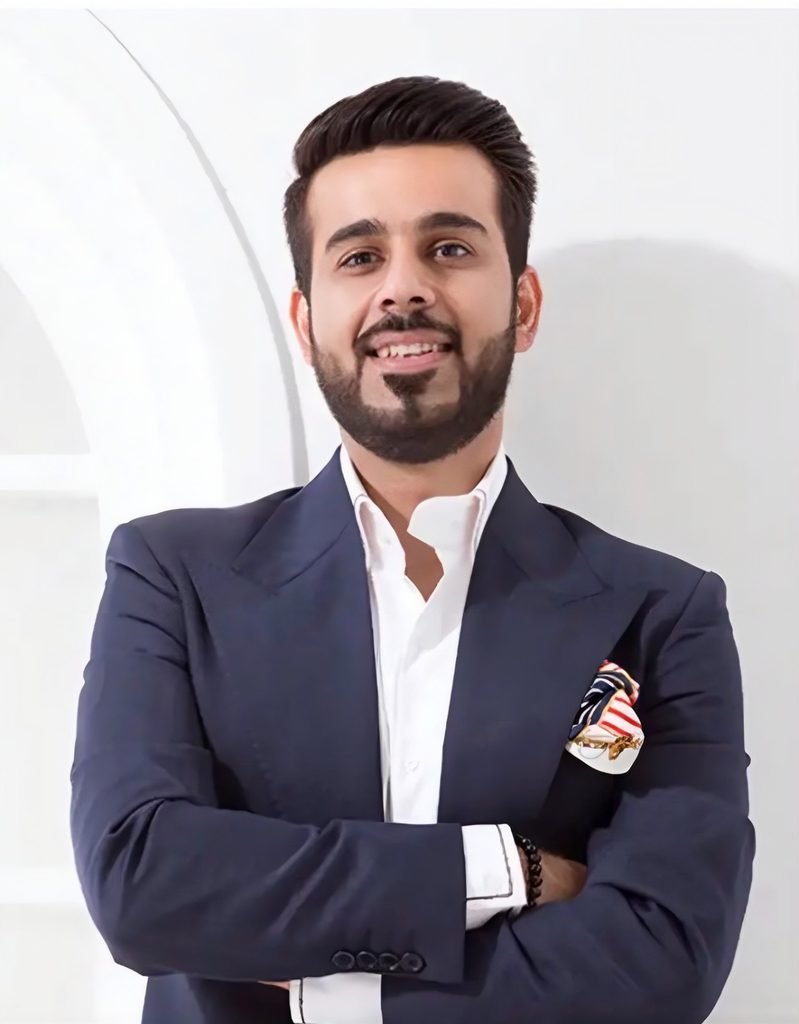
Yash Miglani, Managing Director, Migsun Group, said, “Sustainable development is closely connected with how efficiently projects are planned and executed. Better site management, thoughtful scheduling and responsible use of resources can help developers bring greater discipline to the construction process. Consistent practices, including effective material management and well-organised site operations, can make a meaningful difference over the course of a project. The focus should be on building a culture where responsible construction becomes a regular part of the development process.”
This evolving approach is particularly relevant for fast-growing markets such as Gurugram, where residential and commercial development continues to reshape the city’s landscape. The scale of growth presents an opportunity for the real estate sector to ensure that environmental consciousness remains closely connected with future
development.
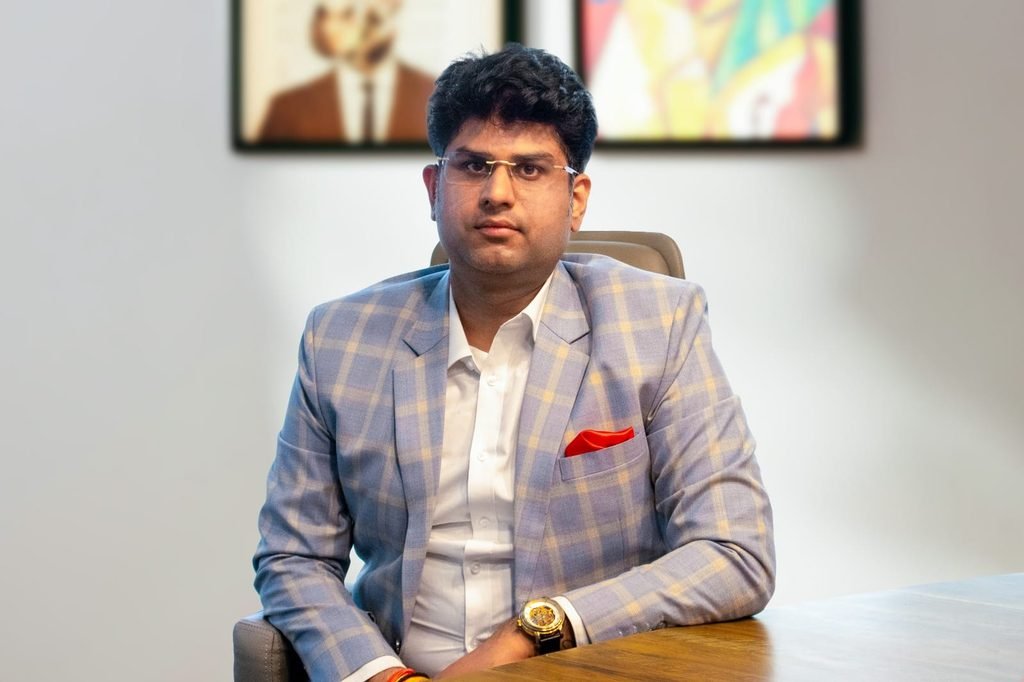
Mohit Kalia, Sr. Vice President – Sales & Marketing, HCBS Developments Ltd, said, “Gurugram’s growth as a prominent residential and commercial destination makes responsible development an important priority for the real estate industry. Developers are focusing on efficient resource utilisation, organised waste management and environmentally conscious construction practices as part of their overall approach to project development. Such measures can support healthier urban communities while allowing the city to continue its growth journey. The real opportunity lies in ensuring that development and environmental responsibility move forward together.”
The broader change within the sector lies in the fact that sustainability is increasingly becoming part of how quality development is defined. It is no longer seen only as a requirement to be addressed at a particular stage of a project, but as an approach that can influence planning, execution and the communities eventually created.
As India’s cities continue to evolve, the move from compliance to commitment could become one of the defining shifts in the real estate sector. The future of development will not only be about building more, but about building with greater thought, responsibility and a long-term vision for the cities and communities of tomorrow.