From Property to Platform: The Changing Real Estate Business Model
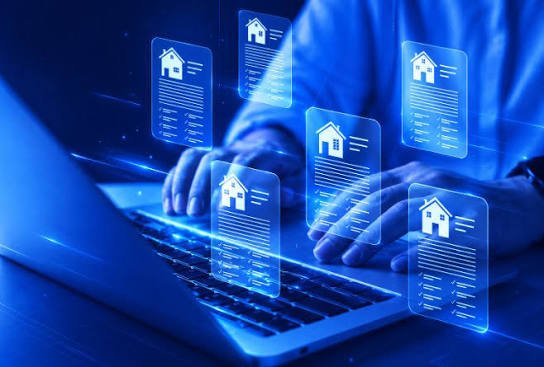
The real estate industry has traditionally revolved around buying, selling, leasing and developing physical properties. However, as technology, consumer expectations and investment strategies evolve, the sector is moving beyond conventional property transactions towards a more integrated, platform-driven business model.
Today, real estate companies are no longer simply building and selling homes, offices or retail spaces. They are increasingly building ecosystems that connect buyers, tenants, investors, property managers, technology providers and service partners. This transformation is reshaping how real estate businesses operate, generate revenue and create long-term value.
From property ownership to digital platforms, the changing real estate business model reflects a broader shift in how the industry approaches growth, customer engagement and innovation.
The Traditional Real Estate Business Model
For decades, the real estate business model was largely asset-centric. Developers acquired land, secured approvals, constructed properties and sold or leased the completed assets. Revenue was primarily generated through property sales, rental income, brokerage commissions and development partnerships.
The success of businesses depended heavily on location, land acquisition, construction costs, market demand and capital availability. While this model continues to define a significant part of the industry, its limitations are becoming increasingly evident.
Traditional real estate businesses often operate through fragmented systems, with separate stakeholders handling transactions, maintenance, customer services, financing and property management. This fragmentation can create inefficiencies, limit customer engagement and make it difficult for businesses to build recurring revenue streams.
As digital adoption increases and customers expect more seamless experiences, the industry is gradually moving towards models that combine physical assets with digital infrastructure, services and data.
What Does a Platform-Based Real Estate Business Model Mean?
A platform-based real estate business model goes beyond developing, owning or selling property. It creates an interconnected ecosystem in which multiple stakeholders interact through integrated services, technology and operational systems.
Instead of focusing solely on the value of a physical asset, platform-based businesses focus on the entire property lifecycle, including discovery, transactions, financing, occupancy, facility management, maintenance and investment opportunities.
The shift is from selling a property to managing an ecosystem around the property.
These platforms may integrate property listings, digital documentation, customer relationship management, payment systems, smart building technologies, tenant services and asset management tools.
The objective is to make real estate more accessible, efficient, scalable and customer-oriented.
How Real Estate Companies Are Evolving Into Platforms
1. Digital Technology Is Reshaping Property Transactions
Technology has become a significant driver of change in the real estate business model. Digital platforms are enabling customers to search properties, compare locations, explore virtual tours, access project information and connect with developers or brokers without relying entirely on traditional offline processes.
Artificial intelligence, data analytics, virtual reality and automation are also transforming how real estate companies engage with customers and manage operations.
Digital tools can help businesses understand customer preferences, improve lead management, personalise property recommendations and streamline administrative processes. As these technologies become more integrated, digital platforms are increasingly becoming a central part of the real estate value chain.
2. Recurring Revenue Is Becoming More Important
The traditional real estate business often relies on one-time revenue generated through sales or transactions. Platform-driven models, however, create opportunities for recurring income through property management, maintenance, leasing services, facility management, subscriptions and technology-enabled services.
For commercial real estate operators, this can include integrated workplace solutions, managed office services and tenant experience platforms. Residential real estate companies can also expand into property management, community services and maintenance ecosystems.
These recurring revenue streams can help businesses diversify their income beyond property transactions and improve long-term customer relationships.
3. PropTech Is Connecting the Real Estate Value Chain
PropTech, or property technology, is increasingly becoming the backbone of the platform-driven real estate industry.
PropTech solutions are connecting different stages of the real estate lifecycle, from property discovery and financing to construction management, leasing and post-occupancy services.
Real estate technology platforms can bring together developers, brokers, investors, tenants, facility managers and service providers through a unified digital environment. This connectivity can reduce operational fragmentation and create more transparent processes.
Technologies such as cloud-based property management systems, smart building solutions, digital payment platforms and AI-driven analytics are helping businesses improve operational efficiency while expanding their service offerings.
4. Customer Experience Is Becoming a Business Priority
The real estate industry is increasingly moving towards customer-centric business models. Buyers and tenants are no longer evaluating properties solely on location, price or amenities. They are also considering the quality of services, ease of transactions, connectivity, digital access and post-purchase experience.
Platform-based businesses can support this shift by offering integrated services that remain relevant even after a property transaction is completed.
From digital customer support and community management to maintenance requests and smart home services, the customer experience is becoming an important differentiator in an increasingly competitive real estate market.
From Developers to Integrated Ecosystems
The evolution from property-centric businesses to platform-based models is visible across different segments of the real estate industry.
Creating a ‘smart city’ from the ground up in India | McKinsey
Residential Developers
Residential developers are increasingly integrating homebuyer services, digital sales platforms, community management, smart home solutions and property maintenance into their offerings.
Book Coworking space in AIHP Tower Managed Office Space, Near Udyog Vihar Phase 4, Sector 18 | Qdesq
Commercial Real Estate Operators
Office operators are moving beyond leasing physical space towards managed workspaces, flexible office solutions, technology-enabled facilities and workplace experience services.
The five pillars of our strategy: shaping the future of… | Montea
Industrial and Warehousing Players
Logistics real estate companies are leveraging digital management systems, supply chain connectivity, automation and integrated infrastructure to support occupiers.
SMSF Commercial Property: The Hidden Goldmine Your Retirement Fund is Missing Out On
Real Estate Investment Platforms
Investment platforms and institutional asset managers are using data, portfolio management systems and digital reporting to improve transparency and asset performance.
The Role of Data in the Platform-Based Real Estate Model
Data is becoming one of the most valuable resources in the modern real estate business. Platforms generate and utilise information across property searches, transactions, occupancy, customer preferences, building operations and market performance.
When used responsibly, this information can help businesses make more informed decisions about pricing, marketing, asset management, tenant retention and future development.
Data-driven decision-making also allows real estate companies to better understand demand patterns, identify emerging locations and improve the efficiency of their operations.
As AI adoption expands, real estate businesses may increasingly use predictive analytics to forecast occupancy trends, evaluate investment opportunities, optimise building performance and personalise customer experiences.
However, data-driven models also require robust cybersecurity, privacy safeguards and reliable data management practices.
Challenges in Transitioning to a Platform-Based Model
Despite its potential, the transition from a traditional real estate business to a platform-based ecosystem is not without challenges.
- Technology investment: Building and maintaining digital infrastructure requires capital, technical expertise and ongoing investment.
- Integration challenges: Connecting legacy systems, external service providers and multiple stakeholders can be complex.
- Data security: Businesses must protect customer, financial and property-related information.
- Operational transformation: Platform adoption requires changes in organisational structure, employee skills and business processes.
- Customer adoption: Digital solutions must be intuitive, reliable and accessible to customers across different demographics.
For real estate companies, the shift is not simply about introducing technology. It requires a broader rethink of how services are delivered, how revenue is generated and how customers remain connected to the business.
The Future of the Real Estate Business Model
The future of real estate is likely to be shaped by businesses that combine physical assets with technology, services and digital connectivity. While land, location and construction will continue to remain fundamental to the industry, the ability to build integrated ecosystems around these assets may increasingly determine competitive advantage.
Platform-based models offer real estate companies opportunities to diversify revenue, improve operational efficiency, strengthen customer engagement and scale their services across markets.
As the industry continues to evolve, the distinction between a real estate developer, service provider, asset manager and technology platform may become less defined. The businesses that successfully adapt to this shift will not only build properties but also create connected experiences and long-term value across the real estate lifecycle.
The real estate industry is moving beyond the business of property towards the business of platforms, services and connected ecosystems.
Frequently Asked Questions (FAQs)
1. What is the real estate business model?
The real estate business model involves generating revenue through property development, sales, leasing, brokerage, property management, asset ownership and related services. Modern models increasingly incorporate digital platforms and integrated services.
2. What is a platform-based real estate business model?
A platform-based real estate business model connects multiple stakeholders, including buyers, tenants, investors, developers and service providers, through technology and integrated services across the property lifecycle.
3. How is technology changing the real estate industry?
Technology is transforming property discovery, transactions, property management, customer engagement, building operations and investment analysis through AI, data analytics, automation, virtual tours and digital platforms.
4. What is PropTech in real estate?
PropTech, short for property technology, refers to the use of digital technologies to improve real estate processes, including buying, selling, leasing, managing, developing and operating properties.
5. Why are recurring revenue models gaining importance in real estate?
Recurring revenue models, such as property management, facility management, leasing services and managed workspaces, help businesses diversify income beyond one-time property sales and transactions.
Disclaimer: This article is for informational and educational purposes only and does not constitute financial, investment, legal, or business advice. Market conditions, industry trends, and business models in the real estate sector are subject to change and operational risks. Readers should consult qualified professionals before making any financial, investment, or strategic decisions based on the information provided. Any third-party links or references are included for illustrative context and do not imply endorsement.