Homebuyers Shift Preference from Standalone Luxury Projects to Integrated Townships for Better Quality of Life
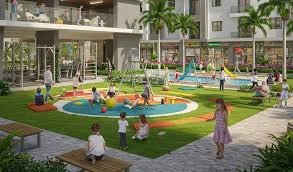
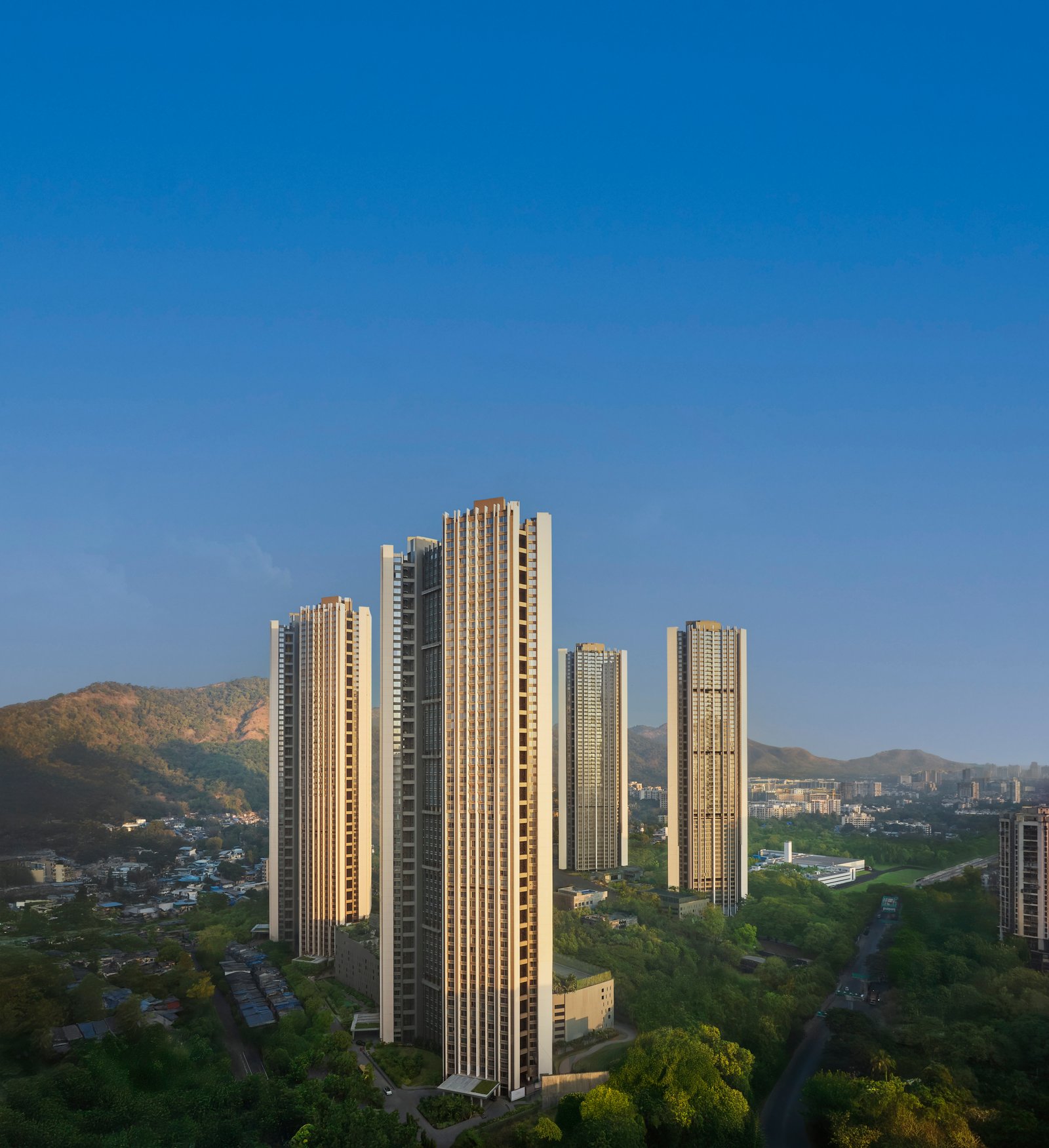
Delhi-NCR, May 23, 2026: Modern homebuyers are increasingly choosing integrated townships over standalone luxury apartments, driven by traffic fatigue, fragmented urban infrastructure, and a post-pandemic demand for self-sufficient ecosystems. Rather than evaluating standalone towers, buyers are prioritizing developments that seamlessly combine residential spaces with offices, schools, hospitals, and retail hubs. This structural shift is transforming real estate dynamics across both major metropolitan corridors and emerging secondary markets, Omaxe Group & Agrasheel Infratech said in a press release.
In Delhi-NCR, this momentum is concentrated in high-growth zones like the Dwarka Expressway, Noida Extension, Greater Noida West, and Siddharth Vihar. Backed by enhanced connectivity, the region witnessed a 30% year-on-year growth in housing transactions during Q1 of 2026, according to JLL data. Simultaneously, a CREDAI-Liases Foras report highlights that tier-2 and tier-3 cities accounted for 44% of total land acquisitions (3,294 acres) across 2024–25, indicating that developers are aggressively expanding into markets where larger land parcels allow for comprehensive master planning.

Mohit Goel, Managing Director of Omaxe Group, noted that this trend is rapidly redefining real estate in secondary markets. “The momentum behind integrated township living in Tier-II markets is witnessing a noticeable shift in lifestyle aspirations and housing preferences. Cities like Lucknow, Chandigarh, and Amritsar are emerging as strong growth centres because they offer the land scale needed to create expansive, thoughtfully planned developments. Unlike highly saturated urban pockets, these cities provide the opportunity to build more balanced residential ecosystems with open spaces, retail avenues, wellness infrastructure, and community-centric planning integrated seamlessly into everyday living. Homebuyers today are placing greater value on comfort, convenience, and long-term quality of life, which is naturally accelerating the demand for township-led developments,” Goel said.

Beyond daily convenience, townships are proving to be more resilient financial assets, holding their value better than standalone projects due to professional maintenance and built-in social infrastructure. Preksha Singh, CEO of Agrasheel Infratech, emphasized that this evolution reflects a desire for sustainable, future-ready environments. “What is particularly interesting in Tier-II cities like Lucknow is how aggressively the idea of aspirational living is evolving. Homebuyers today are not just looking for larger homes; they are looking for environments that feel more complete, peaceful, and future-ready. Integrated townships are resonating strongly because they offer a more balanced rhythm of living, where open spaces, social infrastructure, convenience, and community interaction become part of everyday life rather than occasional luxuries. In many ways, these developments are helping redefine urban growth in emerging cities by creating destinations that combine modern infrastructure with a more comfortable and sustainable lifestyle experience,” Singh said.