I Don’t See a Luxury Housing Bubble in the Near Future: Anshuman Magazine

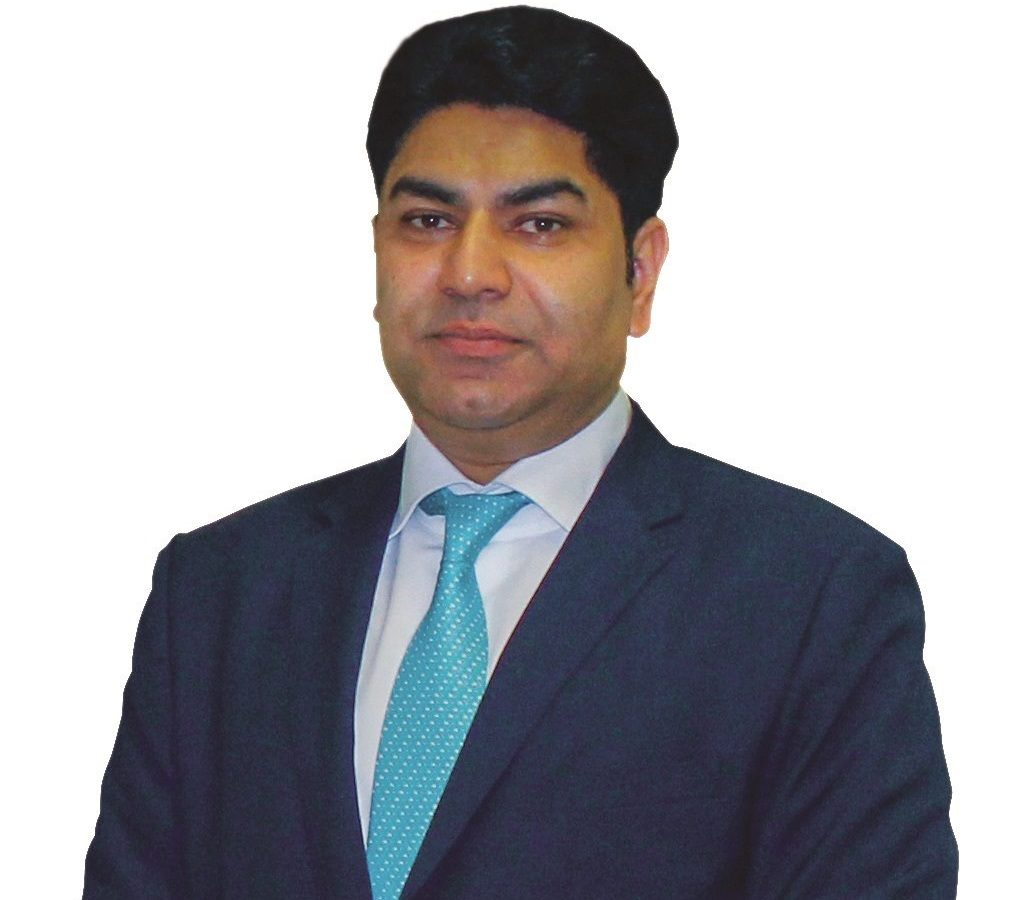
In an exclusive conversation with Palash Roy, Founder and Editor of RealtyNMore, Anshuman Magazine, Chairman and Chief Executive Officer (India, SEA & MEA) at CBRE, provides key insights into India’s evolving real estate investment landscape.
In this discussion, Magazine addresses growing debates around the premium housing market, outlines where global institutional funds are deploying capital, and assesses India’s infrastructure readiness for the rapid expansion of data centres.
Q: There is currently significant market discussion about the surge in premium, branded, and ultra-luxury residences versus affordable housing. Given this high traction, do you see any risk of a bubble forming in the luxury housing segment?
A: It is difficult to predict a bubble because when you analyze total apartment supply in India relative to the overall size of our economy, the overall numbers remain modest—just a few hundred thousand units. Within that total, the ultra-luxury and luxury segments represent an even smaller fraction.
While real estate naturally moves in cycles, I do not foresee a bubble in the near future primarily because the sheer scale required for a bubble isn’t there. As the Indian economy expands and per capita income rises, demand for luxury housing will naturally grow. So far, supply has simply not kept pace with this demand.
Eventually, as with any cycle, a period may come where supply overtakes demand and prompts concern. However, that imbalance is not happening right now.
Q: Given CBRE’s global footprint, where are you seeing the maximum influx of foreign funds? Which real estate segments—residential, commercial, retail, or office—are attracting the highest interest from global investors?
A: Currently, the primary area of foreign interest remains the office sector, closely followed by data centres, which have recently seen a significant surge in cross-border capital inflows.
The office segment leads because India is the premier global hub for Global Capability Centres (GCCs). GCCs continue to expand rapidly across the country, serving as dominant occupiers of prime office space. Because these tenants are large, reputable multinational corporations, global funds feel secure knowing there is robust underlying demand backed by strong credit profiles. Additionally, the maturity of REIT structures in India provides clear exit mechanisms for foreign institutional investors, ensuring continued investment.
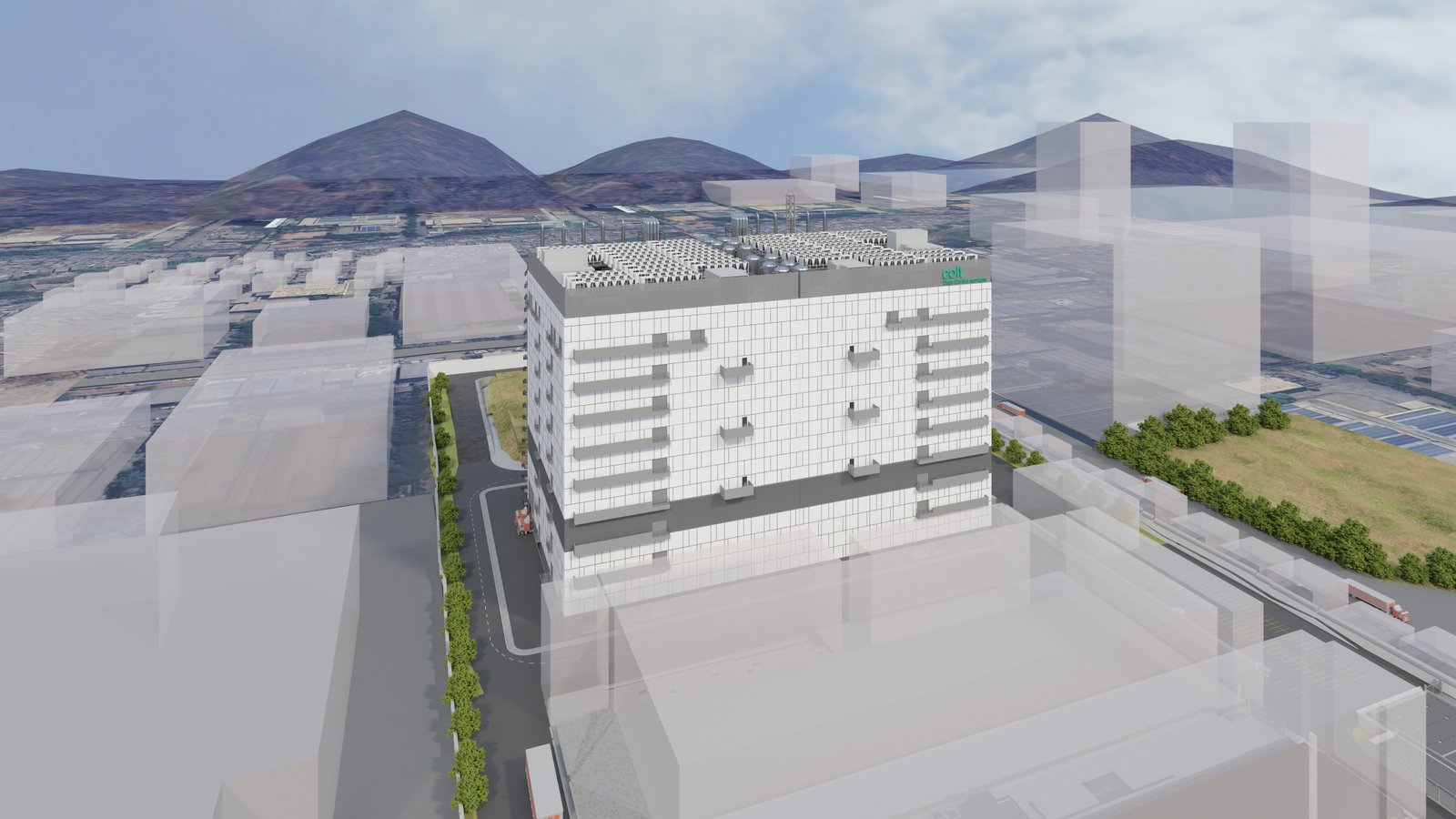
Data centres represent the newest growth frontier, where we anticipate even greater foreign capital deployment moving forward.
Q: Is India’s current infrastructure adequately equipped to support the intense power and resource demands of modern data centre developments?
A: Data centre developments naturally follow a longer timeline. They are highly capital-intensive and require specialized construction techniques. Furthermore, they demand uninterrupted access to power, water, and semiconductor supply chains.
I am confident that India will build the requisite infrastructure to support this growth. Beyond traditional grid infrastructure, there is a strong shift toward renewable energy sources—such as solar and wind—where generation capacity is expanding significantly.
Overall, national power generation capacity is projected to increase substantially in the coming years. While data centre build-outs will take time given their longer development cycles, the country is well-positioned to meet their power, water, and operational needs.