IGBC Green BuildTech Summit Highlights Sustainable Urban Growth and Net-Zero Buildings in Chandigarh Tricity Region
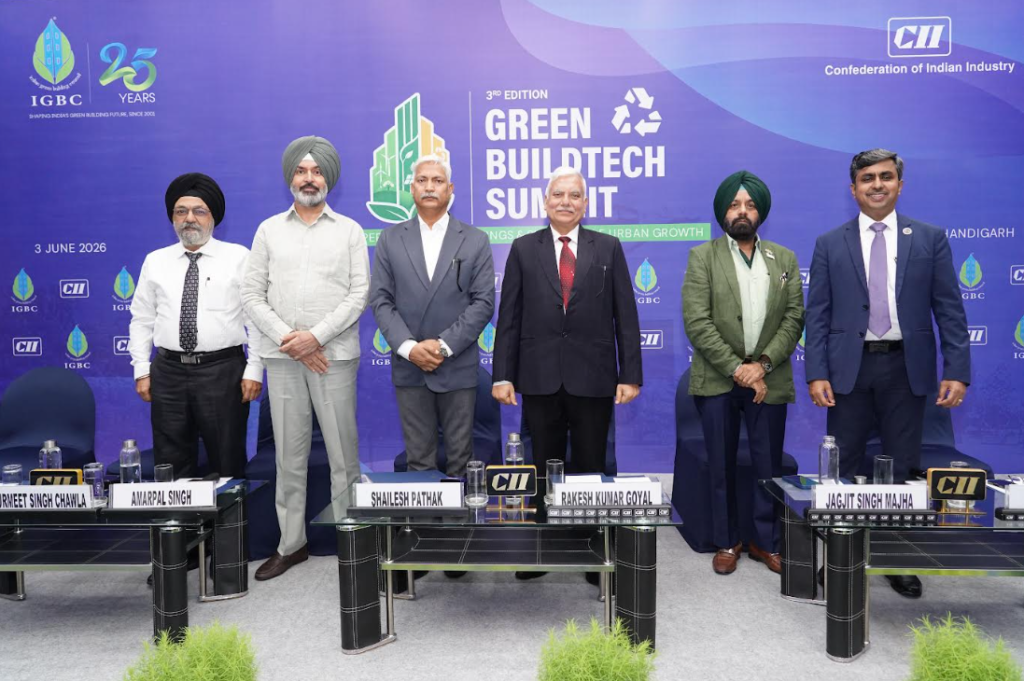
Chandigarh, June 4, 2026: The CII Indian Green Building Council (IGBC) Chandigarh Chapter hosted its flagship Green BuildTech Summit at the CII Northern Headquarters on June 3, 2026. Convening under the theme “High-Performance Buildings & Sustainable Urban Growth,” the summit brought together policymakers, urban planners, developers, architects, and sustainability experts. Discussions focused primarily on the role of sustainable infrastructure and high-performance buildings in driving the future layout of the Chandigarh Tricity region and speeding up India’s overall transition toward a low-carbon built environment, IGBC Chandigarh Chapter said in a press release.
The summit drew attendance and leadership from a wide cross-section of northern India’s real estate and administrative sectors, including Dr. Amarpal Singh, IAS (Retd.), Chairman of the Punjab School Education Board; Rakesh Kumar Goyal, Chairperson of the Real Estate Regulatory Authority (RERA), Punjab; Gurmeet Singh Chawla, Vice Chairman of CII Chandigarh UT; Col Shailesh Pathak, Immediate Past Chair of the IGBC Chandigarh Chapter; Jagjit Singh Majha, Chairman of the IGBC Chandigarh Chapter; and M Anand, Deputy Executive Director of the CII IGBC. Through technical exchanges and structured panel debates, the forum aimed to advance policy dialogue, introduce scalable local innovations, and solidify public-private partnerships capable of delivering climate-resilient development across Punjab, Haryana, and Chandigarh.
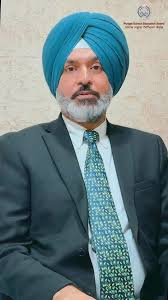
During his Special Address, Dr. Amarpal Singh, IAS (Retd.), Chairman of the Punjab School Education Board, underscored the importance of institutional leadership and early education in making sustainable living a foundational habit rather than a regulatory chore. “Being a builder is far more than constructing structures; it is about shaping the environment, communities, and ecosystems that surround them. Every design decision and every building we create leaves an impact that extends far beyond its walls. If sustainability becomes a way of thinking rather than a compliance requirement, we can create a future where development and nature coexist in harmony. While our generation may have contributed to many of the environmental challenges we face today, it is our collective responsibility to equip the next generation with the knowledge, values, and mindset to reverse that damage. Green is not merely a colour, it is a way of life, a philosophy of responsible living, and a commitment to building a better world for all forms of life that share this planet.”
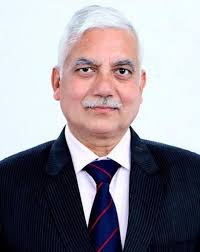
Elaborating on the economics of green infrastructure, Rakesh Kumar Goyal, Chairperson of RERA Punjab, pointed out that environmentally conscious designs are rapidly shifting from alternative concepts to mainstream market requirements driven by consumer choice. “I believe sustainability is no longer an optional consideration for the real estate sector—it is an imperative. As developers, architects, regulators, and industry stakeholders, we must collectively embrace resource-efficient, climate-responsive, and environmentally responsible development practices. I have observed that homebuyers and investors today are increasingly seeking projects that prioritize energy efficiency, water conservation, and green building principles. Sustainability is not only essential for protecting our environment but is also becoming a key driver of long-term value creation, resilience, and stakeholder confidence. The future of real estate will be shaped by developments that successfully balance economic growth with environmental responsibility.”

The underlying scale of this regional transition was mapped out by Jagjit Singh Majha, Chairman of the IGBC Chandigarh Chapter and Managing Director of Innovative Housing & Infrastructure Pvt. Ltd., who provided concrete data regarding green footprints across northern states. “The Chandigarh Tricity region stands at a pivotal stage in its development journey. As demand for quality infrastructure and real estate continues to rise, we must ensure that growth is guided by sustainability principles. High-performance buildings offer a practical pathway to optimise energy and water consumption, improve occupant well-being, and create resilient communities. Through platforms like Green BuildTech 2026, IGBC aims to strengthen collaboration among government, industry, and academia to accelerate the adoption of green and net-zero building practices across the region. Chandigarh, Haryana and Punjab 1,700+ registered projects amounting to 1.09 billion sq ft of green building footprint. This shows how the state continues to witness rapid urbanisation and infrastructure growth, and the adoption of high-performance buildings is essential for ensuring resource efficiency, climate resilience, and long-term economic value.”
According to internal metrics shared during the event, the regional portfolio across Chandigarh, Haryana, and Punjab comprises 1,098 commercial projects, 467 residential projects, 95 industrial projects, 23 built environment projects, and 30 transit infrastructure projects alongside 23 dedicated Net Zero projects. To sustain this momentum, the event split into distinct technical focus tracks examining low-carbon building materials, water-positive setups, and sustainable finance options. A dedicated panel titled “Tricity at an Inflection Point,” chaired by M. Anand, reviewed shifts in asset valuation and local buyer preferences alongside prominent regional planners and university clean energy directors.
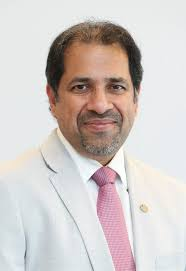
Subsequent blocks included a technical session highlighting commercially viable net-zero materials and reflective cooling technologies, alongside a policy-focused panel tracking public-private alignment models and international financing routes led by the International Finance Corporation (IFC). The summit concluded with an executive master session led by Ashish Rakheja, Chairman of the IGBC Technical Committee, outlining actionable steps to transition theoretical green targets into measurable building performance data. The summit wrapped up with a unified appeal to government agencies, financial bodies, and technical suppliers to implement these resource-efficient strategies systematically across all future regional developments.