News
Indian Real Estate in 2025: From Roller-Coaster Rides to Rock-Solid Foundations
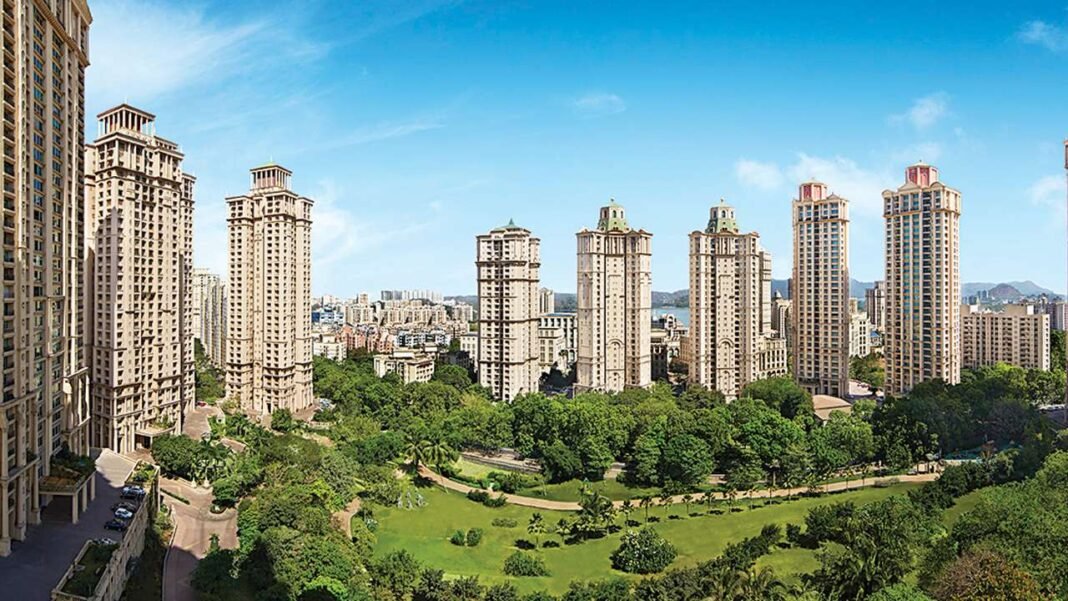
December 31, 2025: As 2025 winds down, Indian real estate stands in a place few dared to forecast a decade ago. In a world rattled by economic jitters, geopolitical storms, and policy pivots, India’s property market displayed an uncommon poise—blending resilience, maturity, and a newfound discipline. This wasn’t a feverish boom fueled by wild optimism, nor a slump sparked by global tremors. Instead, the sector quietly stepped into a more grown-up era: institutionalised, driven by genuine homebuyers, and propelled by real infrastructure rather than mere promises.
Across residential, commercial, retail, and warehousing, 2025 crystallised a pivotal truth: Indian real estate has outgrown its short, speculative sprints. It’s now rooted in enduring value creation. Buyers grew savvier, developers more restrained, and investors more selective. The true game-changer? Infrastructure that moved from press releases to pavement.
Residential Real Estate: Volumes Ease, Confidence Soars
Residential remained the sector’s beating heart in 2025, even as sales figures in major cities cooled from the prior year’s heat. Industry estimates peg residential sales across top cities at around 395,000 units—down roughly 14 per cent from 2024’s 460,000. Yet beneath this dip in volume lay a brighter story: home prices climbed steadily in most key markets.
This split between softer sales and firmer prices signalled a profound evolution in buyer mindset. No longer hunting bargains or quick flips, purchasers demanded quality, prime locations, trusted developers, and homes built for lasting joy. Spacious layouts, thoughtful amenities, and vibrant communities became must-haves rather than nice-to-haves.

Amit Modi, Director, County Group, described 2025 as a year of visible confidence returning to the market. “2025 has been a very strong year for Indian real estate, with clear improvement in demand and buyer confidence across key markets. In NCR especially, the impact of new expressways, metro corridors, airports and enhanced connectivity is now visible on the ground, and this has directly supported the growth of premium and luxury housing,” he said.
Modi added that buyer behaviour itself had evolved. “Throughout the year, we saw buyers becoming more informed and confident, willingly investing in better locations and superior amenities.” With this tailwind, he anticipates 10–12 per cent price appreciation in premium and luxury segments come 2026.
NCR: Infrastructure Turns Promises into Payoff
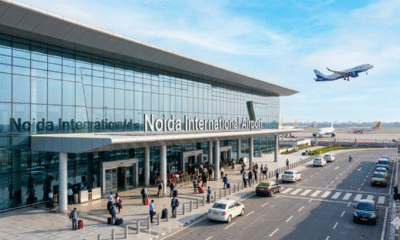
The National Capital Region shone as one of 2025’s standout residential performers, thanks to long-promised infrastructure finally hitting the ground running. Once-fabled corridors—like the Dwarka Expressway, Noida–Greater Noida links, and micro-markets near the Noida International Airport—shifted from speculation to everyday reality.

Sanjay Sharma, Director, SKA Group, noted that this infrastructure visibility fundamentally altered market sentiment. “2025 has solidified the Noida–Greater Noida and Ghaziabad corridors as NCR’s most strategically aligned markets, where infrastructure is no longer just a promise but a reality,” he said.
According to Sharma, luxury housing demand in these belts is no longer aspirational. “With the Noida International Airport and metro expansions acting as massive catalysts, we’ve entered a high-confidence cycle where luxury housing has evolved from aspiration to active acquisition.” Investors, he added, are increasingly chasing lifestyle-driven, sustainable assets rather than pure land appreciation.
Luxury Housing: No Longer Just a Metro Fairytale
Perhaps the year’s most striking trend was luxury demand spilling beyond the usual suspects. While NCR, Mumbai, and Bengaluru still led in sheer scale and sky-high tickets, select Tier-II cities stunned observers by absorbing luxury stock at metro-like pace.

Sakshee Katiyal, Chairperson, Home & Soul, pointed to this shift as a sign of pan-India aspiration. “What really stood out in 2025 was how luxury housing demand stopped being a metro-only story. While NCR continued to lead in terms of depth and ticket sizes, emerging Tier-II cities surprised everyone by matching metro-level absorption in their luxury segments,” she said.
This surge, she observed, came chiefly from genuine occupants—not flippers—fuelled by better roads, rising local affluence, and shifting lifestyle dreams. Buyers in these cities now insist on metro-grade design, planning, and community vibes.
Noida–Greater Noida Joins the Luxury Elite
Inside NCR, Noida–Greater Noida boldly crashed the luxury party in 2025. Upgraded expressways, metro lines, and tangible progress on the Noida International Airport erased old perception gaps with established hotspots.

Salil Kumar, Director – Marketing and Business Management, CRC Group, said infrastructure was the primary confidence driver. “The progress around the Noida International Airport has significantly strengthened buyer confidence, not just for investors but for end-users looking at long-term livability,” he noted.
Demand flowed from professionals, entrepreneurs, and NRIs craving expansive, thoughtfully designed homes with lasting upside. Crucially, it stayed measured and end-user-centric—a hallmark of healthy, sustainable momentum into 2026.
Curated Luxury and the Discerning Buyer
Beyond maps, 2025 redefined luxury itself. Buyers chased bespoke experiences fusing global flair with Indian soul, sustainability, and wellness at the core.

Amar Sarin, CEO & MD, TARC Ltd, described 2025 as a year of structural clarity for the luxury segment. “For TARC, 2025 marked a renewed commitment to crafting differentiated luxury, curated residences that embody the evolving definition of urban living,” he said.
Sarin observed a decisive move toward thoughtfully planned homes. “We observed a shift toward well-planned luxury homes that harmonize contemporary living with India’s timeless elegance. The trends observed in 2025 are structural, reflecting a maturing buyer profile, particularly in Delhi and Gurgaon.”
Heading into 2026, Sarin foresees robust demand powered by infrastructure leaps, rising incomes, and refined lifestyles. Well-linked micro-markets with scarce, top-tier supply will steer the next wave.
Prices Climb as Volumes Temper
The year’s pricing story underscored the market’s coming-of-age. Even with fewer deals, average prices rose across most cities—a testament to quality trumping quantity.

Abhay Jindal, Managing Director, Homeland Group, explained this dynamic. “The year 2025 saw India’s real estate market display its strength during the tough economy… however, due to an increase in demand from buyers looking for quality products, the average price of homes also rose significantly.”
This trend reveals buyers happily paying premiums for reliable names, superior planning, and enduring appeal—further distancing the sector from its speculative past.

Gaurav Pandey, MD & CEO, Godrej Properties Ltd., echoed this sentiment. “2025 was a year of sustained growth for Indian real estate, driven by strong housing absorption, firm pricing, and the delivery of major infrastructure projects across key metros,” he said.
Pandey noted consolidation gathered pace, with buyers flocking to branded developers for transparency and delivery assurance. Into 2026, he expects steady momentum, bolstered by disciplined supply and balanced inventories.
Commercial Office: GCCs Steal the Show
India’s office sector posted one of its best showings in years, with leasing topping 80 million square feet. Global Capability Centres (GCCs) drove nearly 40 per cent of absorption, anchoring demand.
Bengaluru, Delhi-NCR, Hyderabad, and Pune drew multinationals with talent pools, cost advantages, and upgraded infrastructure. Hybrid work settled into a new normal, freeing occupiers to lock in long-term spaces.

Ashok Singh Jaunapuriya, MD & CEO, SS Group, highlighted how certain NCR micro-markets have matured. “In Gurugram, micro-markets like New Gurgaon and the Dwarka Expressway have entered a decisive maturity phase, evolving from speculative zones into the city’s most sought-after urban hubs,” he said.
Retail Real Estate: Experience Reigns Supreme
Retail in 2025 prized curation over sheer sprawl. Prime malls, high-street gems, and mixed-use hubs exceeded forecasts, riding a wave of recovering spending and brand rollouts.

Ashish Bhutani, CEO, Bhutani Infra, noted that the operating environment has become far more stable. “The Indian real estate industry… is functioning in a far more stable, transparent, and policy-driven environment in 2025 than has been experienced in previous cycles,” he said.
Retailers gravitated toward integrated destinations blending homes, offices, and leisure. Food, entertainment, and luxury brands led the leasing charge.
Warehousing and Logistics: The Steady Climber
Warehousing quietly consolidated gains, drawing institutional money amid e-commerce growth, manufacturing revival, and supply-chain reshuffles.
Grade-A specs, automation, and ESG standards became table stakes. Long leases and reliable yields kept the segment attractive as a resilient, scalable bet.
Senior Living and New Frontiers
Beyond classics, senior living gained real traction. Ankur Gupta, JMD, Ashiana Housing, noted that India now has over 20,000 dedicated senior living units, with increasing institutional interest. He expects continued vigour in 2026, fuelled by sharper data, clearer rules, and fresh models balancing independence, care, and community.
Healthcare properties, data centres, and integrated townships also stepped into the spotlight—mirroring India’s shifting demographics and digital hunger.
Tier-II Cities Claim Their Spotlight
Tier-II and III cities added vivid chapters to 2025’s narrative. Places like Mohali, Tricity, Faridabad, and Lucknow saw steady end-user interest, sparked by infrastructure upgrades and lifestyle-focused projects.

Mukul Bansal, Co-Founder & MD, Motiaz, observed that buyer preferences have become more nuanced. “Residential demand remained robust, driven by end-users rather than investors… Buyers prioritised wellness-centric, low-density developments,” he said.
Outlook for 2026: Poised for Measured Ascent
As 2026 beckons, the mood is guardedly upbeat. Roughly 70 per cent of developers forecast price gains above 5 per cent, backed by 6.5–7 per cent GDP growth, steady rates, and relentless infrastructure delivery.
Watch for AI-smart buildings, wellness-first design, branded residences, and transit-linked developments to shape the horizon.
Conclusion: A Sector Finally Grown Up
Indian real estate in 2025 wasn’t about fireworks—it was about follow-through. The year showcased a maturing industry shaped by visible infrastructure, steady policies, and discerning buyers.
As 2026 dawns, the sector looks primed for thoughtful, enduring growth—built on solid ground rather than fleeting hype.





Knight Frank appoints Deben Moza as Head of Project Management India & Asia-Pacific
Mumbai, March 31, 2026: Knight Frank, a leading global independent real estate consultancy, has announced the strategic appointment of Deben...


Viceroy Properties Brews Community Connection With ‘Brew on Wheels’ Initiative in Versova
Mumbai, March 31, 2026: Departing from traditional real estate marketing tactics that typically center on sales galleries and site visits,...


Itel & AWF, in collaboration with GNIDA, Bring Eye Care Support to 150 Safai Mitras
Greater Noida, March 31, 2026: In a significant boost to the health and well-being of frontline sanitation workers, a specialized...
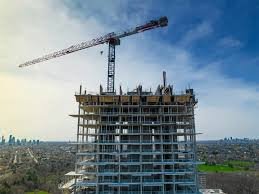

Stalled Real Estate Projects get New Lease of Life due to Funding and Strong Demand
New Delhi, March 31, 2026: Thousands of stalled real estate projects across India’s major metropolitan hubs are receiving a critical...


Bollywood Actress Malaika Arora Khan Leases Out an Apartment in Bandra West, Mumbai for Rs. 1.17 Crore Over 3 Years: Square Yards
Mumbai, March 31, 2026: Bollywood actress and television personality Malaika Arora has leased out her premium apartment in the upscale...

Signature Global and RMZ Form ₹16,000 Crore Joint Venture for Mega Commercial Project in Gurugram
New Delhi, March 30th, 2026: In a move that significantly reshapes the commercial real estate landscape of the National Capital...
-
 Guest Column4 weeks ago
Retail Trends to Watch Out for in 2026
-

 News2 weeks ago
FractoProp Receives SEBI Registration for Ridhama Real Estate Fund
-
News5 days ago
How Noida International Airport Will Impact Property Prices
-
News2 weeks ago
Rise of Airport-Linked Real Estate: Opportunities Emerging Around Jewar
-
News3 weeks ago
Greenlands Global Private Limited Appointed as Managing Partner for Big FM Realty’s ₹1,200 Crore Mixed-Use Development
-
News2 days ago
Noida International Airport Inauguration Sparks New Real Estate Boom For NCR
-

 News2 weeks ago
India Maintains Competitive Edge as Asia-Pacific Office Fit-Out Hub, Reports Knight Frank
-
News3 weeks ago
Enviro Infra Engineers Secures ₹411 Crore Bihar Sewerage Project Under AMRUT 2.0