India’s Senior Living Market Projected to Reach $10.1 Billion by 2030: ASLI-JLL Report
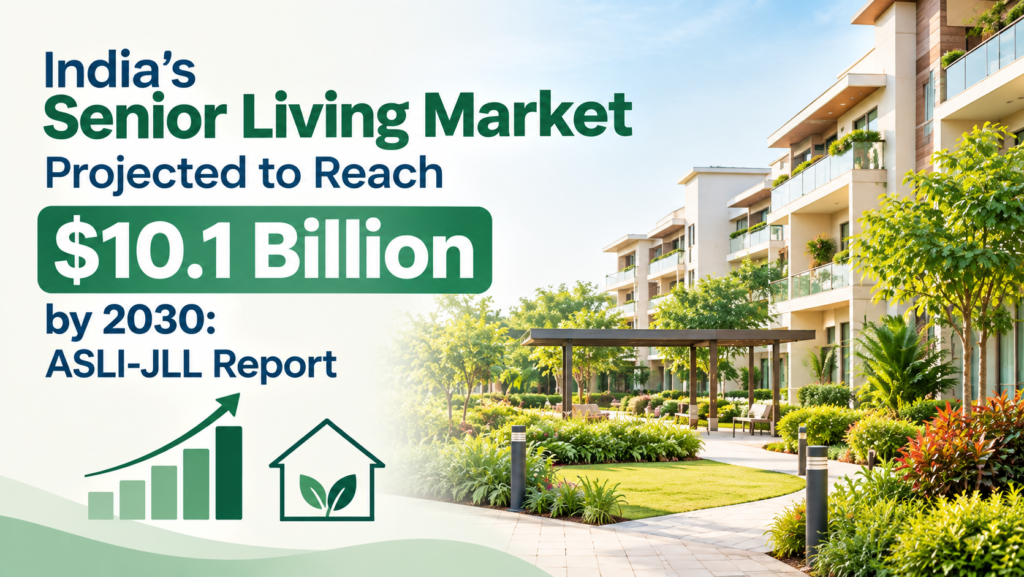
New Delhi, September 8, 2026: India’s senior living sector could become a $10.1 billion opportunity by 2030, driven by rapid demographic shifts and an expanding addressable market, according to a report by the Association of Senior Living India and JLL titled “India’s Silver Economy: From Niche to Necessity.” The organized senior living inventory currently stands at approximately 25,050 units as of June 2026, representing a market penetration rate of just 1.5%—significantly below the 6–7% seen in the United States and 14–15% in New Zealand.
According to a press release, the addressable market of urban, financially independent senior households is projected to expand from 1.7 million in 2026 to 2.1 million by 2030. With India’s population aged 60 and above expected to reach 346 million by 2050, the demand for dedicated care infrastructure is rising rapidly. Under a policy-driven scenario, total stock could grow to 74,000 units by 2030, requiring $7.7 billion in capital deployment. Well-managed facilities are already recording occupancy rates of 80% to 85%.
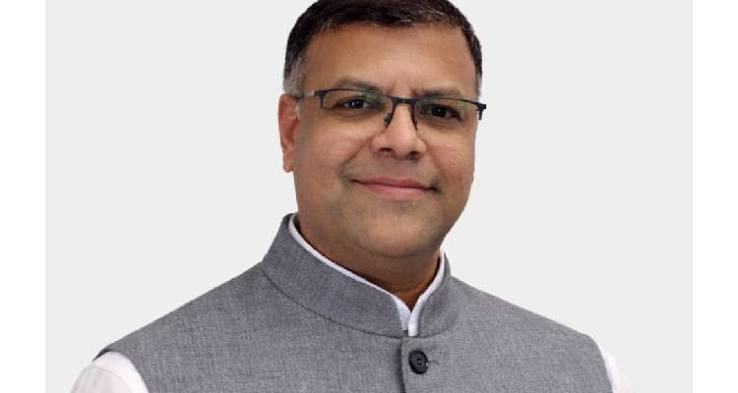
Addressing the launch of the report, Rajagopal G, Chairman, Association of Senior Living India, stated, “India’s ageing transition is no longer a distant demographic story—it is unfolding before us. With over 166 million Indians aged 60+ today, a number projected to double by 2050, we need to build the ecosystem for ageing now. Yet organised senior living penetration remains at just 1.5%, pointing to the enormous headroom ahead.” He emphasized the need for policy support, patient capital, and specialized operators to scale the sector responsibly.

A critical gap remains in assisted living, which currently offers around 2,100 beds against a projected requirement of 11,000 beds by 2030, coinciding with a 7.8% annual growth rate in the 75-plus age demographic. Karan Singh Sodi, Senior Managing Director, JLL, highlighted the urgency of infrastructure expansion, noting, “The gap between demographic reality and infrastructure supply has never been starker. What transforms this from a real estate opportunity into a ~USD 10.1 billion market is policy intervention—states like Maharashtra and Haryana have shown the blueprint.”
The report calls for key regulatory and financial interventions to unlock the sector’s full potential. Recommendations include Goods and Services Tax rationalization for bundled care services, insurance-linked products, repositioned reverse mortgage structures, asset-light hospital collaborations, and a unified national policy framework modeled on existing state policies.