Mumbai Office Real Estate Poised for Double-Digit Growth Through 2030: Report
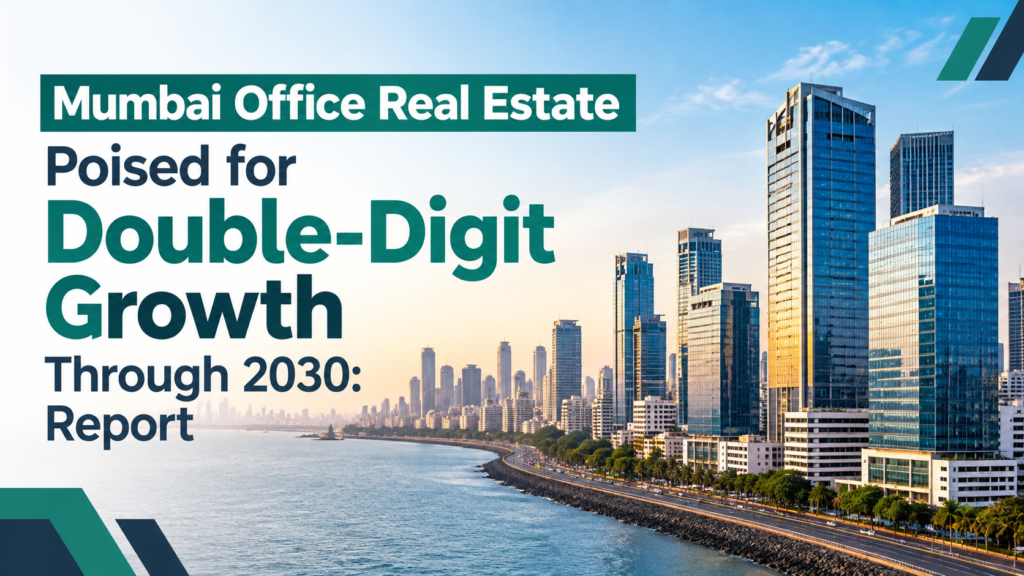
Mumbai, September 9, 2026: Mumbai’s office real estate market is projected to record double-digit growth between 2027 and 2030, according to the India Mid-Year Market Outlook FY2027, released at the CII Real Estate Summit 2026. CBRE South Asia Pvt. Ltd. served as the knowledge partner for the event, it said in a press release.
Office space demand in the region is projected to expand at a compound annual growth rate (CAGR) of 12% to 15% between 2027 and 2030. During the same period, residential sales and industrial and logistics demand are expected to grow at CAGRs of 6% to 8% and 5% to 8%, respectively. Meanwhile, retail demand CAGR is projected at 14% to 17%.
The report was launched by Deepak Parekh, Chairman, HDFC Asset Management Company & HDFC Capital Advisors; Vir S Advani, Chairman, CII Western Region and Chairman & Managing Director, Blue Star Ltd; Anshuman Magazine, Chairman & CEO, India, Southeast Asia, Middle East & Africa, CBRE; Neel Raheja, Group President, K Raheja Corp Group; Atul Ruia, Chairman, Phoenix Mills Ltd.; and Alpa Antani, Regional Director, Confederation of Indian Industry, Western Region.

“By 2030, Mumbai has the opportunity to emerge as one of the world’s major economic engines,” said Anshuman Magazine, Chairman & CEO – India, South-East Asia, Middle East & Africa, CBRE. “The transformation will be driven by mobility – metro, rail, roads and airport connectivity – alongside redevelopment, new business districts, housing and transit-oriented growth. With its strengths in finance, technology, services, manufacturing and data centres, Mumbai has all the ingredients to become a truly global gateway city. The next five years can be transformative, and our ambition should be for Mumbai to stand alongside cities such as Tokyo and Singapore as a leading global economic hub.”
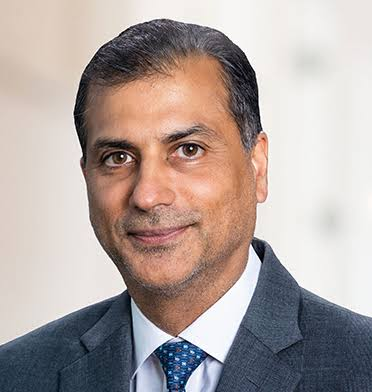
Vir S. Advani, Chairman, CII Western Region and Chairman & Managing Director, Blue Star Ltd. noted that growth relies on balanced funding. “Mumbai’s growth cannot be an either-or choice between redevelopment and greenfield development. It is about directing every Rs to where it creates the greatest economic and social value. With integrated planning, stronger connectivity, policy certainty and a shared commitment to sustainability and resilience, we can move beyond decoding Mumbai 2030 to building a more competitive, liveable and future-ready city,” he said.
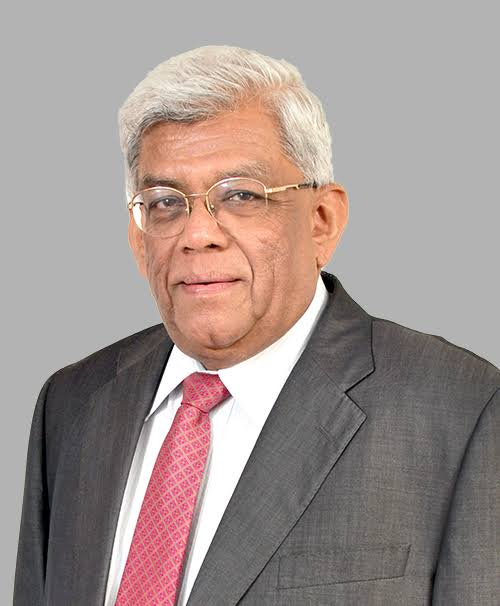
Deepak Parekh, Chairman, HDFC Asset Management Company & HDFC Capital Advisors, highlighted housing priorities. “India’s housing challenge demands that we build faster, smarter and for greater affordability. Mumbai’s strong demand, coupled with redevelopment and new development opportunities, can transform the city over the next five years. By embracing faster construction technologies and focusing more on smaller, accessible homes, developers can help address the housing need while shaping a more inclusive Mumbai,” he stated.
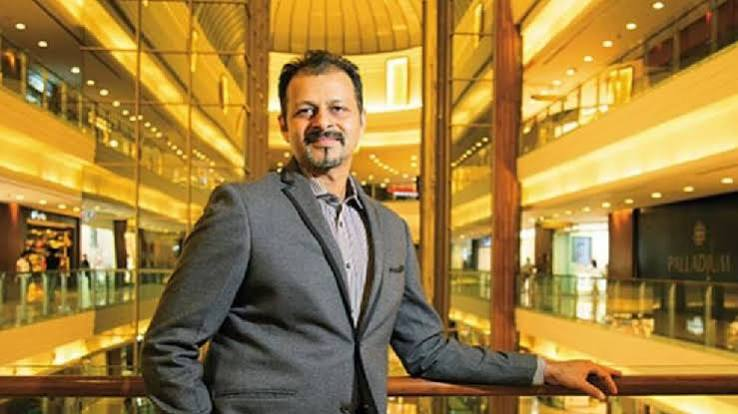
“Reimagining and reinventing Mumbai will require vision, ambition and the courage to embrace new possibilities. As the city looks towards 2030, stronger infrastructure, metro connectivity and new development opportunities are opening the door to a new era of growth. With bold thinking and the confidence to transform our best assets, Mumbai can create iconic financial and commercial districts and emerge as a bigger, bolder and truly global city,” added Atul Ruia, Chairman, The Phoenix Mills Ltd.
Average annual office leasing in Mumbai reached approximately 11.8 million sq. ft. between 2022 and 2026 (est.), with total office stock projected to grow 1.3 times by 2030. Mumbai accounted for roughly 16% of India’s office inventory as of the first half of 2026. Future demand is expected to be led by the BFSI, technology, and flexible space sectors.
In other asset classes, total residential stock is expected to expand 1.5 times by 2030, driven by transit-oriented corridors and slum rehabilitation projects. In industrial and logistics, where Mumbai currently holds nearly 25% of national inventory, growth will be supported by infrastructure upgrades and institutional industrial parks. Additionally, Mumbai’s installed data centre capacity is projected to grow 2.1 times by 2030, increasing its national market share from 52% in H1 2026 to an estimated 68%.