Mumbai Solidifies Position as Largest Residential Market in 2025; Office Leasing Second Highest in Decade: Knight Frank

Mumbai, January 10, 2026: Knight Frank India, in its latest report, India Real Estate: Office and Residential Market, July–December 2025 (H2 2025), cited that Mumbai’s real estate market remains a cornerstone of India’s economic narrative. The city concluded 2025 with office leasing volumes representing the second-highest level in over a decade, while the residential sector demonstrated a healthy balance, with prices firming up and developers exercising supply discipline to align with steady end-user demand.
Office Market Update: July – December 2025
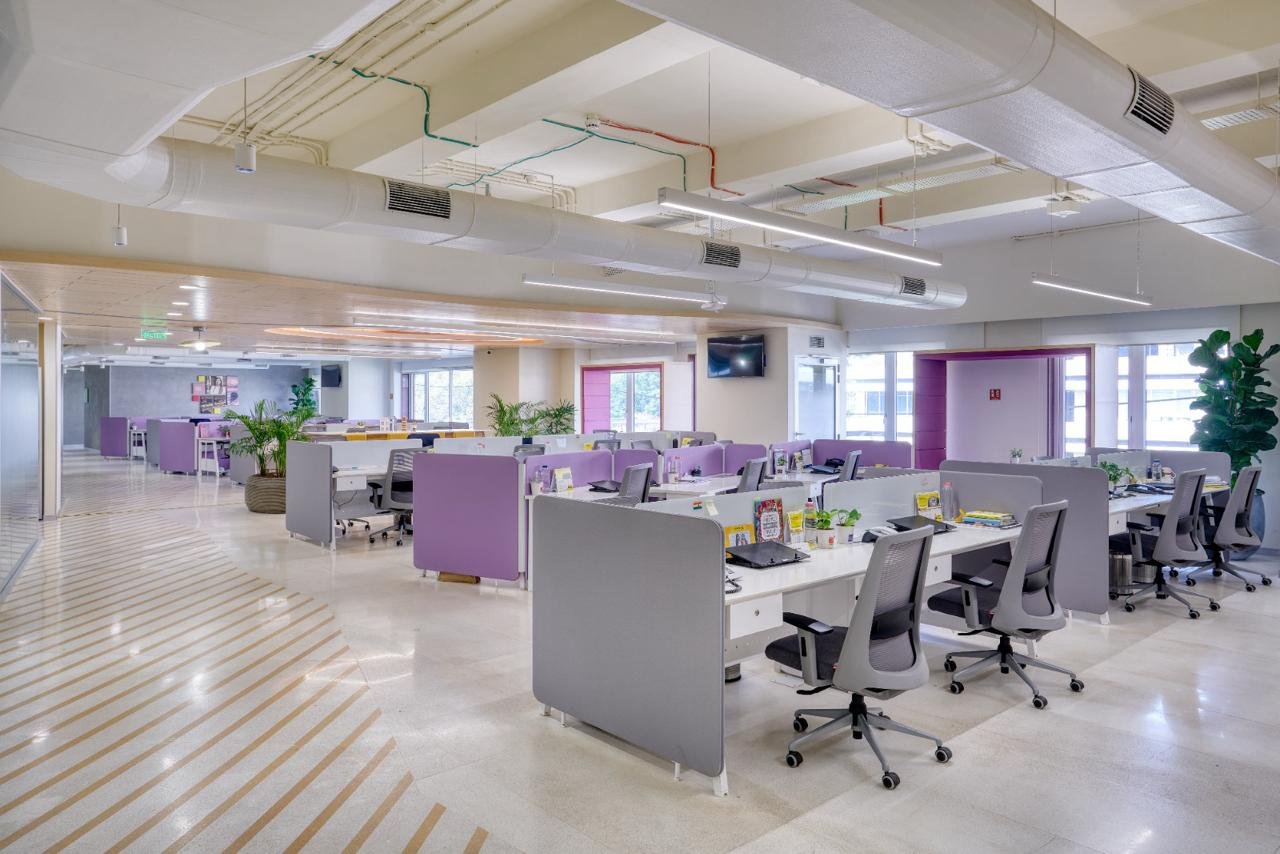
Mumbai’s office market remained steady in 2025, with total annual leasing reaching 9.8 MSF. While volumes eased by 5 per cent YoY, it still positioned 2025 as second strongest year for commercial activity in over ten years. Transactions in H2 2025 stood at 4.3 MSF, supported by large-format deals in scalable suburban locations.
The occupier mix in H2 2025 saw a significant transformation as Global Capability Centres (GCCs) emerged as a powerhouse of demand. The share of GCCs in total leasing rose sharply from 9 per cent to 27 per cent YoY, driven by BFSI, technology, and engineering firms focusing on data analytics and product development. Share of India-facing occupiers remained the largest customers at 40 per cent in H2 2025, although this was a decline from the 72 per cent share seen in H2 2024. Third-party IT/ITeS activity also grew materially to a 20 per cent share, focusing on cost-sensitive back-office and managed services in suburban hubs. Large transactions were concentrated in SBD West and PBD, which together accounted for over 60 per cent of total leasing, led by Andheri East, Goregaon, Airoli, and Thane.
Rental performance also remained robust, with average transacted rents rising by 6 per cent YoY to INR 125/sq ft/month. The growth was underpinned by quality-driven demand and muted supply additions. Core markets like BKC and Worli continued to command the highest premiums, with rents often exceeding INR 350-600/sq ft/month. In contrast, suburban markets offered competitive rentals for occupiers seeking scale and operational efficiency. Vacancy levels remained contained at 18.3 per cent, benefiting from the subdued pace of new completions.

Gulam Zia, International Partner, Senior Executive Director, Research, Advisory, Infrastructure and Valuation, Knight Frank India, said, “Mumbai’s office market continues to demonstrate long-term stability, with 2025 recording the second-highest annual leasing volume in over a decade. The most compelling story is the rapid rise of GCCs, whose market share nearly tripled this year as global firms leverage Mumbai’s deep talent pool for high-end analytics and shared services. Despite a 12 per cent drop in new completions, the city has maintained a balanced vacancy level, with demand increasingly gravitating toward well-connected suburban hubs that offer the scale and infrastructure modern occupiers require.”
Residential Market Update: July – December 2025
Mumbai’s residential sector remained stable, concluding the year with annual sales of 97,188 units, a 1 per cent YoY growth. The second half of the year (H2 2025) was relatively strong, with sales rising 3 per cent YoY to 50,153 units. This performance is significant given the city’s ability to maintain demand despite a higher base and a 7 per cent YoY rise in average property prices, which now stand at INR 8,856/sq ft.
A defining trend in H2 2025 across India was the flattening demand for the affordable segment (less than INR 5 mn), whose sales share dropped from 42 per cent in H2 2024 to 37 per cent in H2 2025. In contrast, the share in the ticket segments (INR 20-100 mn) gained substantial ground. Specifically, the INR 20-50 mn segment proved to be the market’s sweet spot with a healthy Quarters-to-Sell (QTS) ratio of 3.9 quarters. In fact, developers also showcased strategic discipline, with annual launches moderating by 10 per cent to 87,114 units to better align with buyer absorption. This resulted in a 6 per cent reduction in unsold inventory, which now stands at 155,604 units. Peripheral Central Suburbs remained the primary demand engine (28 per cent sales share), further bolstered by the operationalization of major infrastructure like the fully underground Metro Line 3 and the Mumbai Trans Harbour Link (Atal Setu).
Gulam Zia added, “Mumbai’s residential market is navigating a phase of healthy consolidation, where demand remains steady even as the market shifts toward higher ticket sizes. The rise in share for the INR 20-50 mn and INR 50-100 mn segments highlights a growing buyer confidence in premium housing that offers better lifestyle amenities. While developers have been disciplined with a 10 per cent reduction in annual launches to manage inventory, the 7 per cent price appreciation and improving metro connectivity continue to make peripheral locations highly attractive for end-users seeking better value and efficient commutes.”