Noida Real Estate Shift: Urban Ecosystems and Connectivity Drive Residential Demand
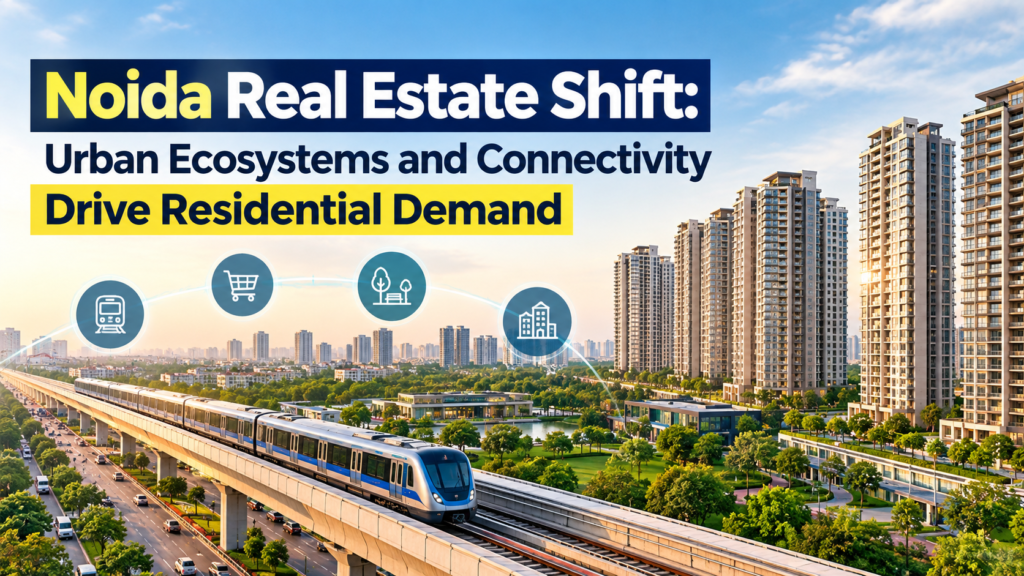
Noida, September 30, 2026: Noida’s real estate market is undergoing a significant transition from basic connectivity to a comprehensive community-led urban model, as buyers increasingly prioritize neighborhood quality, access to employment, and social infrastructure over standalone property specifications.
According to ANAROCK’s Q1 2026 data, average quoted prices reached Rs 10,000 per sq ft in Greater Noida West and Rs 14,600 per sq ft in Sector 150, with both micro-markets recording quarterly price increases. Locations like Noida Extension are gaining prominence due to upgraded transit links that shorten daily commutes and integrate residential spaces into broader economic zones.

Highlighting this change, Sanjay Sharma, Director, SKA Group, said, “Connectivity is becoming an increasingly important part of the Noida changing Urban Ecosystem story with Noida Extension because it is influencing how people perceive the entire neighborhood, rather than simply the journey from one point to another. Better road infrastructure and stronger links with Noida and Greater Noida are improving access to employment hubs and everyday conveniences, while the surrounding development is adding greater depth to the residential environment. As these connections strengthen, the location becomes easier to integrate into daily routines. That is creating a more rounded proposition, where accessibility, social infrastructure and the quality of the neighbourhood work together to shape residential demand.”
In the luxury housing sector, buyer preferences have shifted toward open space, privacy, and long-term livability alongside traditional architectural design.
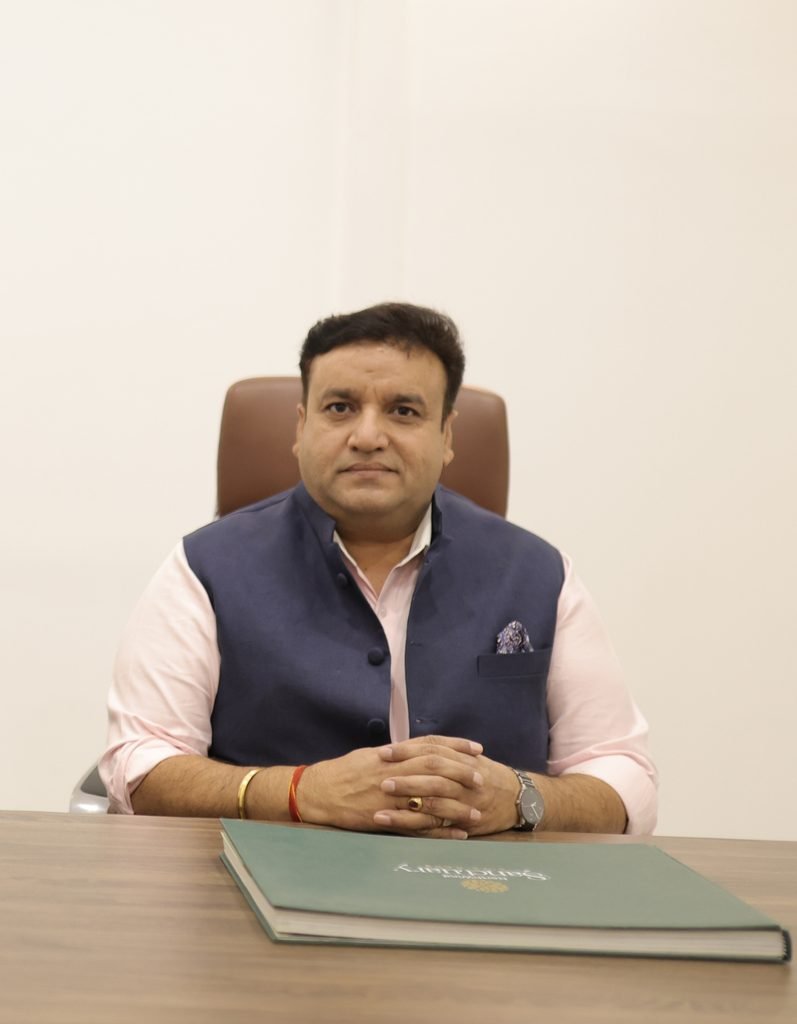
Commenting on luxury trends, Manoj Kumar Garg, Chairman, Northwind Group, said, “Today, the premium homebuyer is increasingly evaluating a residence through the quality of life it can offer over the long term. Privacy, open spaces and well-planned amenities have become important because they shape how people experience their home every day. At the same time, connectivity remains essential, allowing residents to stay within easy reach of workplaces, education, leisure and social infrastructure. This is giving luxury a more experiential dimension. The residence, its immediate surroundings and the wider neighbourhood are increasingly being considered as one proposition, with comfort, exclusivity and convenience coming together to define the premium living experience.”
Key transit routes, including the Noida-Greater Noida Expressway and the Yamuna Expressway, are emerging as major commercial and economic belts. These corridors connect housing projects with corporate hubs, educational centers, retail outlets, and essential infrastructure, driving integrated regional development.

Detailing the commercial growth, Azad Ahmed Lone, President, Biigtech, said, “The Noida-Greater Noida Expressway and Yamuna Expressway are playing an important role in shaping a wider economic belt, with residential communities, offices, knowledge institutions and major infrastructure projects coming together along and around these corridors. As more people live and work in these locations, everyday consumption is naturally moving closer to the developing catchments. Retail, food, services and leisure are finding new opportunities around these communities, while businesses benefit from a growing local customer base. This convergence is giving surrounding neighbourhoods greater commercial depth and helping create destinations where residential and economic activity can grow alongside each other.”
Overall, Noida’s real estate ecosystem is shifting toward an interdependent model where mobility, housing, commerce, and community facilities jointly shape long-term property values.