How North India Real Estate Has Changed in the Last 20 Years
Introduction
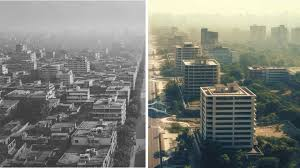
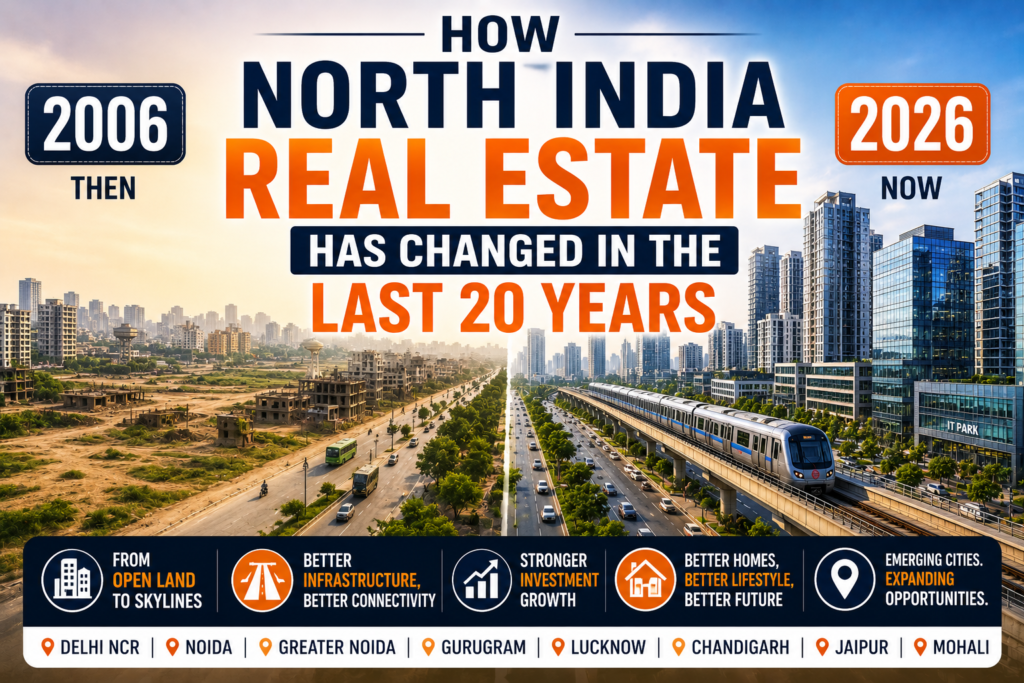
Twenty years ago, North India’s real estate market looked very different from what it is today. Property investments were largely concentrated in Delhi, while cities like Noida, Gurugram, Greater Noida, Lucknow, Jaipur, Mohali, and Chandigarh were still emerging destinations. Limited infrastructure, slower urban expansion, and fewer organized developers defined the market.
Fast forward to 2026, and the region has transformed into one of India’s most dynamic real estate corridors. Massive infrastructure projects, metro rail networks, expressways, airports, policy reforms, and increasing corporate investments have reshaped both residential and commercial markets. Understanding how North India real estate has changed in the last 20 years offers valuable insights for homebuyers, investors, and industry professionals looking to make informed decisions.
The Beginning of a New Era
The early 2000s witnessed the first wave of organized real estate development in North India. Delhi was already a mature market, but neighbouring cities started benefiting from planned urban expansion.
Developers began acquiring land in areas that would later become today’s major investment destinations. Cities like Noida and Gurugram evolved from satellite towns into thriving business hubs.
Several factors contributed to this transformation:
- Rapid urbanization
- Population growth
- Economic liberalization
- Rising disposable incomes
- Expansion of IT and corporate sectors
- Growing housing demand
These changes laid the foundation for long-term real estate growth.
Infrastructure Became the Biggest Growth Driver
Infrastructure has arguably been the single most influential factor in North India’s real estate transformation.
Metro Rail Expansion
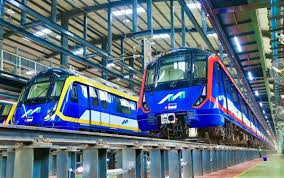
The Delhi Metro, launched in 2002, revolutionized urban mobility. Over time, metro connectivity expanded into:
- Noida
- Greater Noida
- Gurugram
- Ghaziabad
- Faridabad
- Bahadurgarh
Properties located near metro stations experienced stronger demand and higher appreciation.
Expressways Changed Investment Hotspots
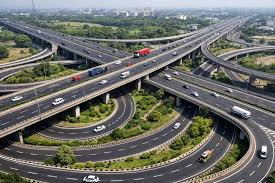
The development of major expressways reshaped property demand across North India.
Some of the biggest infrastructure catalysts include:
- Yamuna Expressway
- Noida-Greater Noida Expressway
- Dwarka Expressway
- Delhi-Mumbai Expressway
- Delhi-Meerut Expressway
- Eastern Peripheral Expressway
- Western Peripheral Expressway
- Delhi-Dehradun Expressway
These corridors opened entirely new micro-markets for residential, retail, logistics, and commercial developments.
Airports Boosted Regional Growth
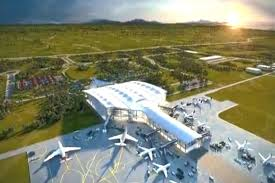
Airport-led development has become one of the strongest real estate themes.
Key examples include:
- Indira Gandhi International Airport
- Noida International Airport (Jewar)
- Chandigarh International Airport
The upcoming Noida International Airport has accelerated investment across Greater Noida, Jewar, Yamuna Expressway, and nearby regions.
Delhi NCR Emerged as India’s Largest Real Estate Market
Over the last two decades, Delhi NCR has transformed into India’s largest integrated property market.
Instead of one dominant city, the region now includes several high-performing destinations:
Gurugram
Known for:
- Grade A office spaces
- Luxury residences
- Global corporate headquarters
- Premium mixed-use developments
Noida
Today Noida offers:
- IT parks
- Data centres
- Luxury housing
- Educational institutions
- Industrial zones
- Strong infrastructure
Greater Noida
The city has evolved into a preferred destination for:
- Affordable housing
- Integrated townships
- Educational campuses
- Warehousing
- Manufacturing
Ghaziabad
Better connectivity and metro expansion have transformed Ghaziabad into a major residential destination.
Faridabad
Infrastructure upgrades have significantly improved the city’s residential and industrial appeal.
Housing Preferences Have Changed
Consumer expectations today are very different from those of 20 years ago.
Earlier buyers focused primarily on:
- Location
- Basic construction
- Price
Today’s homebuyers prioritize:
- Smart homes
- Wellness amenities
- Clubhouses
- Green spaces
- EV charging
- Security
- Work-from-home spaces
- Sustainable construction
Developers have adapted by creating integrated lifestyle communities instead of standalone housing projects.
Affordable Housing Gained Momentum
Government initiatives have encouraged homeownership through:
- PMAY
- Interest subsidies
- Better financing
- Lower GST on affordable homes
Affordable housing has expanded significantly in cities like:
- Greater Noida
- Ghaziabad
- Lucknow
- Jaipur
- Mohali
Luxury Housing Became a Major Growth Segment
Luxury housing was once limited to South Delhi.
Today, premium developments can be found across:
- Gurugram
- Noida
- Greater Noida
- Chandigarh
- Mohali
Demand is being driven by:
- NRIs
- Entrepreneurs
- CXOs
- Startup founders
- High-net-worth individuals
Features now include:
- Sky villas
- Branded residences
- Wellness communities
- Smart automation
- Concierge services
Commercial Real Estate Witnessed Massive Expansion
North India’s office market has grown rapidly over the last two decades.
Cities like Gurugram and Noida now host:
- Fortune 500 companies
- Global Capability Centres (GCCs)
- IT parks
- Co-working spaces
- Technology campuses
Retail real estate has also expanded with modern shopping malls, entertainment centres, and mixed-use developments becoming integral to urban planning.
RERA Improved Market Transparency
The introduction of the Real Estate (Regulation and Development) Act, 2016 brought greater accountability to the sector.
Major improvements include:
- Project registration
- Timely delivery
- Buyer protection
- Transparent pricing
- Escrow accounts
- Standardized carpet area
RERA has strengthened buyer confidence and encouraged more organized development.
Sustainability Is Reshaping Development
Environmental awareness has become a key factor in real estate planning.
Developers now emphasize:
- IGBC-certified buildings
- Solar energy
- Rainwater harvesting
- Green building materials
- Energy-efficient systems
- Waste management
Sustainability has become a competitive advantage rather than an optional feature.
Emerging Investment Hotspots
Several emerging corridors are attracting strong investor interest.
These include:
- Noida International Airport region
- Yamuna Expressway
- Dwarka Expressway
- New Gurugram
- Sohna
- Greater Noida West
- Lucknow Outer Ring Road
- Mohali IT City
These locations benefit from ongoing infrastructure development and expanding employment hubs.
Challenges That Still Exist
Despite remarkable progress, certain challenges remain:
- Rising land prices
- Urban congestion
- Environmental concerns
- Approval delays
- Traffic management
- Affordable housing supply gaps
Addressing these issues will be crucial for sustaining long-term growth.
Expert Tips for Property Buyers
Before investing:
- Choose RERA-registered projects.
- Prioritize infrastructure-driven locations.
- Research the developer’s track record.
- Consider long-term connectivity plans.
- Evaluate rental demand.
- Compare social infrastructure.
- Assess future commercial development.
- Diversify investments across emerging corridors.
Indian Market Perspective
North India’s real estate market is entering a new growth phase driven by infrastructure, technology, urbanization, and policy reforms. The expansion of metro networks, expressways, logistics parks, industrial corridors, and airport-led development is creating new opportunities beyond traditional city centres.
Demand is no longer limited to Delhi. Cities such as Noida, Gurugram, Greater Noida, Lucknow, Jaipur, Chandigarh, Mohali, and emerging micro-markets along major infrastructure corridors are attracting homebuyers and institutional investors alike. The rise of Global Capability Centres, flexible workspaces, luxury housing, and sustainable developments is also reshaping market dynamics.
As India moves toward becoming a multi-trillion-dollar economy, North India is expected to remain one of the country’s strongest real estate growth engines.
Conclusion
Over the past two decades, North India’s real estate market has evolved from a region dominated by a few established cities into a diverse and interconnected property ecosystem. Infrastructure development, regulatory reforms, expanding business districts, and changing consumer preferences have transformed how people live, work, and invest across the region.
For buyers and investors, the opportunities today are broader than ever—but success depends on choosing the right location, developer, and long-term growth corridor. Staying informed about market trends and upcoming infrastructure projects will remain key to making smart real estate decisions.
Stay updated with the latest real estate news, market insights, and investment trends on RealtyNMore.