News
Prominent high streets in the limelight of leading retail brands: JLL

The following is the report by Pankaj Renjhen, Managing Director – Retail Services, JLL India
India’s traditional bazaars have evolved into today’s high streets. At the same time, the perception of high streets being down-market is changing. They – particularly the prominent high streets – enjoy respectable positioning in the Indian retail scenario today.
JLL’s latest research paper ‘High Streets In Vogue – Always’, which examines the character of 24 of the most popular high streets in India, confirms that high streets have successfully stood the test of time in India. These are markets that have created a unique selling proposition distinctly their own through constant evolution and, in many cases, catering to specific niche segments.
As a result, these high streets have managed to attract favour of not only local brands that operate in India but also national and international brands that would otherwise not consider venturing beyond posh mall interiors. In every city that we looked at, there are 2-4 high streets that have constantly evolved and managed to retain their reputation as important retailing destinations.
This is more than just an interesting market fact. A better understanding of the various Indian high streets – from their origins to their successful evolution over time – can help retailers refine their strategies and strengthen their presence in these markets. For instance, brands that seek volume growth may choose to have a store along the ‘transit-oriented’ high streets, while those more focused on effective brand positioning need to opt for the right ‘destination’ high streets.
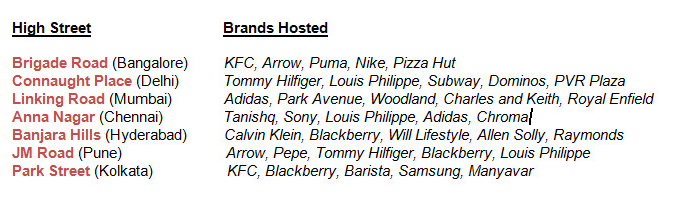
As each high street has a unique selling proposition of its own in terms of product categories, neighbourhood and/or consumer perception, it is clearly appropriate and desirable to align a brand’s strategic positioning with the defining attributes of a particular high street.
In the years to come, we foresee that their individual attributes will play a bigger role in changing the shape of each of these high streets. We are, in fact, looking at the beginning of a great revolution in high streets across Indian cities, much in the manner that informal shopping centres have been making way for organised malls.
Irrespective of the challenges of high streets – largely external factors – individual landlords and retailers of these markets will see immense benefit in collaborative efforts towards improving the overall experience of shoppers that visit these markets. The scope for such collaboration is huge, and can include marketing activities, sales strategies, organising events, parking arrangements, etc.
In the next couple of years, we will see a thinning-down of variation between popular high streets and Grade-B malls across the leading cities. Whether this will have a material impact on the business of Grade-B malls is something that bears close scrutiny.

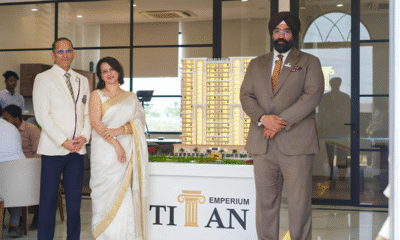

Emperium Group Launches ‘Emperium Titan’ on Dwarka Expressway; Sets New Benchmark for Ultra-Premium Living in Gurugram
Gurugram, April 4, 2026: Real estate developer Emperium Group has announced the launch of its latest ultra-premium residential project, ‘Emperium...


Highway Hub Signs MoU With Viva Apotek to Develop Retail Network
Highway Hub, a venture by the Pragati Group, has signed an MoU to form a Joint Venture with Viva Apotek...


How Technology is Changing Real Estate
A complete, human-style deep dive into the future of property, investment, and living Introduction: A Digital Revolution in Real Estate...
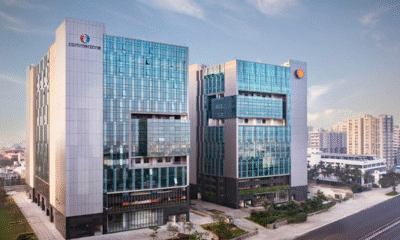

Mindspace REIT Expands Chennai Footprint with ₹2,541 Crore Acquisition of Commerzone Pallikaranai
Mumbai, April 2, 2026: Mindspace Business Parks REIT has announced a major expansion of its southern India footprint with the...


Abhee Ventures Brings a Scotland-Inspired Living Concept to Bengaluru
Bengaluru: Abhee Ventures is preparing to bring a residential development in Bengaluru,inspired by the enduring architectural charm and pastoral serenity...
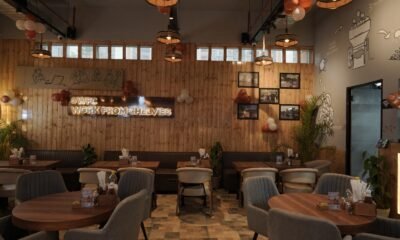

Chelvies Coffee Company Opens at Spectrum@Metro, Noida
Noida, April 3, 2026: Strengthening its vibrant retail and F&B mix, Spectrum@Metro haswelcomed the launch of Chelvies Coffee Company, a...
-
 News3 weeks ago
FractoProp Receives SEBI Registration for Ridhama Real Estate Fund
-
 News1 week ago
How Noida International Airport Will Impact Property Prices
-
News5 days ago
Noida International Airport Inauguration Sparks New Real Estate Boom For NCR
-
News2 weeks ago
Rise of Airport-Linked Real Estate: Opportunities Emerging Around Jewar
-
News3 weeks ago
Enviro Infra Engineers Secures ₹411 Crore Bihar Sewerage Project Under AMRUT 2.0
-
News3 weeks ago
Greenlands Global Private Limited Appointed as Managing Partner for Big FM Realty’s ₹1,200 Crore Mixed-Use Development
-
 News3 weeks ago
India Maintains Competitive Edge as Asia-Pacific Office Fit-Out Hub, Reports Knight Frank
-
News4 weeks ago
Leading with Impact: Women Leaders Shaping the Future of Business