Redefining Luxury: What Today’s Homebuyers Expect from High-End
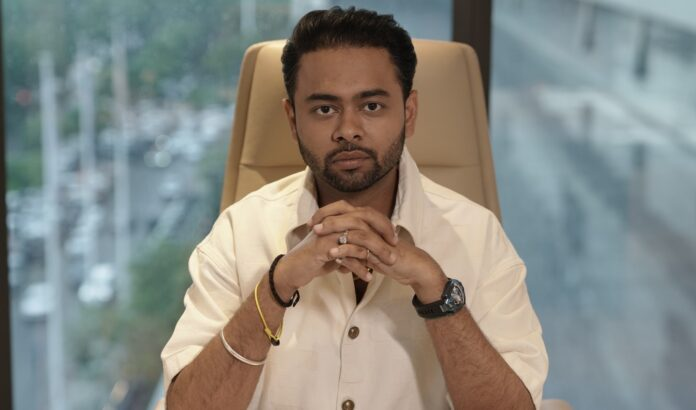
By Umang Jindal, CEO, Homeland Group
Not long ago, in the real estate market, luxury was defined by a simple checklist: size, a prime address and a price tag that made headlines.
That’s not the case anymore. Today’s buyers, whether millennial entrepreneurs, NRIs returning home or long-time city residents with rising fortunes, expect far more. They want spaces that not only look the part but feel tailored to their life.
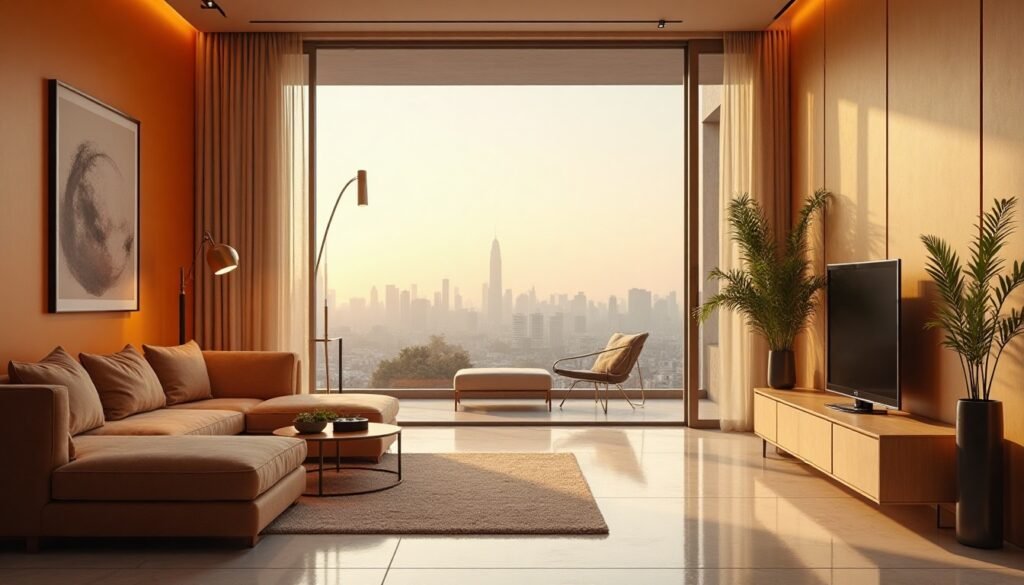
A living room that greets you with the right light at the right time of day. The air feels cleaner indoors than it does outside. A layout that lets you host friends in style but also find a quiet corner when you need one. This isn’t indulgence anymore; it’s just what “luxury” means in 2025.
It’s something you can sense if you speak to enough buyers. They’ve seen what’s possible abroad, in hotels, resorts and private residences, and they’re bringing that bar back with them. Smart systems that manage climate, security and even pantry supplies without fuss. Surfaces and finishes that not only look expensive but also last. And a level of design detail right down to the texture of the flooring that tells them this is a space worth living in for years.
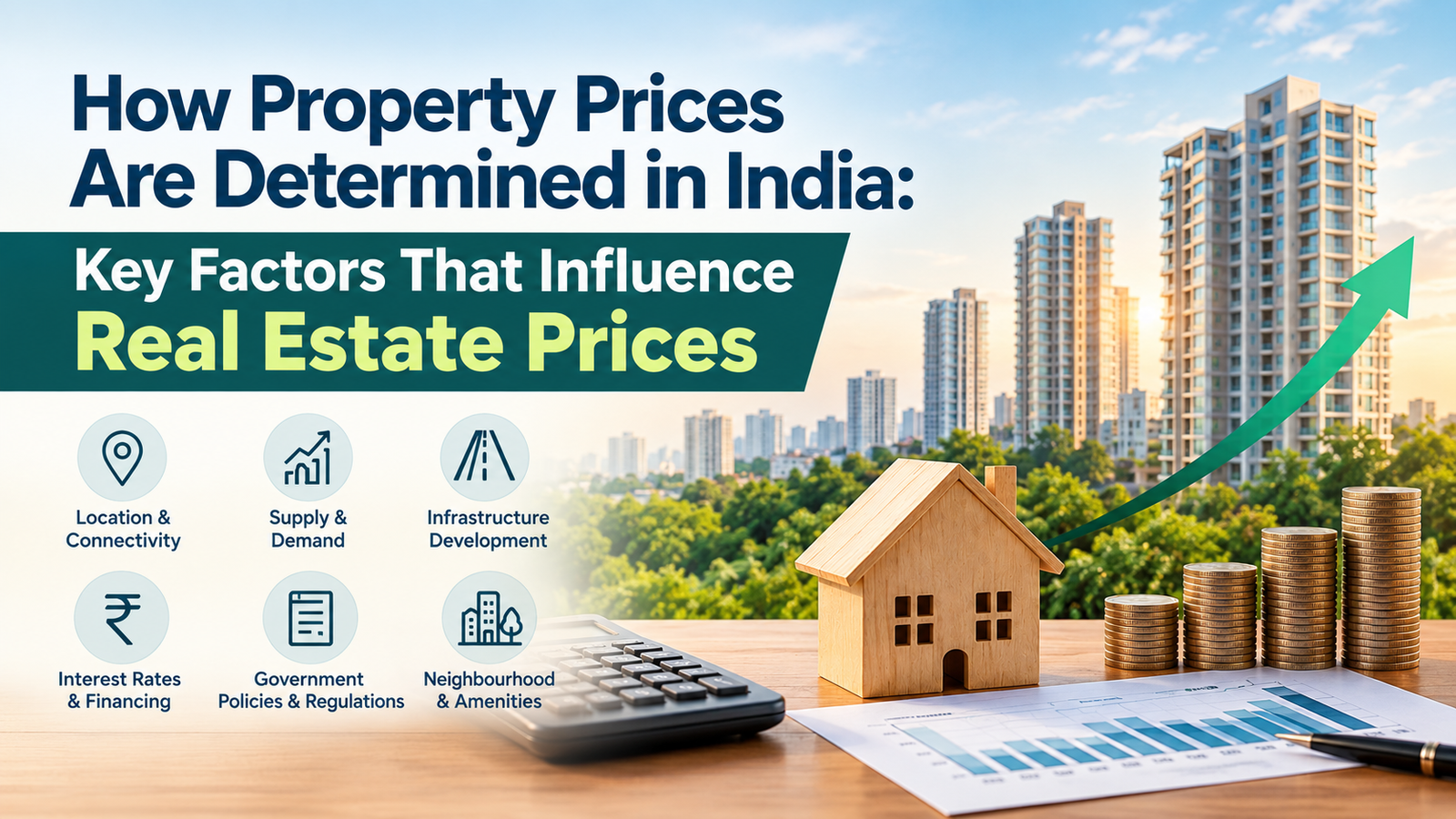
The numbers, quietly, are confirming what the eye already sees. Across India, homes priced above a crore are finding buyers faster than ever. The ultra-luxury segment, INR 2 crore-plus homes, has grown even faster. And much of this action isn’t in the metros.
Better roads, cleaner public spaces and commercial districts that don’t just function but feel inviting. All of it adds up to an environment where high-end living actually feels possible and enhances the charm of such cities.
For developers, this creates both excitement and pressure. These buyers aren’t just signing on for four walls and a title deed. They’re buying into a vision of life, and they’ll know if the details don’t match the promise.
Wellness is huge—perhaps the defining element of this shift. Sustainability, too, has moved from brochure bullet point to daily necessity. Solar panels, rainwater harvesting, air-purifying plants—these aren’t selling points anymore; they’re expectations.
A recent CREDAI-Liases Foras study covering 60 cities shows just how much the real estate map is shifting. In 2024 alone, 44 per cent of the 3,294 acres acquired by developers were in Tier 2 and 3 locations—markets once considered peripheral but now firmly in the growth spotlight.
That same year, housing sales touched 6.81 lakh units, up 23 per cent from the previous year while the total sales value in the primary market climbed to INR 7.5 trillion, a sharp 43 per cent jump fuelled by sustained demand across all segments.
Within that surge, luxury and ultra-luxury properties clearly led the charge, accounting for 71 per cent of the total sales value. Homes priced between INR 1 crore and INR 2 crore recorded a 52 per cent rise in sales with over 1.32 lakh apartments changing hands while the INR 2 crore-plus categories grew by an extraordinary 73 per cent.
Much of this momentum is being propelled by better infrastructure, higher disposable incomes and a growing appetite for premium living outside the metros. It’s a trend now playing out strongly in Punjab’s own Tier-2 hubs, such as Mohali, Zirakpur, and Ludhiana—cities rapidly emerging as serious contenders in the high-end housing market.