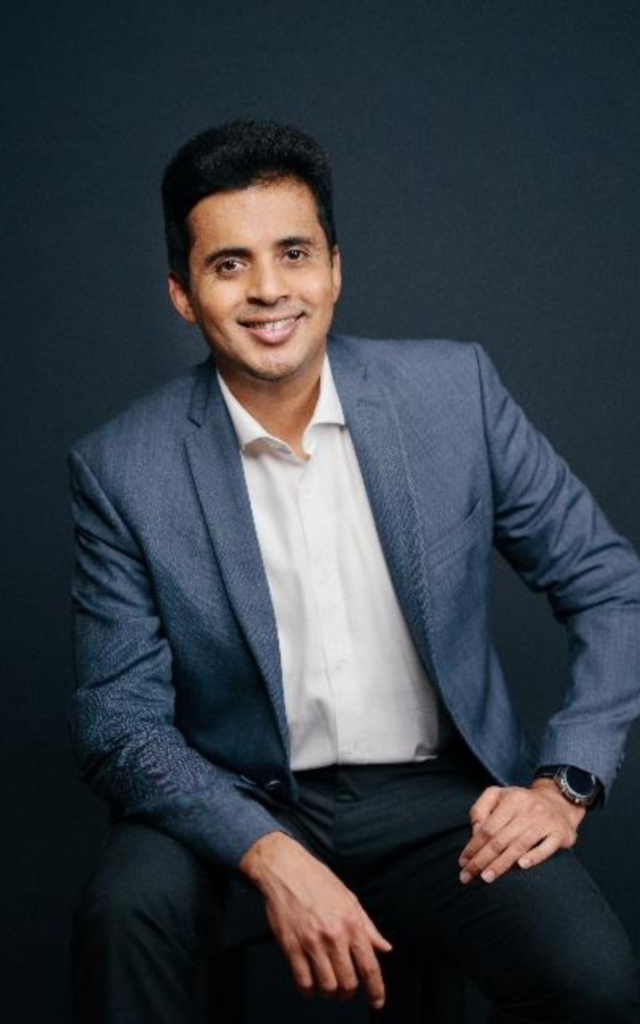
Retirement Is Not a Destination — It’s a Design Problem
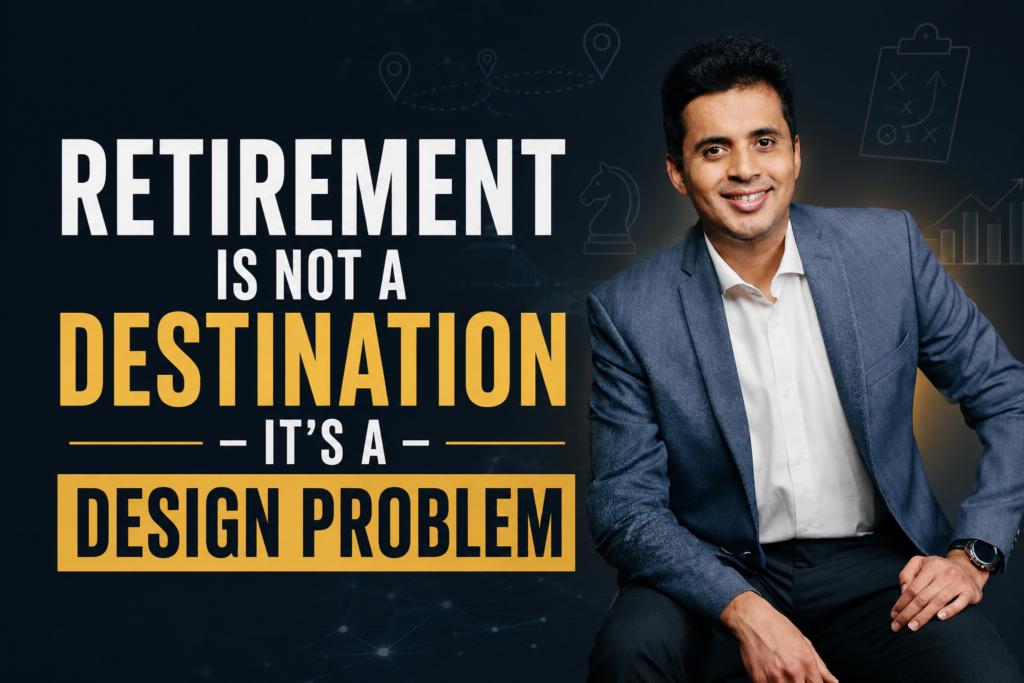
By Adarsh Narahari, Age Experience Designer, Founder & Managing Director, Primus Senior Living & Marzi
For generations, Indians have been taught to view retirement as the ultimate milestone. It is the point towards which careers are built, savings are accumulated, and life plans are organised. We speak about retirement as though it is the finish line—the moment responsibilities end and one steps away from the demands of work.
But is retirement really the destination we have made it out to be?
With people living longer, healthier, and more active lives than ever before, retirement should no longer be seen as an ending. It should be viewed as the beginning of a new chapter—one that offers the freedom to pursue passions, nurture relationships, continue learning, and contribute meaningfully without the pressures of a full-time career. The challenge is that while life expectancy has changed dramatically, our understanding of retirement has not.
A Concept Designed for a Different Era
The modern concept of retirement dates back to the late 19th century, when German Chancellor Otto von Bismarck introduced a pension system for ageing workers. At the time, average life expectancy was around 45 years, making retirement a social welfare mechanism for those nearing the end of life.
Today, most Indians retire between 58 and 60, while life expectancy is approaching 70 years and continues to rise. Many will spend two or even three decades after leaving the workforce. Yet our social systems continue to treat retirement as withdrawal rather than transition. The question is no longer whether people can afford retirement—it is whether we have designed life after retirement in a way that allows people to truly thrive.
Purpose: The Missing Infrastructure of Retirement
Human beings are wired for purpose. We seek connection, contribution, learning, and belonging throughout our lives. Financial planning remains important, but retirement readiness must also include planning for purpose. What will motivate someone to wake up every morning? Who will they interact with? What communities will they belong to? These questions often shape quality of life far more than the size of a retirement corpus. Purpose is not a luxury in later life—it is a necessity.
The Invisible Decline Curve
In senior care, there is a pattern known as the Invisible Decline Curve. It does not begin with a diagnosis or a fall. It begins quietly—with fewer walks, skipped meals, disrupted sleep, shrinking social circles, and reduced engagement. One routine disappears, then another, until the circle of life gradually becomes smaller.
Much of this decline is environmental rather than inevitable. Research consistently links social isolation among older adults to higher risks of cognitive decline, depression, cardiovascular disease, and reduced overall wellbeing. Loneliness is no longer viewed as merely an emotional experience—it is increasingly recognised as a serious public health challenge. The environments in which seniors live can either slow this decline or accelerate it.
Why Space Matters More Than We Think
When discussing ageing, conversations often centre on healthcare and finances, while overlooking one of the biggest influences on healthy ageing: the spaces people inhabit every day. Space shapes behaviour. Traditional residential environments can unintentionally encourage isolation, limiting opportunities for movement and social interaction. This is why retirement is fundamentally a design challenge—not just architectural design, but behavioural design. The real question is not how we house older adults, but how we create environments that naturally encourage movement, participation, and connection.
Designing Communities Around Purpose
Thoughtfully designed senior living communities are not built around amenities alone—they are built around purpose. Walkable pathways, landscaped gardens, and accessible infrastructure encourage movement. Shared dining areas, courtyards, libraries, and activity spaces foster spontaneous interactions and meaningful relationships. Universal design and age-friendly homes promote independence, allowing residents to maintain dignity and confidence.
Most importantly, communities must create opportunities for purpose through volunteering, mentoring, lifelong learning, creative pursuits, and intergenerational engagement. The most important design question is not, “What amenities do we offer?” It is, “What reasons do people have to show up every day?”
Rethinking Retirement for a New India
As India prepares for a rapidly ageing population, we must move beyond viewing senior living as simply a real estate product. The future lies in creating ecosystems that combine community, healthcare, wellness, hospitality, and purposeful engagement.
Retirement was designed for a different century and a different reality. Today, the goal is not merely to extend lifespan, but to extend healthspan, independence, and fulfilment. Retirement is not about stepping away from life—it is about designing a life worth stepping into.
Because retirement is not a destination. It is a design problem.
Disclaimer: Views expressed in this article are those of the author, and not necessarily of Realty&More.