Sacred Cities, Smart Development: Can Real Estate Growth Preserve the Identity of Temple Towns?
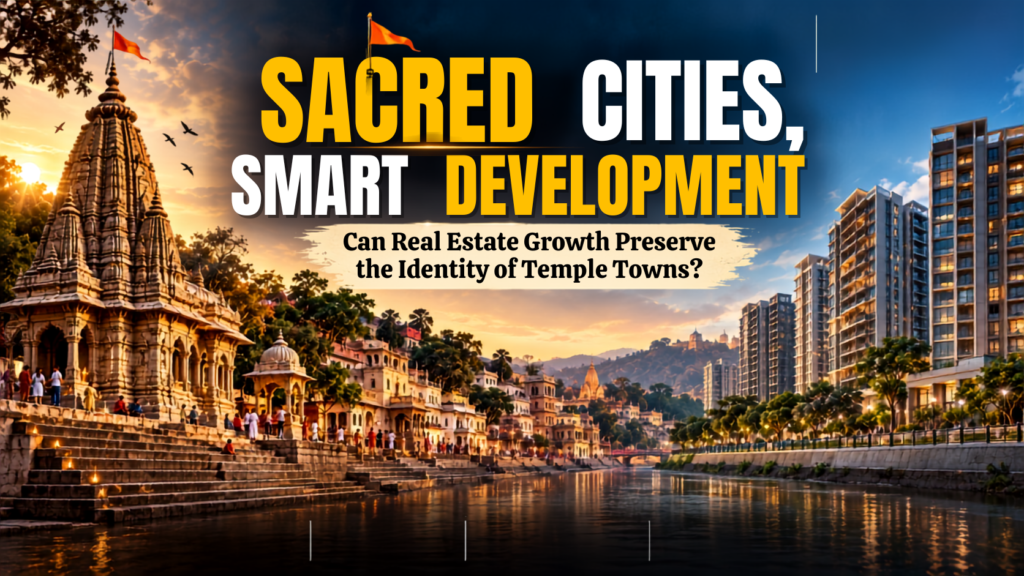
Shirdi, September 17, 2026: India’s temple towns are transitioning from seasonal pilgrimage spots into year-round tourism and economic hubs, creating demand for improved accommodation, retail, residential spaces, and civic infrastructure. The key challenge facing urban planners and developers is facilitating this expansion without compromising the cultural and spiritual identity of these destinations, some prominent real estate developers said.
Government initiatives such as PRASHAD and Swadesh Darshan are guiding this shift by focusing on sustainable tourism, last-mile connectivity, sanitation, and waste management. The Ministry of Tourism has highlighted the necessity of retaining the spiritual character of pilgrimage sites while expanding their underlying infrastructure.
Cities like Shirdi illustrate this changing dynamic, where enhanced regional connectivity and organized hospitality are expanding the local economy beyond short-term visits.
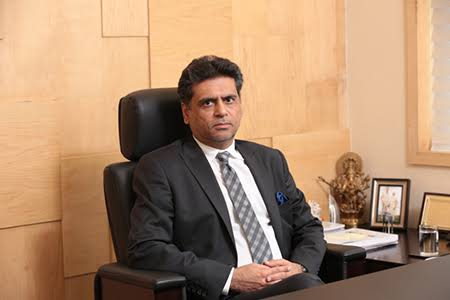
“Shirdi is evolving beyond its traditional identity as a pilgrimage destination into a more organised tourism and hospitality ecosystem. As visitor footfall grows and stays become longer, the city will need better residential, hospitality, retail and civic infrastructure. Real estate development can play an important role in this transformation, but the focus should be on planned and sustainable growth that strengthens Shirdi’s infrastructure while preserving its spiritual character, cultural identity and sense of place,” said Neeraj Gulati, Managing Director, Assotech Realty.
As stays lengthen, demand is rising for hotels, serviced residences, wellness centers, and second homes. However, real estate industry leaders emphasize that project planning must align with local carrying capacities, environmental safeguards, and heritage preservation rather than generic urban expansion.
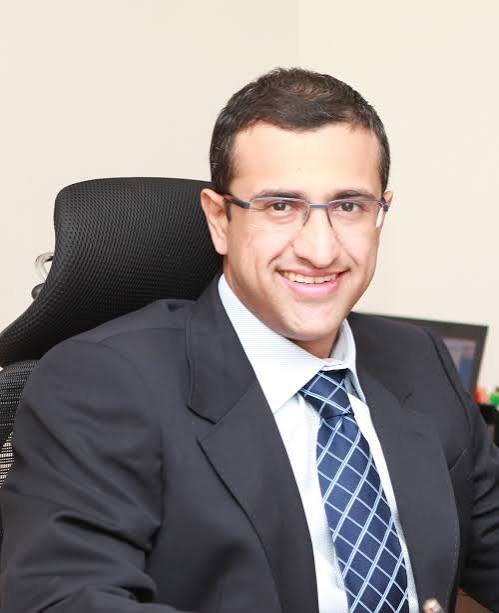
“The growth of temple towns needs to be supported by development that is planned around the local ecosystem rather than simply adding built-up space. Residential and commercial projects must integrate green infrastructure, efficient resource management and community-oriented amenities, while respecting the character of the surrounding destination. At Ansal Housing, our approach has consistently included green cover, rainwater harvesting and responsible planning across our projects, demonstrating how development and sustainability can be integrated into the built environment,” said Kushagr Ansal, Director, Ansal Housing.
Industry experts note that the future of temple town real estate will depend on integrating commercial, residential, and hospitality projects with public amenities and context-sensitive design, enabling a structured visitor economy while preserving historical character.