Interviews
Sales Velocity in Senior Living Space Tells the Story, says Antara Senior Care MD & CEO Rajit Mehta

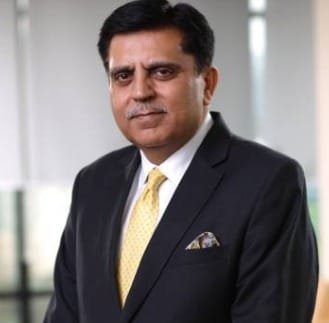
Rajit Mehta, MD and CEO of Antara Senior Care
New Delhi, December 24, 2025: India is at an inflection point in how it thinks about ageing. Rising longevity, changing family structures, and the growing burden of chronic and cognitive conditions are forcing a fundamental rethink of how—and where—seniors live. Yet, organised senior care and senior living remain nascent in India, often misunderstood as either real estate or healthcare alone, rather than a continuum of care.
Antara Senior Care has been at the forefront of building this ecosystem in India—combining senior living, assisted care, rehabilitation, and memory care into an integrated senior care ecosystem designed around dignity, independence, and continuity of support. In this conversation with Realty & More Editor-in-Chief Palash Roy, Rajit Mehta, MD & CEO of Antara Senior Care, reflects on what it takes to build an integrated senior care ecosystem in India—how demand is evolving, why intergenerational living matters, the role of in-house healthcare, the policy gaps holding the sector back, and what the future of senior living in India could look like.
Could you briefly outline the care formats Antara operates across?
We operate across three care formats:
- Independent Living – For active, healthy seniors who want safety and support
- Assisted Care Homes – Rental-based homes for seniors needing help with daily activities, transition care or longer-term care
- Memory Care – Specialised homes for Alzheimer’s and dementia patients, run by psychiatrists with enhanced safety and therapeutic interventions.
Each format is designed to ensure continuity of care as residents’ needs evolve.
Are seniors actively living at the Dehradun facility?
Yes—over 210 residents currently live there, and the community is extremely vibrant. You really have to visit to experience it. Residents play cricket, badminton, tennis, celebrate birthdays, organise seasonal events like mango parties, and participate in art, pottery, and cooking activities.
Many residents are engaged in enabling the community — some volunteer in nearby villages, others mentor or sit on advisory boards. One resident even sponsors the education of employees’ children. This level of engagement creates strong social and emotional well-being.
Are maintenance and care entirely managed by you?
Yes, completely. Beyond maintenance, we provide comprehensive wellness services. Each campus has a medical centre with doctors on-site, 24×7 nursing, physiotherapy, hydrotherapy, and temperature-controlled pools. We also offer flexible dining options i.e. residents can choose home-style food, à la carte meals, or cook themselves. There are theatres, yoga rooms, libraries, and activity spaces. All employees, from security to senior management, are emergency-trained with basic life-saving skills. Given the population we serve, preparedness is critical.
Do you maintain medical records for residents?
Yes. We use a digital EHR system called OneGlance. While residents can choose whether we store their records, we offer one free medical consultation per month for every senior, which helps us track overall health trends. Mental wellness remains a challenge—there is still stigma around psychological interventions. However, the community environment itself significantly improves social and emotional health.
Is there an age eligibility criterion for buyers?
Yes. At least one applicant must be 55 years or older at the time of possession. We also have strict community rules—homes cannot be rented to non-seniors. All facilities are designed specifically for seniors, which naturally limits interest from younger buyers. While children may stay with parents, the community is not designed for them—there are no children’s play areas, for example. Interestingly, seniors themselves told us they did not want isolated senior-only environments. They wanted to live around activity and vitality—intergenerational living, but with protected private spaces. That insight came directly from residents, not from us.
Similar concepts i.e. intergenerational living existed earlier—but they didn’t succeed.
When we launched Gurgaon with this hybrid model, the response was phenomenal. Seniors wanted to see life around them without sacrificing privacy or safety. In 11 months, we sold 290 units, which gave us the confidence to launch a second phase. The model works because while seniors live alongside families, their gyms, pools, and wellness spaces are exclusive. They don’t want children running through those areas—and we ensure that separation.
What are the price points and maintenance costs?
Maintenance in Noida starts at around INR 6.25 per sq. ft. in the first year. Apartment prices range from INR 1–2 crore depending on size. Sales prices began at INR 7,000 per sq. ft. and rose to INR 11,000–12,000 in later phases.
Gurgaon launched at INR 19,500 per sq. ft., with subsequent phases crossing INR 22,000. All units across locations are currently sold out.
Sales velocity tells the real story:
- Dehradun took 7 years to sell
- Noida took 3 years
- Gurgaon sold out in 11 months
This reflects growing acceptance and demand for senior living as a lifestyle choice, not a stigma.
A large number of investors seem to be buying multiple units during launch phases, and often those looking for short-term gains exit early, leaving others stuck when prices soften. This has happened in several projects by others. Good developers—like those in Dehradun or Max—must ensure that end-users are prioritised. Otherwise, if investors are unable to exit and prices decline, it could hurt the project’s long-term credibility.
We actively manage this risk. We do not allow any single partner to corner inventory. Sales are largely handled in-house—100 per cent in Gurgaon, for example. As a result, about 65–70 per cent of our buyers are end-users, with investors forming roughly 30 per cent, which we believe is a healthy ratio. Another emerging trend is group buying. In Noida, for instance, groups of friends have bought homes together. In Gurgaon, many buyers were former colleagues and friends who wanted to create a sense of community within the larger development. This reflects a broader demographic and social transition underway in India.
How large is the senior living market?
Senior living in India is a $7–10 billion market. According to a 2024 JLL report, India will need 2–2.1 million senior living units by 2030, but current supply is only 30–40,000 units. This is not a demand-constrained market—it is constrained by policy and supply.
Key policy gaps include:
- No infrastructure status, leading to high borrowing costs
- No GST exemptions for healthcare services
- No FSI relaxations (except Maharashtra, which has set a precedent)
Who else operates in this space?
There are a few serious players—Primus, Columbia Pacific, Ashiana, Paranjpe, with large developers like DLF, Hiranandani, and Prestige announcing intentions. Our concern is that many are attracted by price premiums but may outsource care services. We believe senior care must be in-house. During COVID, 110 staff lived on campus for three months—we had just one case. That level of control is only possible with in-house teams. Demand is strongest in the South—Bangalore, Chennai, Kochi, Coimbatore, Hyderabad—followed by NCR and Pune. Tier II cities like Ahmedabad, Lucknow, Jaipur, Chandigarh, and Goa are emerging, though healthcare access remains a key factor. In 5–6 years, even cities like Patna, Bhopal, and Guwahati may see demand as family structures evolve.
Can you tell me about the road ahead?
Senior care sits at the intersection of healthcare, hospitality, and infrastructure. Formal standards, insurance coverage, and policy recognition are critical to scaling responsibly. Social acceptance is rising rapidly. Even people in their 40s are beginning to plan for senior living. What was once taboo is now viewed as a proactive lifestyle choice—one that offers dignity, independence, and continuity of care.



Superco Launches Community-Driven Coworking Centre Focused on Energy-Driven Productivity
Greater Noida, February 21, 2026: Superco has announced the launch of its community-driven coworking centre built around a simple idea:...


Sunteck Realty Strengthens Sustainability Credentials, Scores 78 in 2025 S&P Global ESG Assessment
Mumbai, February 20, 2026: Luxury real estate developer Sunteck Realty Limited has achieved a significant milestone in its sustainability journey...


Danube Properties Launches Exclusive 0.5% Monthly Payment Plan As Special Ramadan Offer
Dubai (United Arab Emirates), February 20, 2026: In celebration of the holy month of Ramadan, Danube Properties has unveiled an...

Greater Noida’s Retail Rise: The Making of a New Leasing Destination
Noida, February 20, 2026: Greater Noida is steadily emerging as one of NCR’s most promising retail leasing destinations, driven by...

The Right Move: How RRTS Will Help Bridge Urban & Suburban Gaps in the NCR
By Gurpal Singh Chawla New Delhi, February 20, 2026: As the NCR expands beyond its traditional urban cores, the gap...


Barbeque Nation Expands Tri-City Footprint with New Outlet at CP67 Mall, Mohali
Chandigarh, February 20, 2026: Barbeque Nation has launched its newest outlet at CP67 Mall, one of Mohali’s prominent shopping and...
-
 News3 weeks ago
Mumbai’s Largest Trimandir Opens in Thane with Grand Three-Day Pran-Pratistha Ceremony
-
News3 weeks ago
Budget 2026: Real Estate Sector Awaits Real Reform, Targeted Relaxations For Boost
-
News3 weeks ago
Union Budget 2026: Infrastructure-Led Growth Sets Stage for Real Estate Expansion Beyond Metros
-
News4 weeks ago
Housing.com Expands Footprint to 15 Tier II Cities, Strengthening Presence in Emerging Residential Markets
-
News3 weeks ago
NCDRC Directs District Magistrate to Take Over Control of Much Delayed Greater Noida Project
-
News4 weeks ago
Luxury Housing in 2026: Experience, Exclusivity & Design-Led Living
-
News2 weeks ago
Jewar Airport ‘Ready’, Likely to Be Inaugurated by PM Modi By Late Next Month
-
News3 weeks ago
Budget 2026 Positions Tourism & Hospitality as Economic Multiplier, Not Support Sector